How to Propagate Barbados lily?
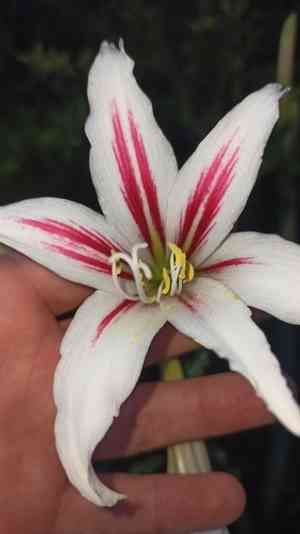
The primary method for propagating Barbados lily involves utilizing its tubers. These subterranean structures must be meticulously detached and then re-established in a growing medium that drains effectively. Providing sufficient light exposure and a steady supply of hydration will foster the robust development of nascent plants. Exercising caution when handling the tubers is crucial to prevent any harm that might impede the plant's progression. This technique enables cultivators to dependably enlarge their Barbados lily assortment or substitute mature specimens when necessary.
Optimal Time for Barbados Lily Propagation
Propagation Method
Utilize The Tubers
Propagation Period
Spring
Tools Required for Barbados Lily Propagation
Sharp knife or scalpel
Crucial for making clean cuts through barbados lily tubers. A sterilized, sharp blade ensures precise incisions, minimizing tuber damage and reducing disease transmission risk.
Rooting hormone powder
Aids in stimulating root development on the freshly cut surfaces of barbados lily tubers. Applying rooting hormone can significantly boost successful root formation and lead to healthier propagation outcomes.
Potting mix
A light, well-draining potting medium is vital for the initial planting of cut barbados lily tubers. This type of substrate ensures adequate moisture retention and air circulation, essential for new root establishment.
Pots or trays
Used to house barbados lily tubers once they are prepared for propagation. Pots or trays should offer ample space for root growth and possess good drainage to prevent waterlogging.
Labels and markers
Important for tracking propagation batches, especially when propagating multiple barbados lily tubers simultaneously. Labels assist in monitoring progress and growth stages effectively.
Post-Propagation Care for Your Barbados Lily
Post-Propagation Care for Your Barbados Lily
After propagation, keep barbados lily soil moist but not saturated. Maintain a temperature of approximately 20-25°C, with ample indirect sunlight. Fertilize every 4-6 weeks during the growing season with a balanced fertilizer to encourage strong growth. Regularly check for pests and diseases, and remove dead or yellowing leaves to maintain plant health.
Common Errors to Avoid When Propagating Barbados Lily
Overwatering
Excessive watering during barbados lily propagation can cause bulb rot. Too much moisture around the bulb creates an environment favorable for fungal infections and decay, ultimately hindering the bulb's ability to develop roots and shoots effectively.
Inadequate lighting
Placing barbados lily in areas with insufficient light during propagation can impede its growth. Barbados lily needs bright, indirect sunlight for efficient photosynthesis, which is crucial for developing strong, healthy new shoots.
Overcrowding bulbs
Planting bulbs too close together can restrict growth and limit available nutrients for each barbados lily bulb. Overcrowding may lead to resource competition, stunted growth, and increased disease susceptibility.
Advice for Propagating Barbados Lily
Adequate hydration
Ensuring the soil is consistently moist but not waterlogged is crucial for barbados lily propagation. Proper moisture levels are critical as they aid in root development without the risk of rotting.
Correct soil mix
Utilizing a well-draining soil mix enriched with organic matter is beneficial for barbados lily propagation. Such a mix ensures good aeration and nutrient availability, facilitating robust root growth.
Strategic bulb division
Carefully separating daughter bulbs from the main bulb only when they have developed a sufficient root system and are of a decent size supports successful barbados lily propagation. This method prevents stress and damage to both main and daughter bulbs.



