How to Transplant Green hellebore?
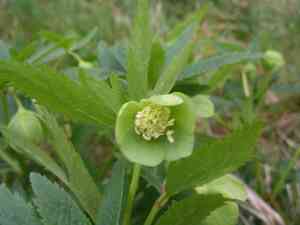
The optimal period for moving green hellebore is late spring to early summer, capitalizing on its active growth phase. Select locations offering shade and soil that drains effectively. During the transfer, handle the root system delicately to ensure strong recovery.
What Preparations are Needed Before Transplanting Green Hellebore?
What is the Ideal Time for Transplanting Green Hellebore?
The best time to move your green hellebore is from early spring to early summer. Relocating your green hellebore during this period allows its roots to establish before winter dormancy. This timing typically offers balanced weather, sufficient rain, and moderate temperatures, creating an ideal environment for green hellebore to thrive after transplant. Choosing this season will ensure your green hellebore grows vigorously and gracefully.
How Much Space Should You Leave Between Green Hellebore Plants?
When preparing a new spot for green hellebore, remember they appreciate their own space! Aim for a distance of 18-24 inches (45-60 cm) between these beautiful plants. This provides them ample room to grow without competition.
What is the Best Soil Mix for Green Hellebore Transplanting?
For green hellebore, the perfect planting medium is well-draining soil enriched with organic matter. Incorporate some well-rotted compost or a balanced slow-release fertilizer before planting to give them a strong start.
Where Should You Relocate Your Green Hellebore?
Select a location for green hellebore that offers partial shade, especially in regions with hot summers. They will flourish in cooler, filtered light. Direct midday sun can be too intense, so consider a spot with dappled sunlight.
What Equipments Should You Prepare Before Transplantation Green Hellebore?
Gardening Gloves
To safeguard your hands while handling soil and plants.
Shovel or Spade
For digging around and beneath the plant.
Garden Fork
Useful for loosening soil and detangling roots if necessary.
Watering Can or Hose
To hydrate the plant before and after the transplanting process.
Wheelbarrow or Garden Cart
For moving the plant if it is large or heavy.
Trowel
For making minor adjustments and excavating small holes.
Pruning Shears
To trim any damaged roots or foliage.
Rooting Hormone (optional)
To stimulate root development after transplanting.
Mulch
To help maintain moisture around the new planting site.
How Do You Remove Green Hellebore from the Soil?
How Do You Remove Green Hellebore from the Soil?
From Ground: Water the green hellebore thoroughly to moisten the soil. Carefully dig a wide circle around the plant with a shovel or spade, ensuring ample distance to avoid cutting into the root system. Gently work the shovel beneath the plant to lift the root ball and surrounding soil. If the plant doesn't come out easily, use a garden fork to loosen the soil at the edges.From Pot: Water the green hellebore completely, then turn the pot on its side and gently tap the sides to loosen the soil and roots. Slowly pull the plant out while supporting its base and the root ball. If the plant is stuck, you might need to cut the pot away without harming the roots.From Seedling Tray: Water the seedlings until the soil is damp, which will facilitate their removal. Use a trowel or your fingers to carefully lift each seedling from the tray, ensuring you retain as much soil around the roots as possible.
Step-by-Step Guide for Transplanting Green Hellebore
Preparation
Gather all necessary tools and ensure the new planting location for the green hellebore is ready, adhering to prior advice on spacing and soil type.
Removal
Execute the appropriate removal procedure for your green hellebore, taking care to preserve as much of the root ball as possible.
Transplant Hole
Dig a hole in the new spot that is twice as wide and the same depth as the root ball. Loosen the soil around the hole to facilitate root expansion.
Placement
Position the green hellebore in the center of the hole. The top of the root ball should be level with the surrounding soil surface to prevent water accumulation around the stem.
Fill In
Backfill the hole around the root ball with soil, gently tamping it down to eliminate any large air pockets.
Watering
Water the green hellebore generously to settle the soil and provide moisture for the roots. If using, apply rooting hormone to the root area as per product instructions.
Mulching
Apply a layer of mulch around the base of the green hellebore, keeping some distance from the stem to prevent rot.
Support (if needed)
If the green hellebore is tall or unstable, insert supports and gently tie the plant to prevent wind damage.
How Do You Care For Green Hellebore After Transplanting?
Regular Watering
Establish a watering routine that keeps the soil consistently moist but ensures good drainage to prevent waterlogging.
Observation
Periodically inspect the green hellebore for signs of stress, such as wilting or discolored leaves, and address any issues promptly.
Pruning
Trim any dead or dying foliage to help the green hellebore direct its energy towards establishing new growth.
Protection
Monitor for pests or diseases and take necessary action to maintain the health of your green hellebore.
Fertilizing
Begin fertilizing after a few weeks or as recommended for the green hellebore, to encourage new growth and flowering.
Troubleshooting Common Issues with Green Hellebore Transplantation.
When's the best time to transplant my green hellebore?
The ideal period for moving green hellebore is during late spring to early summer, ensuring a smooth transition.
How far apart should I space my green hellebore when transplanting?
Space your green hellebore approximately 18-24 inches (45-60 cm) apart to provide them ample room to thrive.
Why is my transplanted green hellebore wilting?
Wilting after transplanting may be due to shock. Ensure adequate soil moisture and avoid direct sunlight for a few days.
How deep should I dig to transplant my green hellebore?
Dig a hole that is as deep as the root ball but twice as wide to promote growth.
Can I transplant green hellebore on a hot, sunny day?
It's best to transplant green hellebore on a cloudy day or in the evening to prevent heat stress.
How much water does my green hellebore need after transplanting?
Water your green hellebore generously after transplanting, then maintain consistent moisture without saturating the soil.
What should I do if my green hellebore is not thriving after transplanting?
Check for appropriate sunlight, water, and drainage. Also, look for pests or diseases as potential causes.
Should I apply fertilizer to my green hellebore after transplanting?
Wait a few weeks before fertilizing to avoid root burn, then use a balanced slow-release fertilizer.
How do I prepare the soil before transplanting my green hellebore?
Enrich the soil with compost and ensure it's well-drained to provide the best start for your green hellebore.
My green hellebore looks droopy after a week, what's wrong?
Droopiness could indicate root distress. Make sure the soil isn't too compacted and the plant isn't planted too deeply.



