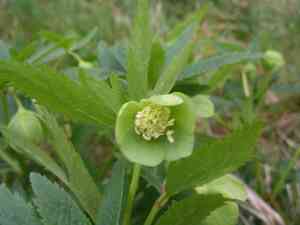
Green hellebore(Helleborus viridis)

Green hellebore (Helleborus viridis)

Also known as: Green Hellebore, Green Helleborine

Green hellebore (Helleborus viridis) is a perennial plant belonging to the buttercup family (Ranunculaceae). It is indigenous to central Europe and reaches as far west as the British Isles. This plant blooms in early spring, showcasing green, saucer-shaped flowers. Notably, all parts of green hellebore can cause skin irritation and are extremely toxic if ingested.

Attributes of Green hellebore

Lifespan
Perennial
Plant Type
Herb
Plant Height
20 cm to 60 cm
Spread
30 cm
Leaf Color
Dark Green
Flower Size
4 cm to 6 cm
Flower Color
White Yellow Green

ForwardPlant - Identify plants with a snap

Identify and diagnose plants, get toxicity alerts, and explore safety guides for all types of fungi.

Try for Free

Images of Green hellebore

Green hellebore(Helleborus viridis)

Quickly Identify Green hellebore

1
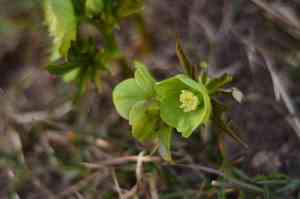
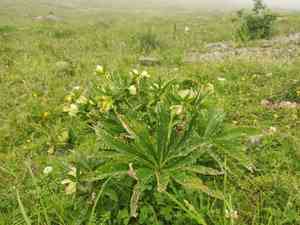
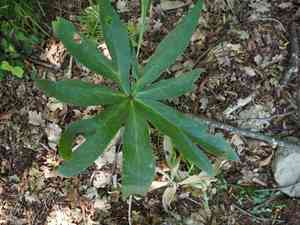
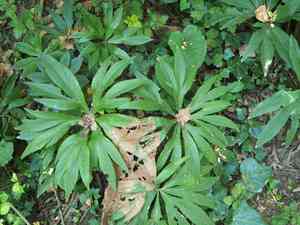
This plant can be identified by its green, sepaloid flowers which are typically present in early spring. The leaves are palmate and deeply divided into lance-shaped segments.

Scientific Classification of Green hellebore

Phylum
Vascular plants
Class
Dicotyledons
Order
Ranunculales
Family
Buttercup
Genus
Hellebores
Species
Green hellebore

Planting and Growing of Green hellebore

Care Difficulty
Easy
Watering Schedule
Every 2 days
Sunlight Requirements
Partial sun
Sunshine Duration
4-8 hours
Ideal Temperature
50-65℉
Soil Type
Potting Mix, Peat Mix
Soil pH
6.5-7.5
Fertilizer Type
Balanced
Pruning Season
Spring, Summer
Pruning Area
Branches, Leaves
Pruning Frequency
2 times a year
Repotting Season
Spring
Pot Type
Plastic, Ceramic

water icon How to Water Green hellebore?

When watering Helleborus viridis, aim for consistency. Use around 500ml of water each time, ensuring the soil is evenly moist without being waterlogged. Always water until you see a slight drainage from the bottom of the pot, but avoid letting the plant sit in water.
What are the symptoms of an underwatered Green hellebore?
What should I do if my Green hellebore is not getting enough water?
What are the symptoms of an overwatered Green hellebore?
How to save an overwatered Green hellebore?

sunlight icon What Are the Sunlight Requirements for Green hellebore?

Sunlight Requirements: Partial sun, Full shade
Duration of light: 2 to 4 hours
Helleborus viridis flourishes with partial sun conditions, receiving 2 to 4 hours of light. This balance promotes effective photosynthesis and maintains vibrant foliage and blooms without risking sun damage, enabling healthy and steady growth.
How much sunlight is ideal for Helleborus viridis?
What solution can provide this ideal light for Helleborus viridis?
What benefits arise from optimal lighting for Helleborus viridis?
More About Sunlight Requirements Techniques

temperature icon What Is the Ideal Temperature Range for Green hellebore?

Ideal Temperature: 50 ~ 65℉
Helleborus viridis thrives best in a temperature range between 50°F and 65°F. This range supports robust growth and flowering, allowing the plant to effectively photosynthesize and maintain its structural integrity. Maintaining this temperature range ensures that the plant's biological processes such as nutrient uptake and chlorophyll production are optimized.

soil icon What Soil is Best for Green hellebore?

Soil type: Loam, Sandy loam, Clay soil
Soil PH: 6.5 ~ 7.5
Helleborus viridis thrives best in well-draining soil, as this helps prevent root rot and ensures that the plant receives ample oxygen. Well-draining soil aids in maintaining an optimal moisture balance which is crucial for the healthy growth of these stunning perennials. A nutrient-rich soil is essential for Helleborus viridis as it ensures robust growth and vibrant flowers. This type of soil provides essential minerals and nutrients that help the plant build resilience against diseases and environmental stresses. Soil that retains moderate moisture is ideal for Helleborus viridis to keep it hydrated without waterlogging. This ensures that the plant can absorb water efficiently while preventing the roots from sitting in excessive moisture, which can be detrimental.

fertilize icon How to Fertilize Green hellebore?

Fertilizer type: Balanced
When fertilizing Helleborus viridis, it is crucial to apply the correct amount to avoid nutrient imbalance. Use a balanced liquid fertilizer diluted to half strength, around 10-10-10 NPK or similar, and apply approximately 500 ml per plant. For slow-release granules, apply a small handful, roughly 1-2 tablespoons, around the base of the plant. This quantity supports healthy growth and blooms without overwhelming the plant with excess nutrients.

prune icon How to Prune Green hellebore?

Pruning Time: Spring, Summer
Begin by inspecting the plant for any leaves that appear brown, wilted, or diseased. Remove these by cutting them back to the base, which encourages the growth of new, healthy foliage. After the blooming period, usually in late spring, you should trim away the old flower stalks. This prevents the plant from wasting energy on seed production, directing it instead to the formation of new flowers and leaves. For aesthetic purposes, lightly prune the plant to shape it, removing any straggly or awkwardly positioned stems. This helps maintain a bushy and well-rounded appearance, enhancing garden aesthetics. More About Pruning Techniques

propagate icon How to Propagate Green hellebore plant?

Propagate Time: Early spring, Late winter
1
For seed propagation, start by filling your seed tray or pots with a well-draining seed-starting mix. Sow the seeds lightly on the surface and cover them with a thin layer of soil. Water gently and place them in a cold frame or a sheltered outdoor spot to germinate.
2
When using division propagation, choose a healthy and mature Helleborus viridis plant. Water it thoroughly a day before division to ensure the roots are hydrated. Carefully dig up the plant with a garden fork, trying to retain as much of the root system as possible.
3
Once the plant is removed from the soil, use a sharp knife or spade to divide it into smaller sections. Each section should contain at least one bud and a good amount of roots. Replant each section immediately into a prepared spot or pot.
More About Propagating Techniques

repot icon How to Repot Green hellebore plant?

Repotting frequency: Every 2-3 years
1
Helleborus viridis should be repotted when you notice the roots are bound or growing through the pot's drainage holes. It's also a good time when growth slows, which indicates the plant may be experiencing root congestion.
2
Select a pot that's slightly larger than the current one, ideally 2 inches wider. This allows room for growth without an overwhelming amount of extra soil, which can retain too much moisture and lead to root rot.
3
Use a soil mix that retains moisture yet drains well. A composition rich in organic matter like compost, mixed with sand or perlite, ensures the roots receive adequate moisture without waterlogging.

ForwardPlant - Identify plants with a snap

Find the best spots for them to optimize their health, simply using your phone.

Try for Free

Toxicity of Green hellebore

Is Green hellebore toxic to humans?

Green hellebore exhibits a moderate degree of toxicity to humans, with every part of the plant presenting a danger if ingested. The primary factor contributing to its toxic properties is the presence of cardiac glycosides. When consumed, these compounds can substantially impact the cardiovascular system. Symptoms associated with poisoning from green hellebore are particularly severe and may encompass various cardiac abnormalities such as bradycardia or tachycardia, along with gastrointestinal distress manifested as nausea, vomiting, and diarrhea. Additionally, neurological symptoms may arise, including dizziness and confusion. Given the widespread toxicity of this plant, accidental ingestion poses a significant risk, and individuals must exercise caution to prevent consuming any portion of green hellebore.

Is Green hellebore toxic to cat?

Green hellebore is moderately toxic to cats. If a cat accidentally consumes any part of this plant, the cardiac glycosides present can result in poisoning. Following ingestion, a cat may show signs of physical distress, potentially signaling poisoning. Since every part of green hellebore is toxic, it is vital for pet owners to ensure that these plants are kept out of their pets’ reach to avoid accidental consumption. If a cat displays any symptoms of illness after encountering green hellebore, it is crucial to seek immediate veterinary assistance to ensure timely and appropriate treatment.

Is Green hellebore toxic to dog?

The plant species known as green hellebore is recognized as having a moderate level of toxicity for dogs. If canines consume any part of this plant, they may be poisoned, as every part of the green hellebore is toxic. Dogs that ingest this plant may show a variety of symptoms that suggest poisoning. These symptoms could range from gastrointestinal disturbances, such as vomiting and diarrhea, to more severe issues like heart complications due to the presence of cardiac glycosides. Should a dog ingest green hellebore, it is crucial for pet owners to obtain immediate veterinary assistance to ensure the best possible outcome for their furry companion.

Identify toxic plants for your safety

Learn which plants are harmful to you and your pets, and make informed choices for a safer home!

Try for Free
WARNING
The judgment on toxicity and danger is for reference only. We DO NOT GUARANTEE any accuracy of such judgment. Therefore, you SHALL NOT rely on such judgment. It is IMPORTANT TO SEEK PROFESSIONAL ADVICE in advance when necessary.
More About Toxic Techniques