How to Prune Green hellebore?
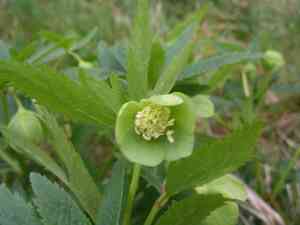
This enduring herbaceous species, recognized for its initial spring blossoms and robust, deep green foliage, thrives with careful upkeep. For green hellebore, detach spent or lifeless blooms to stimulate fresh development and uphold a neat look. Trimming should occur post-flowering from spring to early summer and can extend into autumn to excise ailing or compromised leaves. Refrain from extensive cutting to safeguard the plant's inherent form. Pruning boosts vitality, fosters robust foliage, and hinders seed dispersal.
What Are the Benefits of Pruning Green Hellebore?
What Are the Benefits of Pruning Green Hellebore?
Trimming green hellebore promotes robust new development and maintains its desired form. Strategic cuts can enhance the plant's vitality and visual appeal, preventing it from becoming overgrown.
What Is the Best Time for Pruning Green Hellebore?
What Is the Best Time for Pruning Green Hellebore?
The optimal period for trimming green hellebore is late winter to early spring, prior to the emergence of new growth. During this phase, the plant is dormant, which minimizes stress and facilitates healthier regrowth. Pruning at this time also helps eliminate old, dead foliage that may have been damaged over winter, making way for new growth and often improving the flower display. Avoid pruning in late summer or fall, as this can stimulate new growth that may not harden off before cold weather, increasing vulnerability to winter damage.
What Tools Do I Need to Prune Green Hellebore?
Bypass Pruners
These are perfect for making clean cuts on the living stems of green hellebore. Their design allows for precise trimming, minimizing harm to the plant's tissues.
Gloves
Protective gloves are crucial for handling green hellebore, as certain parts of the plant may cause skin irritation. Additionally, gloves shield hands from sharp edges.
Garden Scissors
For trimming smaller or more delicate parts of green hellebore, such as seed pods or dead foliage, garden scissors provide superior control.
Pruning Saw
If green hellebore has matured and developed larger, woodier stems, a pruning saw might be necessary for more substantial cuts without damaging the stems.
How to Prune Green Hellebore
Disinfect Tools
Before trimming green hellebore, always sanitize your pruning shears or scissors to prevent disease spread. Use a solution of 1 part bleach to 9 parts water or a commercial disinfectant.
Remove Diseased Leaves
Carefully inspect green hellebore for diseased leaves, identified by unusual spots or discoloration. Use your disinfected shears to trim these leaves at the base where they meet the stem or main branch.
Trim Withered Leaves
Identify any withered leaves on green hellebore, which may appear dried out or brown. Cut these leaves at their base, similar to diseased leaves, to promote healthy growth and improve air circulation.
Cut Dead Branches
Locate dead branches on green hellebore that show no signs of green growth. Using your disinfected shears, cut these branches as close to the ground as possible to redirect the plant's energy to healthy stems.
Prune Diseased Branches
Search for branches of green hellebore showing signs of disease, such as unusual growths, mold, or discoloration. Cut back the diseased branches to a healthy section, well below any signs of infection. Make clean cuts to aid in the plant's healing process.
Common Pruning Mistakes with Green Hellebore
Cutting Healthy Tissue
Avoid cutting into the healthy tissue of green hellebore, as it can reduce the plant's vigor. Focus on removing only the dead or damaged parts.
Over Pruning
Resist the temptation to over prune green hellebore. Removing too much foliage can stress the plant and inhibit its growth and blooming potential.
Ignoring Diseased Material
Failing to properly dispose of diseased or dead plant material can lead to the spread of disease. Always remove and discard it away from healthy plants.
Using Dull Tools
Utilizing dull pruning tools can result in jagged cuts that heal poorly and make green hellebore more susceptible to pests and diseases.
Neglecting Hygiene
Not cleaning tools before and after pruning green hellebore can spread pathogens between plants. Clean your tools with a disinfectant to prevent this.
Common Pruning Tips for Green Hellebore
Selective Removal
Carefully select the foliage and stems that are dead, yellowing, or diseased for removal to enhance green hellebore's overall health.
Gentle Approach
Use a gentle hand when pruning green hellebore to avoid damage to the plant's structure and to encourage a more natural shape.
Proper Tool Selection
Choose appropriate pruning tools, like bypass pruners or shears, to make clean cuts on green hellebore without crushing stem tissues.
Incremental Pruning
Approach the pruning process incrementally to avoid removing too much at once. Assess the plant's appearance after each cut.
Periodic Assessment
Periodically assess the plant after each growing season, to determine if and when pruning is necessary, tailoring to green hellebore's specific growth pattern.



