Enhancing Your Garden Design with the Green hellebore Plant: A Landscaping Guide
1
Green hellebore provides continuous appeal to your garden due to its persistent green leaves.
2
Green hellebore flourishes in areas with partial to complete shade, perfect for dim garden locations.
3
Routine care for Green hellebore involves removing spent foliage and monitoring for unwanted insects.
Exploring the Visual Charm of Green Hellebore
Appearance: Hue and Structure
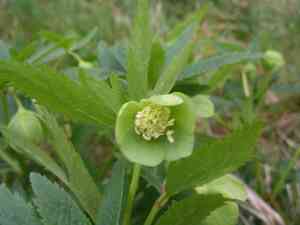
A notable characteristic of Green hellebore is its captivating look. It features brilliant green blossoms that provide a striking contrast to its dark green, tough leaves. These flowers not only add brightness but also a distinct texture to your garden. The plant's foliage stays lush and vibrant all year, offering continuous color even during the bleak winter months. The shape of Green hellebore is quite unique as well, with its clumping growth habit making it ideal for ground cover or as a focal point in garden beds.
Seasonal transformations and their aesthetic impact
Green hellebore exhibits a dynamic visual change as seasons progress. From late winter to early spring, its fresh green flowers emerge when few other plants are blooming, providing a much-needed burst of color and cheer. As the year advances, these flowers might shift through shades of green and even develop hints of purple or brown, increasing its visual appeal. Its evergreen leaves ensure that even after the blooms fade, the plant maintains its role as a verdant anchor in your garden's aesthetic.
Integrating Green Hellebore into Your Landscape Design
Selecting the optimal site for Green hellebore
Finding the ideal spot for Green hellebore in your garden is vital for its development and visual effect. This plant prefers areas that offer partial to full shade, making it an excellent option for those dim spots where other plants might struggle. Well-drained yet moisture-retentive soil will allow Green hellebore to flourish. Consider placing it near the base of larger trees or in sheltered garden corners where its delicate blooms and evergreen leaves can be enjoyed without enduring harsh conditions.
Companion plants and design concepts
To maximize Green hellebore's visual appeal, combine it with other shade-loving plants that complement its vibrant green foliage. Ferns and hostas, for example, make excellent companions with their varied textures and broad leaf structures. Use Green hellebore to create layers within your garden design by positioning it in front of taller background plants or as an underplanting beneath shrubs. Whether you're designing a woodland garden or a shaded border, Green hellebore can serve as a versatile element that enhances overall harmony and visual flow.
Preserving the Aesthetic Quality of Green Hellebore in Your Garden
Seasonal care recommendations
Maintaining Green hellebore is relatively simple, but consistent attention will ensure its health and beauty. In early spring, remove any dead or damaged leaves to give new growth the necessary space and resources. Mulching around the base can help retain moisture and regulate soil temperature. During dry periods, additional watering may be required to keep the plant hydrated. Fertilize in early spring with a balanced, slow-release fertilizer to encourage vigorous growth and flowering.
Common problems and solutions
Green hellebore is generally hardy but may occasionally encounter issues such as pests or diseases. Aphids and slugs can be problematic; regular checks and appropriate treatments like neem oil or slug bait can help manage these pests. Yellowing leaves might indicate excessive sun exposure or poor drainage. Adjusting the plant's location or improving soil conditions can alleviate these issues. Furthermore, keeping the area free of debris and dead foliage will minimize the risk of fungal infections.



