The Green hellebore Plant Advantage: Maximizing Home and Office Appeal and Wellness
1
Green hellebore provides distinct environmental advantages, improving soil health.
2
Its aesthetic value makes this plant a prized addition to gardens.
3
Green hellebore requires minimal care, perfect for gardeners with limited time.
Why Cultivate Green Hellebore?
Aesthetic Appeal
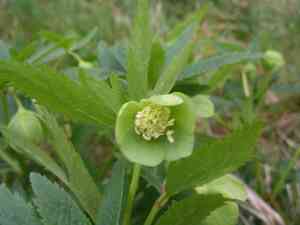
Green hellebore is prized for its striking green blossoms and abundant, evergreen foliage. These characteristics make it a prominent feature in any garden, adding visual interest and a distinct texture. Its flowers emerge in early spring or late winter, providing a burst of color when most other plants are dormant. Its evergreen nature ensures your garden remains vibrant year-round, offering a constant green backdrop. Furthermore, Green hellebore can be utilized to form attractive ground cover, filling spaces between other plants and enhancing garden depth. Its resilience allows it to endure various weather conditions, ensuring it remains a steadfast element of your garden's beauty.
Environmental Advantages
Green hellebore plays a vital role in fostering soil health. Its dense root system helps prevent soil erosion by binding soil particles together. This feature is especially beneficial on sloped areas or in regions prone to heavy rainfall, where soil erosion is a significant concern. Moreover, the plant contributes to soil fertility. As Green hellebore grows, it introduces organic material into the soil, which improves soil structure and nutrient content. This organic matter acts as a natural fertilizer, enhancing soil health and encouraging the growth of nearby plants.
What Are the Cultivation Needs for Green Hellebore?
Soil and Light Preferences
Green hellebore thrives in well-drained soil rich in organic matter. While it can tolerate various soil types, the plant performs best in loamy soil with good drainage. Amending your soil with compost or other organic materials can boost the plant's growth and overall vitality. Regarding light, Green hellebore adapts well to both full sun and partial shade. However, in particularly hot climates, some afternoon shade can help prevent scorching and maintain its vibrant green hue. This adaptability makes Green hellebore a versatile addition to diverse garden types, from sunny flower beds to shaded woodland gardens.
Watering and Upkeep
Green hellebore is a low-maintenance plant, requiring minimal watering once established. During the first year after planting, it's crucial to keep the soil consistently moist to aid root establishment. Afterward, the plant is relatively drought-tolerant and needs only occasional watering during extended dry periods. Maintenance tasks for Green hellebore are straightforward. Regularly removing any dead or damaged foliage keeps the plant looking its best and promotes healthy growth. Additionally, applying a layer of mulch around the plant's base can help retain soil moisture and suppress weeds.
How Does Green Hellebore Benefit Wildlife?
Habitat and Food Source
Green hellebore offers a valuable habitat and food source for various wildlife species. Its flowers attract pollinators like bees and other insects, which are crucial for maintaining ecosystem health. Pollinators are essential for the reproduction of many plants, and having Green hellebore in your garden can support these beneficial creatures. Furthermore, the dense foliage of Green hellebore provides shelter and nesting sites for small animals and insects. Creating a habitat for these creatures can enhance biodiversity in your garden, promoting a balanced and healthy ecosystem.
Pest Repellent
Green hellebore possesses natural pest-deterring properties, making it a valuable asset in Integrated Pest Management (IPM) strategies. The plant produces compounds that are unpalatable to many common garden pests, reducing the likelihood of infestations and minimizing the need for chemical pesticides. By planting Green hellebore, you can contribute to a healthier, more sustainable garden environment.



