How Much Sunlight Do Green hellebore Need?
1
Green hellebore flourishes optimally in dappled lightâpreferably 3-6 hours of daily sun exposure.
2
Steer clear of intense midday sun to avert leaf burn and strain.
3
Appropriate light conditions promote blooming and strengthen immunity against ailments.
Optimal Light Conditions for Green hellebore
Partial Shade Requirements
The Green hellebore thrives best in partial shade. This typically means it should receive approximately 3-6 hours of daily sunlight. Providing your Green hellebore with partial shade mimics its natural woodland environment, where it flourishes under the dappled light beneath tree canopies. This condition supports vigorous development without exposing the plant to excessive sun's harsh effects.
Morning Sun, Afternoon Shade
One of the most effective ways to ensure your Green hellebore gets appropriate sunlight is by placing it where it receives morning sun and afternoon shade. Morning light is less intense and provides the necessary illumination for photosynthesis without the risk of overheating or leaf damage. If you can plant your Green hellebore in an east-facing spot, it will benefit from gentle morning rays, promoting healthy growth.
Avoiding Direct Afternoon Sun
Direct afternoon sun can be harmful to the Green hellebore. The intense heat of midday sun can scorch leaves and cause wilting or other stress symptoms. To protect your plant, ensure it is shielded from the day's strongest sunlight. This can be achieved by planting it in a location that naturally provides afternoon shade or by creating artificial shade with structures or shade cloths.
Why is Light Essential for Green hellebore?
Photosynthesis Process
Sunlight is vital for the Green hellebore as it powers photosynthesis, where plants convert light energy into chemical energy. This process is fundamental for the plant's survival, producing the sugars and oxygen needed for its growth and energy. Without sufficient light, photosynthesis can slow, leading to less robust growth and a potentially unhealthy plant.
Growth and Flowering
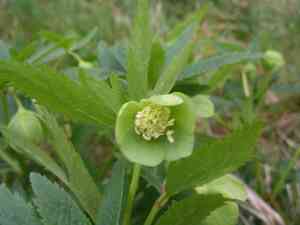
Proper light exposure is not only about sustaining photosynthesis but also about encouraging optimal growth and blooming. For the Green hellebore, receiving the correct amount of light enhances its lush foliage and supports the development of its distinct green flowers, which can be a garden highlight. Balanced light exposure can result in a fuller, more attractive plant.
Light and Disease Resistance
Sunlight also contributes to strengthening the Green hellebore's disease resistance. Adequate light helps the plant maintain strong health, making it less vulnerable to common pests and illnesses. A healthy, well-lit plant can effectively use its natural defenses to ward off pathogens and pests that might otherwise exploit a weaker plant.
How to Identify If Green hellebore is Getting Too Much or Too Little Light
Signs of Excess Light
If your Green hellebore is receiving too much sunlight, you might observe signs like leaf scorching or browning, wilting, or an overall stressed appearance. These symptoms indicate the plant is under strain from excessive light and possibly heat, which can lead to long-term damage if not promptly addressed by providing more shade.
Signs of Insufficient Light
Conversely, insufficient sunlight can cause the Green hellebore to become leggy or elongated as it stretches for more light. The foliage might be sparse, and the plant may show slow growth and fewer blooms. These are clear indicators that the plant requires more light to thrive.
Adjusting Light Exposure
To ensure your Green hellebore receives the right amount of sunlight, it's crucial to adjust its position based on these indicators. If it's getting too much sun, consider moving it to a shadier spot or providing artificial shade. Conversely, if it's not getting enough light, try relocating it to a brighter area where it can still avoid harsh afternoon sun.
Tips for Providing Optimal Light to Green hellebore
Choosing the Right Planting Location
Selecting the appropriate site is crucial for providing optimal sunlight. Look for a spot that naturally offers morning sun and afternoon shade. East-facing gardens are ideal as they provide gentle morning light. Ensuring the plant's location matches its light needs can significantly impact its health and development.
Using Shade Cloths or Structures
Employing shade cloths or building simple shade structures can help manage the amount of sunlight your Green hellebore receives. These tools are especially useful in areas with intense sun exposure. Shade cloths can filter sunlight, providing the right balance of light and protection, particularly during scorching afternoons.
Seasonal Light Adjustments
Finally, it's important to adjust your Green hellebore's light exposure throughout different seasons. During intense summer months, additional shade may be necessary, while in cooler months, ensuring adequate light is available becomes crucial. Being attentive to these seasonal changes helps your plant adapt and flourish year-round.



