How to Transplant Dwarf jamaican heliconia?
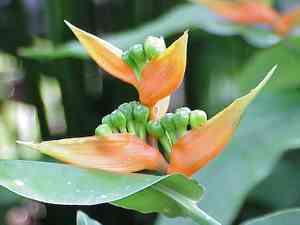
For dwarf jamaican heliconia, the renewal of early to mid-spring offers ideal circumstances for relocation, guaranteeing prime root development in a brightly lit, protected spot. Careful manipulation safeguards vital roots, promoting recovery after transplanting.
Essential Preparations Before Relocating Dwarf Jamaican Heliconia?
Optimal Period for Relocating Dwarf Jamaican Heliconia?
The beginning of spring, specifically from early to mid-season, marks the prime window for relocating dwarf jamaican heliconia. During this time, moderate temperatures and increasing daylight create a favorable environment that promotes root establishment. Moving dwarf jamaican heliconia within this period leverages the plant's natural growth cycle, providing it with the best start in its new spot. Furthermore, soil moisture and workability are typically ideal, ensuring your dwarf jamaican heliconia can flourish from the outset.
Required Spacing Between Dwarf Jamaican Heliconia Plants?
Firstly, ensure you space your dwarf jamaican heliconia plants 2-3 feet (60-90 cm) apart. This provides ample room for growth, guaranteeing sufficient nutrients and water. And remember, every gardener gains this knowledge over time!
Ideal Soil Mixture for Dwarf Jamaican Heliconia Relocation?
Here's a tip for your dwarf jamaican heliconia - they thrive in well-drained soil. Consider using a sandy loam base, and incorporate some organic compost for added nutrients. A slow-release, all-purpose fertilizer can also greatly benefit your plant!
Optimal Location for Your Dwarf Jamaican Heliconia?
Finally, select a site for your dwarf jamaican heliconia where it receives ample bright but indirect sunlight - early morning or late afternoon sun is preferable. They aren't fond of intense sun, so avoid areas with harsh midday exposure. Best of luck!
Necessary Equipment Before Relocating Dwarf Jamaican Heliconia?
Gardening Gloves
To safeguard your hands while handling soil and the plant.
Shovel or Spade
Useful for excavating the plant from its current spot and preparing the new planting area.
Garden Trowel
A smaller implement for more precise digging, particularly helpful when extracting the plant from a container.
Pruning Shears
Essential if the dwarf jamaican heliconia requires trimming prior to relocation.
Garden Hose or Watering Can
For hydrating the plant before and after relocation.
Hand Rake
Beneficial for loosening the soil in the new planting location.
Wheelbarrow
Handy for transporting the plant, its root ball, and soil from one place to another.
How to Extract Dwarf Jamaican Heliconia from the Soil?
How to Extract Dwarf Jamaican Heliconia from the Soil?
From Ground: First, put on your gardening gloves and water the dwarf jamaican heliconia plant to moisten the soil around its roots. Using a Spade or Shovel, dig a wide circle around the plant, approximately six inches from its stem, to keep the root ball intact. Carefully slide the shovel or spade beneath the root ball and gently lift the plant from its original position.From Pot: Water the dwarf jamaican heliconia and carefully tilt the pot sideways, easing the plant out while gently supporting the root ball. If the plant doesn't release easily, you might need to tap the pot's sides and bottom to loosen the soil and roots.From Seedling Tray: Ensure the seedlings are well-watered before relocating. Use a garden trowel to carefully scoop out each dwarf jamaican heliconia seedling, supporting the root ball to minimize root disturbance.
Step-by-Step Guide for Relocating Dwarf Jamaican Heliconia
Preparation
Begin by preparing the new planting site. Dig a hole using your shovel or spade. The hole should be twice the width of your dwarf jamaican heliconia's root ball and the same depth as it was in its initial location. Loosen the soil in the hole with the hand rake.
Placement
Position your dwarf jamaican heliconia in the center of the hole. Ensure it is not planted deeper than it was in its original spot. The top of the root ball should be level with or slightly above the surrounding soil.
Backfilling
Fill the hole with soil, gently firming it around the plant's base. Confirm there are no air pockets around the roots.
Watering
Thoroughly water the dwarf jamaican heliconia after planting. Do this slowly to ensure the water is fully absorbed and doesn't merely run off the surface.
Mulching
Apply a layer of mulch around the plant's base, keeping it away from the stem to prevent rot.
Post-Relocation Care for Dwarf Jamaican Heliconia?
Watering
Maintain consistent soil moisture, but avoid overwatering, which can lead to root rot. Check the soil regularly and water when the top inch feels dry.
Pruning
During the initial growing season, dwarf jamaican heliconia will prioritize root establishment. If the plant appears to be expending too much energy on flowering, lightly prune it to redirect energy towards root growth.
Monitoring
Observe for signs of stress such as wilting, discoloration, or slowed growth. Such indicators might suggest the dwarf jamaican heliconia requires additional attention or environmental adjustments.
Protection
As a tropical plant, dwarf jamaican heliconia may need protection from cold weather. If temperatures drop, consider covering the plant or providing a heat source.
Resolving Common Issues with Dwarf Jamaican Heliconia Relocation.
When is the ideal time to relocate dwarf jamaican heliconia?
The optimal period to relocate dwarf jamaican heliconia is between early to mid-year. This timing allows the plant a full season to establish before winter.
How do I prepare the new site for dwarf jamaican heliconia relocation?
Select a sunny location! Dig a hole that is twice as wide and as deep as the root ball. Amend the soil with organic matter to enhance drainage and fertility.
What is the correct spacing between dwarf jamaican heliconia plants when relocating?
When relocating dwarf jamaican heliconia, maintain adequate distance between each plant. Ideally, they should be spaced approximately 2-3 feet (0.6-0.9 meters) apart. This ensures optimal growth.
How deep should I plant dwarf jamaican heliconia when relocating?
When relocating dwarf jamaican heliconia, ensure the top of the root ball remains level with or slightly above the surrounding soil. Planting too deeply can lead to root diseases.
How should I water dwarf jamaican heliconia after relocating?
After relocating dwarf jamaican heliconia, water the plant generously to aid its establishment in the new location. However, avoid waterlogging, which can hinder growth and promote disease.
What's the proper method to handle dwarf jamaican heliconia's root ball during relocation?
Always handle dwarf jamaican heliconia's root ball gently to minimize stress and damage. Loosen the roots slightly before placing it in the hole. This encourages outward growth.
Why is my relocated dwarf jamaican heliconia wilting?
Wilting immediately after relocation is common for dwarf jamaican heliconia. It's a clear sign of transplant shock. Consistent watering and shade can aid its recovery.
How to manage pests after relocating dwarf jamaican heliconia?
After relocating dwarf jamaican heliconia, regularly inspect for pests. Use eco-friendly pesticides if necessary. Healthy plants typically exhibit better resistance to pests and diseases.
What type of care does dwarf jamaican heliconia need post-relocation?
After relocation, dwarf jamaican heliconia initially requires frequent irrigation to establish roots. Gradually reduce the frequency, but increase the water quantity to encourage deep rooting.
Is it necessary to fertilize dwarf jamaican heliconia after relocating?
Yes, approximately one month after relocating dwarf jamaican heliconia, begin applying a balanced, slow-release fertilizer. This helps stimulate healthy and vigorous growth.



