The Dwarf jamaican heliconia Plant Advantage: Maximizing Home and Office Appeal and Wellness
1
The dwarf Jamaican heliconia is an attractive plant that improves the look of gardens.
2
It draws in beneficial insects such as hummingbirds and butterflies.
3
Simple to cultivate and care for, ideal for warm, humid regions.
What Makes Dwarf Jamaican Heliconia Unique?
Vivid Appearance
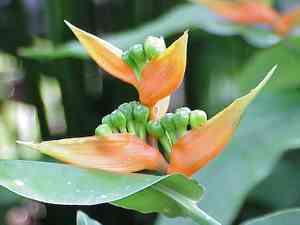
Dwarf Jamaican heliconia is celebrated for its bright and colorful bracts, often mistaken for actual flowers. These bracts display hues from red to orange, and even golden yellow, making them a stunning addition to any garden setting.
Attracts Pollinators
A key characteristic of Dwarf Jamaican heliconia is its capacity to draw in pollinators like hummingbirds and butterflies. This not only boosts your garden's visual charm but also supports the local ecosystem by fostering biodiversity. Pollinators are vital for the reproduction of many plant species, and by inviting them, you contribute to a healthier, more vibrant environment.
Practical Advantages of Cultivating Dwarf Jamaican Heliconia
Effortless Upkeep
Dwarf Jamaican heliconia is relatively simple to grow, making it an excellent option for both new and experienced gardeners. Once established, it requires minimal attention, flourishing in tropical and subtropical climates with well-draining soil and partial shade.
Erosion Prevention
Beyond its beauty, Dwarf Jamaican heliconia can also serve a practical purpose in your garden. Its dense root system aids in preventing soil erosion, making it an ideal choice for slopes and areas prone to water runoff. This not only safeguards the soil but also maintains the overall health of your garden.
Effective Cultivation of Dwarf Jamaican Heliconia
Optimal Growing Conditions
To ensure Dwarf Jamaican heliconia thrives, providing the correct growing conditions is crucial. This plant prefers partial shade and well-draining, fertile soil. Consistent watering is necessary, especially during dry periods, but be cautious not to overwater as this can lead to root rot.
Propagation Methods
Dwarf Jamaican heliconia can be propagated through division, making it easy to expand your collection or share with friends and family. Simply separate the rhizomes during the plant's dormant phase and replant them in suitable soil conditions. This technique ensures your plants remain robust and healthy.
Enhancing Garden Aesthetics with Dwarf Jamaican Heliconia
Pairing with Other Plants
Dwarf Jamaican heliconia complements a variety of other plants, especially those that thrive in similar conditions. Consider pairing it with ferns, hostas, or other tropical foliage to create a lush, diverse garden environment. The contrast in colors and textures will significantly elevate your garden's visual appeal.
Creative Landscape Concepts
Utilize Dwarf Jamaican heliconia as a central feature in your garden or as a border plant to define paths and garden beds. Its striking appearance makes it an eye-catching element, whether planted in groups or as individual specimens. Additionally, think about incorporating water features or garden sculptures to enhance the tropical ambiance created by Dwarf Jamaican heliconia.
Environmental Benefits of Dwarf Jamaican Heliconia
Supporting Biodiversity
By introducing Dwarf Jamaican heliconia to your garden, you actively contribute to local biodiversity. This plant provides habitat and a food source for various beneficial insects and birds, fostering a balanced and flourishing ecosystem.
Air Quality Improvement
Dwarf Jamaican heliconia also aids in enhancing air quality by absorbing pollutants and releasing oxygen. This makes it a valuable addition to any garden, not just for its beauty but also for its capacity to create a healthier environment around your home.



