How to Prune Dwarf jamaican heliconia?
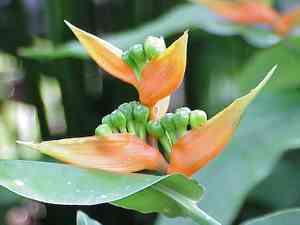
A tropical evergreen valued for its abundant leaves and vivid blossoms, dwarf jamaican heliconia flourishes with consistent trimming to preserve its form and stimulate flowering. Throughout the year, remove any withered or injured foliage and faded flower stems. Choose to make cuts after blooming to foster fresh development. Routine removal of older stalks also aids in revitalization. This managed pruning guarantees a dense structure and elevates the plant's aesthetic charm, simultaneously averting excessive growth and potential issues with pests.
What Are the Benefits of Pruning Dwarf Jamaican Heliconia?
What Are the Benefits of Pruning Dwarf Jamaican Heliconia?
Trimming dwarf jamaican heliconia promotes abundant flowering, stimulates vigorous development, and maintains its desired shape. This targeted cutting can lead to a more vibrant and structured appearance, enhancing the plant's decorative appeal.
What Is the Best Time for Pruning Dwarf Jamaican Heliconia?
What Is the Best Time for Pruning Dwarf Jamaican Heliconia?
Pruning dwarf jamaican heliconia from late winter to early spring is ideal as the plant is typically finishing its dormant phase and before intense growth begins. This timing allows dwarf jamaican heliconia to recover quickly and direct its energy into new growth, including the production of its vivid flowers. It also helps avoid stressing the plant during hot, dry periods or when it might be susceptible to frost damage. Pruning at this time can shape the plant, manage its size, and encourage a more robust blooming period.
What Tools Do I Need to Prune Dwarf Jamaican Heliconia?
Sharp Bypass Pruners
Perfect for cutting through dwarf jamaican heliconia's stems, which are generally under 1/2 inch in diameter. They create clean cuts that heal faster.
Long-Handled Loppers
Useful for reaching into dense clusters of dwarf jamaican heliconia without causing unnecessary harm to surrounding stems or blooms.
Gardening Gloves
Protects the gardener's hands from dwarf jamaican heliconia's potentially sharp edges and reduces the risk of skin irritation or injury.
Pruning Saw
Suitable for older, woodier stems of dwarf jamaican heliconia that may have grown thicker than the recommended capacity for hand pruners.
How to Prune Dwarf Jamaican Heliconia
Sterilize tools
Before beginning, sanitize all pruning tools to prevent the spread of disease to or from dwarf jamaican heliconia. You can do this using rubbing alcohol or a solution of one part bleach to nine parts water.
Remove diseased materials
Carefully cut away any diseased leaves and branches from dwarf jamaican heliconia, ensuring complete removal to prevent infection spread. Make clean cuts close to the main stem but avoid cutting into it.
Trim withered elements
Trim off withered leaves and remove any faded flowers. These parts are no longer beneficial to dwarf jamaican heliconia and can be pruned back to where fresh growth is visible.
Eliminate dead branches
Identify and cut out dead branches, which are recognizable by their brittle texture and lack of green color. Cut these branches at the point where they meet healthy wood, using a sharp, clean tool.
Clean up
After pruning, clear away all cuttings and debris from around dwarf jamaican heliconia to improve air circulation and reduce the potential for diseases and pests. Dispose of the removed plant material, especially if diseased, away from healthy plants.
Common Pruning Mistakes with Dwarf Jamaican Heliconia
Overpruning
Removing too much foliage or too many stems at once can stress dwarf jamaican heliconia, hindering its growth and flowering capability.
Improper cut locations
Cutting too close to the stem or too far from the nodes can cause damage to dwarf jamaican heliconia and may invite disease or pests.
Using dull tools
Dull pruning shears can crush stems and leaves, leading to ragged cuts that make dwarf jamaican heliconia susceptible to infections.
Pruning active growth
Trimming dwarf jamaican heliconia during periods of active growth can interrupt its natural development and flowering rhythm.
Neglecting tool hygiene
Not sterilizing pruning tools before use risks spreading diseases from plant to plant.
Common Pruning Tips for Dwarf Jamaican Heliconia
Selective pruning
Carefully choose which stems to prune, aiming to remove only those that are old, damaged, or diseased to promote healthy growth in dwarf jamaican heliconia.
Clean cuts
Make clean, angled cuts just above leaf nodes to encourage new growth and facilitate quick healing for dwarf jamaican heliconia.
Tool maintenance
Dwarf jamaican heliconia benefits from tools that are sharp and clean. Regular maintenance ensures precise cuts that limit damage to the plant.
Post-bloom pruning
After dwarf jamaican heliconia has flowered, prune selectively to remove spent blooms and encourage further flowering cycles.
Gradual pruning
For dwarf jamaican heliconia, it is better to prune gradually over time rather than all at once to maintain plant health and vigor.



