How Much Sunlight Do Dwarf jamaican heliconia Need?
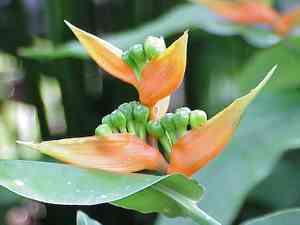
1
Dwarf Jamaican Heliconia flourishes in partial sun, preferably 3-6 hours each day.
2
Too much direct sun exposure can burn the foliage of Dwarf Jamaican Heliconia.
3
Employing a shade cloth can shield your Dwarf Jamaican Heliconia from strong midday light.
Optimal Light Conditions for Dwarf Jamaican Heliconia
Best Sun Exposure
For robust development, Dwarf Jamaican Heliconia thrives in partial sunlight, needing approximately 3-6 hours daily. It flourishes most with morning sun, which is less harsh and provides vital energy for photosynthesis. However, it benefits from shade during the day's hottest period to prevent damage from intense rays.
When is Light Excessive?
While light is crucial, an overabundance can be harmful. If Dwarf Jamaican Heliconia is exposed to direct, strong sunlight for prolonged periods, it may suffer from leaf burn and dehydration. Ideally, avoid placing the plant where it will endure harsh afternoon sun, as this can scorch leaves and impede overall plant vitality.
Factors Influencing Light Intensity
Several elements can impact the light intensity your Dwarf Jamaican Heliconia receives, including the time of year, its placement, and nearby structures. Trees, walls, and other plants can offer natural shade, reducing light strength. Remember that seasonal changes alter the sun's angle and intensity, affecting the amount of light your plant gets.
Adapting Sunlight for Dwarf Jamaican Heliconia
Seasonal Light Adjustments
The amount of sunlight Dwarf Jamaican Heliconia requires can fluctuate with the seasons. During summer, the sun is more potent, and you might need to provide additional shade. Conversely, in winter, the sun's rays are gentler, and the plant may benefit from longer exposure to naturally filtered light. Relocating your plant or using supplementary lighting can help accommodate these seasonal shifts.
Utilizing Shade for Plant Protection
Providing shade for your Dwarf Jamaican Heliconia is vital during peak sun hours, especially in summer. You can employ a shade cloth, garden umbrellas, or strategically position your plant under a tree or an overhang to lessen direct exposure. This helps prevent leaf scorching and ensures your plant receives consistent, gentle light throughout the day.
Indoor Lighting Solutions for Dwarf Jamaican Heliconia
If cultivating Dwarf Jamaican Heliconia indoors, replicating its natural light conditions is essential. Place the plant near an east or west-facing window to ensure it gets a blend of direct and indirect light. If natural light is insufficient, consider using grow lights. Opt for full-spectrum LED lights that mimic the sunâs natural spectrum, providing a balanced light environment for your plantâs development.
Common Sunlight Issues and Remedies for Dwarf Jamaican Heliconia
Indicators of Insufficient Sunlight
Dwarf Jamaican Heliconia will display specific signs if it's not receiving enough sunlight. Look for symptoms like etiolated growth, where stems become elongated and sparse as the plant stretches towards the light. Additionally, pale or yellowing foliage can signal inadequate light exposure. Ensuring your plant gets the recommended hours of sunlight can help alleviate these problems.
Indicators of Excessive Sunlight Exposure
Conversely, too much sunlight can create difficulties for Dwarf Jamaican Heliconia. Symptoms of excessive light include browning leaf margins, scorched leaf surfaces, and general wilting. If you observe these signs, consider moving your plant to a more shaded spot and ensuring it receives indirect sunlight during peak hours.
Solutions for Sunlight-Related Problems
To resolve sunlight-related issues, first determine if the plant needs more or less light. For low-light situations, reposition the plant to a brighter location or extend exposure duration. For excess light problems, move it to a shaded area and consider using shade cloths or other barriers during intense sun periods. Monitoring your plant and adjusting its light exposure can help maintain its health and vibrancy.



