How to Propagate Dwarf jamaican heliconia?
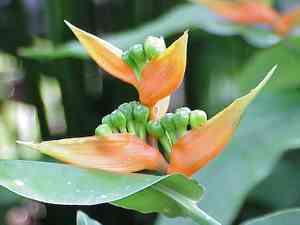
Heliconia Dwarf Jamaican, a lively tropical flora, flourishes when multiplied via separation. Cultivators ought to choose robust, established clusters for splitting, making certain every segment possesses a minimum of one growth point. Gentle detachment at the root system aids in preserving the plant's well-being, succeeded by prompt transplantation into porous substrate. Elevated atmospheric moisture and diffused illumination will foster effective integration.
Optimal Time for Dwarf Jamaican Heliconia Propagation
Propagation Method
Division
Propagation Period
Spring,Autumn
Tools for Dwarf Jamaican Heliconia Propagation
Sharp, Clean Knife or Pruning Shears
These implements are vital for making precise cuts through the rhizomes or roots of dwarf jamaican heliconia during the division process. A keen knife or shears ensures clean incisions, minimizing plant tissue damage, which aids in faster recovery and lowers disease risk. Clean tools also prevent pathogen introduction to fresh cuts.
Spade or Garden Fork
This implement is essential for gently lifting the root mass from the soil without causing undue harm. A spade or garden fork assists in carefully digging around and beneath the root zone of dwarf jamaican heliconia, making plant removal easier and safer before division.
Potting Mix or Soil Medium
Following division, dwarf jamaican heliconia will require replanting in a suitable growth medium that supports root development and overall plant vitality. A well-draining, fertile soil blend, possibly enriched with organic matter like compost, provides an ideal environment for new plant root establishment.
Rooting Hormone (optional)
Applying a rooting hormone to the cut surfaces of dwarf jamaican heliconia's rhizomes can boost root development in the new divisions. Rooting hormones increase the probability of successful plant establishment by accelerating root growth, which is especially beneficial during the delicate phase of re-establishing divided plants.
Watering Can with a Gentle Spray
Post-propagation care for dwarf jamaican heliconia involves gentle and consistent watering. A watering can equipped with a gentle spray attachment ensures even water distribution over the soil without disturbing newly planted divisions or causing soil erosion around the plant.
How to Propagate Dwarf Jamaican Heliconia?
Propagation Difficulty
Easy
Caring for Your Newly Propagated Dwarf Jamaican Heliconia
Caring for Your Newly Propagated Dwarf Jamaican Heliconia?
To care for dwarf jamaican heliconia after propagation, maintain consistently moist soil and provide bright, indirect light, avoiding direct sunlight which can scorch leaves. Fertilize monthly with a balanced, water-soluble fertilizer during the active growth period. Regularly inspect for pests such as aphids or spider mites, and address infestations promptly. Prune any dead or damaged foliage to encourage healthy growth and air circulation around the plant.
Common Propagation Errors to Avoid with Dwarf Jamaican Heliconia
Overwatering
Excessive watering can lead to root rot in dwarf jamaican heliconia, a condition that weakens roots, hindering effective new growth. Too much moisture restricts oxygen availability, which is crucial for root health.
Insufficient humidity
Dwarf jamaican heliconia needs high humidity to thrive, especially during propagation. Low humidity environments can cause cuttings to dry out before rooting, resulting in failed propagation attempts.
Using containers that are too large or too small
Using improperly sized containers can either cause waterlogging or impede root development. Both scenarios can negatively affect the root health and overall growth potential of dwarf jamaican heliconia.
Neglecting to use rooting hormone
Failing to use rooting hormone can reduce the chances of successful root development in dwarf jamaican heliconia cuttings. Rooting hormones help stimulate root growth, increasing propagation success rates.
Tips for Propagating Dwarf Jamaican Heliconia
Maintain optimal humidity
Keeping the environment around dwarf jamaican heliconia humid is vital during propagation. Covering the plant with a plastic bag or using a humidity tray can help maintain the necessary moisture levels.
Choose the right container size
Selecting a container that is appropriately sized for the root ball of dwarf jamaican heliconia helps ensure adequate space for root development without the risk of waterlogging.
Use clean, sharp tools
Using sterilized and sharp cutting tools helps prevent the introduction of diseases and ensures clean cuts that heal faster, which is crucial for the health and success of propagated dwarf jamaican heliconia plants.
Employ rooting hormone
Applying a rooting hormone to the cut end of dwarf jamaican heliconia cuttings can significantly enhance the likelihood of root growth and successful plant establishment.



