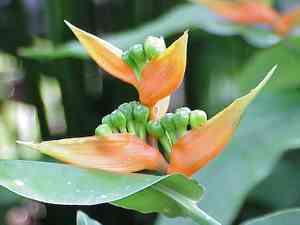
Dwarf jamaican heliconia (Heliconia stricta)
Also known as: Erect heliconia
The bromeliad is a tropical and subtropical plant frequently grown in warm areas for its decorative appeal. It's renowned for the tiny "water pools" that form within its leaf rosettes.
In This Article
Attributes of Dwarf jamaican heliconia
Lifespan
Perennial, Annual
Plant Type
Herb
Plant Height
61 cm to 91 cm
Spread
1.5 m
Leaf Color
Green
Flower Size
10 cm to 13 cm
Flower Color
Red Orange Yellow
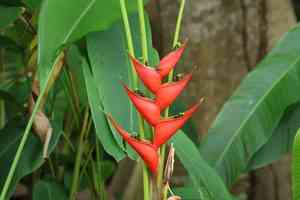
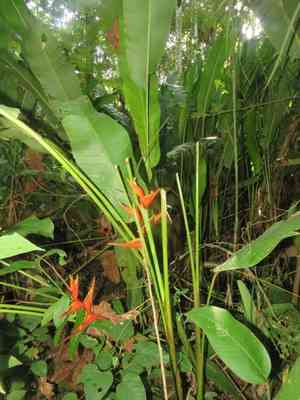
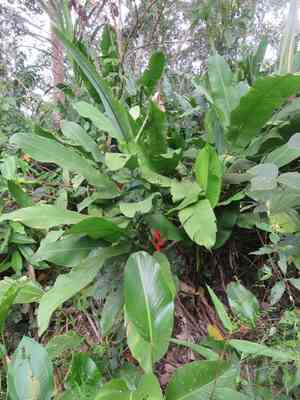
Images of Dwarf jamaican heliconia
Quickly Identify Dwarf jamaican heliconia
1
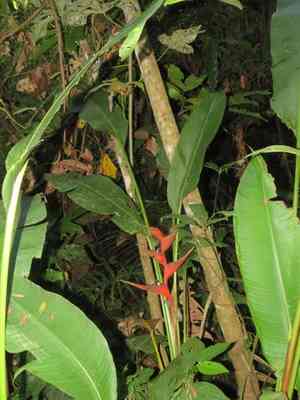
Heliconia stricta can be identified by its unique inflorescence with brightly colored bracts ranging from red, orange, pink, to yellow. The leaves are large, oblong, and similar to banana leaves.
Scientific Classification of Dwarf jamaican heliconia
Phylum
Vascular plants
Class
Monocotyledons
Order
Zingiberales
Family
Heliconia
Genus
Lobster-claws
Species
Dwarf jamaican heliconia
Planting and Growing of Dwarf jamaican heliconia
Care Difficulty
Hard
Watering Schedule
Every 4 days
Sunlight Requirements
Partial sun
Sunshine Duration
6-10 hours
Ideal Temperature
65-80℉
Soil Type
Potting Mix, Peat Mix
Soil pH
5.5-7
Fertilizer Type
Balanced
Pruning Season
Spring, Summer
Pruning Area
Branches, Leaves
Pruning Frequency
2 times a year
Repotting Season
Spring
Pot Type
Plastic, Ceramic
 How to Water Dwarf jamaican heliconia?
For Heliconia stricta, the ideal watering amount is around 300ml per session. It's important to thoroughly saturate the soil until you see water draining from the pot’s bottom. This ensures that all root zones receive adequate moisture, which prevents dry pockets in the soil.
What are the symptoms of an underwatered Dwarf jamaican heliconia?
›
What should I do if my Dwarf jamaican heliconia is not getting enough water?
›
What are the symptoms of an overwatered Dwarf jamaican heliconia?
›
How to save an overwatered Dwarf jamaican heliconia?
›
 What Are the Sunlight Requirements for Dwarf jamaican heliconia?
Heliconia stricta prefers conditions where it receives partial sun or full shade, mimicking its natural habitat under the canopy. This setup allows it to grow efficiently, producing vibrant and healthy leaves and bracts, highlighting its unique beauty.
More About Sunlight Requirements Techniques→
What type of sunlight is best?
›
How can I achieve ideal lighting conditions?
›
What are the benefits of ideal lighting?
›
 What Is the Ideal Temperature Range for Dwarf jamaican heliconia?
For optimal growth, Heliconia stricta thrives best in temperatures between 65°F and 80°F. This range ensures that the plant receives enough warmth to carry out its metabolic functions effectively while also avoiding stress from excessive heat.
 What Soil is Best for Dwarf jamaican heliconia?
Heliconia stricta thrives in well-draining soil, which prevents water stagnation and root rot. Ensuring proper drainage helps the plant's roots absorb nutrients efficiently, promoting vibrant growth and healthy foliage. This plant benefits from soil rich in organic matter, which provides essential nutrients and improves soil structure. Organic-rich soil retains moisture while supplying a steady nutrient release, boosting the plant's overall vitality. While the soil must drain well, it should also retain moisture effectively. Soils with good moisture holding capabilities provide Heliconia stricta with consistent hydration, crucial for its lush leaves and bright blossoms.
 How to Fertilize Dwarf jamaican heliconia?
When fertilizing Heliconia stricta, it's crucial to use a balanced fertilizer with equal parts of nitrogen, phosphorus, and potassium. For liquid fertilizers, a concentration of 1 teaspoon per gallon of water is recommended. Solid fertilizers should be applied sparingly, using about 1 tablespoon of a slow-release formula around the base of the plant.
 How to Prune Dwarf jamaican heliconia?
Begin by identifying any dead, damaged, or diseased plant parts. These are usually brown or black in color and have a dried-up appearance. Removing them not only tidies up the plant but also prevents the spread of diseases to healthy areas. When pruning, always make your cuts just above a growth node or lateral bud. This encourages new growth in the desired direction and helps the plant maintain a compact and lush form. Avoid leaving long stubs as they can impede healthy growth and harbor pests.
More About Pruning Techniques→
 How to Propagate Dwarf jamaican heliconia plant?
1
Collect the seeds from the mature Heliconia stricta flowers once they have dried out on the plant. Ensure that the seeds are properly dried before storage or planting to enhance their viability.
2
Use a sharp knife to carefully divide the rhizomes, ensuring each section has at least one growth node. Replant these sections promptly to prevent the roots from drying out.
3
Sow seeds in a well-draining soil mix, covering them lightly with soil. Maintain consistent moisture and temperature to facilitate germination, which can take several weeks.
 How to Repot Dwarf jamaican heliconia plant?
1
Heliconia stricta shows signs of needing repotting when its roots start to outgrow the pot, becoming visible through the drainage holes, or when growth noticeably slows down. It's best to repot just as new growth begins.
2
Selecting the right pot is essential. Aim for a pot that's one size larger than the current. Good drainage is crucial, so ensure it has drainage holes. This helps in preventing root rot and allows the Heliconia to establish better.
3
Use a well-draining, rich organic soil mix designed for tropical plants. A mix of peat, perlite, and compost provides the ideal environment, promoting healthy growth and ensuring roots get both air and nutrients.



