How to Transplant Licorice plant?
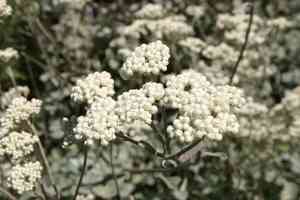
Relocate licorice plant during the mild period of early to mid-spring to facilitate optimal root development. Select a location bathed in sunlight with soil that drains effectively. To guarantee the licorice plant's successful acclimation, refrain from burying it too deeply and ensure continuous hydration.
Essential Preparations Before Relocating Licorice Plant?
Optimal Timing for Relocating Licorice Plant?
The best period for moving licorice plant is from mid to late spring, when the ground is warm and the danger of frost has passed. This timeframe offers ideal conditions for licorice plant to establish its root system and flourish. Transplanting licorice plant during this season leverages rising temperatures and extended daylight, which encourage robust development. By selecting this prime window, you ensure licorice plant settles in effectively, with ample time to grow before summer's intense heat or autumn's chill.
Required Spacing Between Licorice Plant Specimens?
When relocating licorice plant, ensure they have adequate room to expand. Ideally, position them approximately 2-3 feet (60-90cm) apart. This spacing allows each plant sufficient air circulation and promotes healthier development. Happy gardening!
Optimal Soil Blend for Licorice Plant Relocation?
Prior to moving licorice plant, enrich the soil by incorporating fertile compost or a foundational fertilizer. The soil should drain efficiently and be rich in organic matter. This will supply the vital nutrients licorice plant requires to thrive.
Preferred Location for Your Licorice Plant?
For an ideal growing environment, select a site where licorice plant will receive ample sunlight. Full to partial sun is perfect for licorice plant. However, if your area has some shade, don't worry, licorice plant tolerates it well. Enjoy your gardening journey!
Tools Required Before Relocating Licorice Plant?
Gardening Gloves
These will safeguard your hands from soil and minor cuts while handling the earth and plant.
Shovel or Spade
You'll need this to excavate the new planting site for the licorice plant, and potentially for extracting it from its original spot.
Garden Pruner
For trimming any damaged roots or branches during the relocation process.
Watering Can
Used to keep the plant hydrated both before and after its move.
Wheelbarrow or Hauling Tarp
To assist in transporting the plant from one place to another, especially if it's a large licorice plant already in the ground.
Garden Trowel
Utilized for managing the planting hole for licorice plant, particularly if it originates from a small pot or seedling tray.
Mulch
To aid in maintaining soil moisture levels following the relocation.
Organic Compost
To enrich the soil at the new planting site.
How to Extract Licorice Plant from the Ground?
How to Extract Licorice Plant from the Ground?
From Ground: Begin by hydrating the licorice plant to make the soil pliable and easier to manage. Carefully excavate a deep trench around the plant using your shovel or spade, maintaining a safe distance from the main stem to prevent root damage. Gradually loosen the soil underneath until you can gently lift the plant from its location. Remember to keep the root ball as intact as possible.From Pot: To remove licorice plant from a container, first water the plant. Then, place your hand over the soil with the plant stem between your fingers. Invert the pot and tap it gently to allow the plant, along with its root ball, to slide out.From a Seedling Tray: Water the seedling tray. Using a garden trowel, carefully loosen the soil surrounding each licorice plant seedling. Gently lift each seedling by its leaves rather than the stem, ensuring minimal harm to the delicate roots.
Detailed Steps for Relocating Licorice Plant
Preparation
Prepare the new planting site in advance. It should be sufficiently deep and wide to accommodate the licorice plant's root ball. Loosen the soil on the sides and bottom of the hole.
Soil Enrichment
Add a layer of organic compost to the base of the hole.
Plant Placement
Position the plant in the hole so that the top of the root ball is level with the soil surface. Adjust the soil beneath the root ball if necessary.
Backfilling
Carefully refill the hole with soil, gently firming it around the licorice plant.
Watering
Thoroughly water the plant to help the soil settle. Ensure it's well-hydrated but avoid creating standing water.
Mulching
Spread a layer of mulch around the plant. This will help retain moisture and suppress weeds.
Post-Relocation Care for Licorice Plant
Monitoring
Closely observe the licorice plant for the initial few weeks. Watch for any indications of transplant shock, such as wilting or yellowing foliage.
Watering
Ensure the plant receives ample water until it is established. Always check the top inch of soil before watering. It should be moist but not waterlogged.
Pruning
For the first year after relocation, only remove dead or damaged leaves. This allows the licorice plant to prioritize root development.
Pest Control
Monitor for pests like aphids and beetles and employ eco-friendly methods to manage them, such as organic pesticides or beneficial insects.
Weather Protection
Take precautions to shield your newly relocated licorice plant from harsh weather conditions, including intense sun, strong winds, or frost.
Resolving Common Issues with Licorice Plant Relocation.
When is the ideal time to relocate licorice plant?
The optimal period for moving licorice plant is during the 'S2-S3 seasons', which typically means late spring to early summer in most regions.
What is the perfect spacing for licorice plant during relocation?
Licorice plant thrives when given adequate room to grow. Ensure a spacing of approximately 2-3 feet (60-90cm) between each plant when you move them.
What size hole should I dig for licorice plant when relocating?
Excavate a hole roughly twice the size of the root ball. This provides ample space for the roots to spread and anchor. Generally, about 10 inches (25 cm) deep should suffice.
How do I prepare the soil before relocating licorice plant?
Ensure the soil is prepared by incorporating compost or organic matter. This enriches the soil with nutrients, promoting healthy growth for licorice plant.
How do I know if licorice plant is ready for relocation?
Licorice plant is prepared for relocation when it has outgrown its current container or when root balls become visible at the bottom.
What to do if licorice plant wilts after relocation?
A wilted licorice plant may be experiencing transplant shock. Water it sufficiently and keep it in partial shade until it recovers. Avoid fertilizing until it perks up.
What happens if licorice plant turns yellow after relocation?
Transplant stress could be the cause. Ensure licorice plant is adequately watered but not over-watered. Also, confirm it's receiving appropriate light and that the soil drains well.
Why are my relocated licorice plant leaves turning brown at the edges?
Brown leaf edges in licorice plant can result from overwatering, nutrient deficiency, or extreme temperature fluctuations. Evaluate and adjust these factors as needed.
What's the ideal watering regimen for licorice plant post-relocation?
Licorice plant generally prefers consistent moisture but dislikes sitting in water. Water it once the top 1-2 inches (2.5-5cm) of soil feels dry.
What do I do if the relocated licorice plant doesn't show growth?
Ensure it's receiving correct light, water, and nutrients. If growth doesn't occur after 2-3 weeks, consider consulting a horticulture expert or local nursery.



