Enhancing Your Garden Design with the Licorice plant Plant: A Landscaping Guide
1
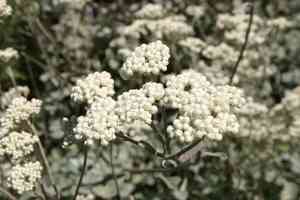
Licorice plant provides attractive silver-gray leaves that enhance diverse garden aesthetics.
2
Licorice plant tolerates dry conditions well, perfect for water-wise landscaping.
3
Thoughtful placement of Licorice plant can greatly improve your garden's look and feel.
Introducing Licorice Plant in Garden Design
Overview of Licorice plant's function in garden aesthetics
Licorice plant is a versatile species that can significantly contribute to garden aesthetics. Renowned for its striking silver-grey leaves, it offers distinct texture and color to any garden. Its trailing habit makes it perfect for ground cover, hanging containers, and even potted arrangements. Whether you aim for a lush, formal garden or a relaxed, informal landscape, Licorice plant is an excellent option.
Why Licorice plant is favored by landscape designers
The popularity of Licorice plant among landscape designers stems from its visual appeal and practical advantages. Its drought-tolerant nature makes it a robust choice for various climates, especially in regions prone to dry spells. Furthermore, Licorice plant requires relatively little upkeep, needing minimal attention once established. Its ability to complement a wide range of plants also adds to its versatility, making it a preferred choice for creating harmonious, yet visually engaging landscapes.
Integrating Licorice Plant into Diverse Landscape Styles
Enhancing formal gardens with Licorice plant
Formal gardens often rely on symmetry, defined lines, and structured layouts. Licorice plant can elevate these gardens by providing a soft, trailing edge to paths or borders. Its silver foliage offers a striking contrast against the deep greens and vibrant hues typically found in formal garden plants. Additionally, Licorice plant's compact growth habit makes it easy to shape and maintain within structured garden designs.
Utilizing Licorice plant in informal or cottage-style landscapes
In more relaxed or cottage-style landscapes, Licorice plant adds a touch of untamed elegance. Its natural, trailing habit works well in these gardens, where the aesthetic prioritizes abundance over strict structure. Licorice plant can be used to soften the edges of garden beds, cascade over walls, or interweave with other plants. Its silver foliage stands out beautifully against the mixed textures and colors in informal plantings, creating a cohesive yet spontaneous look.
Licorice plant in xeriscaping: Adapting to arid regions
Xeriscaping, or water-efficient gardening, focuses on employing drought-resistant plants to create sustainable landscapes. Licorice plant is an excellent choice for xeriscaping due to its capacity to thrive in dry conditions. It requires minimal water once established and can endure extended periods of drought. Incorporating Licorice plant into xeriscaped gardens not only adds visual interest but also supports environmental sustainability by reducing water consumption.
Optimal Placement and Companion Plants
Strategic positioning advice for maximum visual impact
Placement is crucial for maximizing the visual impact of Licorice plant in your garden. Consider using it to highlight pathways, borders, and container arrangements. Its trailing habit and distinctive foliage create a striking visual effect when allowed to spill over edges or drape in hanging baskets. To emphasize its beauty, position Licorice plant where it can capture light, as its silver leaves reflect sunlight beautifully, enhancing the overall landscape aesthetics.
Plants that complement Licorice plant for a unified appearance
Licorice plant pairs well with a variety of plants, enhancing the overall look of your garden. Consider combining it with plants that have contrasting foliage colors, such as dark greens or deep purples, to make its silver-grey leaves stand out. Flowering plants like lavender, verbena, or petunias provide a colorful contrast, creating a vibrant and cohesive look. Additionally, succulents and grasses can complement Licorice plant in xeriscaped gardens, adding texture and diversity.
Seasonal Considerations for Licorice Plant
Best times of year for planting Licorice plant
The optimal seasons for planting Licorice plant are spring and early autumn. These periods offer ideal growing conditions, allowing Licorice plant to establish roots before the extreme temperatures of summer or winter arrive. Planting during these times ensures that Licorice plant has time to acclimate and grow strong, making it more resilient to seasonal changes.
How Licorice plant adjusts throughout the year
Licorice plant is a robust species that adapts well to various seasonal changes. In warmer months, it flourishes and grows abundantly, spreading its foliage and enhancing the garden's visual appeal. During cooler seasons, Licorice plant may slow its growth but generally retains its foliage, providing year-round interest. Its adaptability and resilience make it a valuable plant for any landscape, ensuring continuous beauty across seasons.
Maintaining Licorice Plant in Your Landscape
Basic care tips for longevity and aesthetic appeal
Maintaining Licorice plant is relatively simple, making it a favorite for gardeners of all experience levels. Regular watering during the initial growth phase helps it establish strong roots. Once established, it requires minimal watering, making it ideal for low-maintenance gardens. Pruning Licorice plant occasionally to remove any dead or overgrown stems helps maintain its shape and encourages new growth. Additionally, a light application of balanced fertilizer in the spring can support its health and vigor.
Common issues and straightforward remedies
While Licorice plant is generally low-maintenance, it can occasionally face challenges such as pests or diseases. Aphids and whiteflies can be managed with insecticidal soap or neem oil. Overwatering can lead to root rot, so ensuring well-drained soil and moderate watering is crucial. Regular inspection and quick intervention can keep Licorice plant healthy and thriving, allowing it to continue enhancing your landscape with minimal fuss.



