Optimal Soil for Growing Licorice plant: What You Need to Know
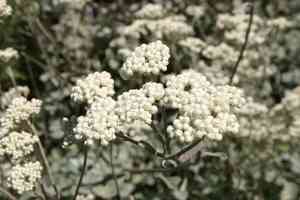
1
Licorice plant thrives in well-draining soil to avoid root decay.
2
An optimal soil pH for Licorice plant ranges from mildly acidic to neutral, specifically 6.5 to 7.5.
3
Incorporating organic material into the soil improves its nutritional value and composition, which aids Licorice plant development.
What Kind of Substrate Does the Licorice Plant Prefer?
Substrate Texture for Licorice Plant
The Licorice plant flourishes in well-draining substrate with a light, sandy, or loamy consistency. Heavy clay substrates should be avoided as they can hold excessive moisture, leading to root decay. Incorporate perlite or sand into the substrate mix if you have a clay-heavy soil to enhance its drainage and aeration qualities. This plant needs to 'breathe,' and providing a light substrate helps ensure oxygen reaches the roots effectively.
Substrate pH Levels for Licorice Plant
For optimal development, the Licorice plant requires a substrate pH between 6.5 to 7.5, indicating it prefers slightly acidic to neutral conditions. To measure your substrate's pH, you can use a simple pH testing kit available at most garden centers. If your substrate is too acidic, adding lime can help increase the pH, while sulfur can be used to decrease it if the substrate is too alkaline.
Nutrient Requirements for Licorice Plant Substrate
Although the Licorice plant is relatively low-maintenance, it benefits from nutrient-rich substrate. Ensure your substrate includes a balanced blend of macronutrients like nitrogen (N), phosphorus (P), and potassium (K). Consider using a slow-release fertilizer to provide a consistent supply of nutrients. Organic compost can also be mixed into the substrate to improve its nutrient content and structure.
How to Improve Substrate for Licorice Plant Growth?
Enhancing Drainage for Licorice Plant Substrate
To improve drainage in your substrate, consider incorporating materials such as perlite, sand, or small gravel. These amendments can help prevent water from accumulating around the roots, which is crucial for the health of the Licorice plant. Additionally, planting in raised beds or containers with drainage holes can further ensure excess water can escape easily, providing the dry conditions this plant prefers.
Adjusting Substrate pH for Optimal Growth
Modifying the substrate pH to fall within the ideal range of 6.5 to 7.5 for the Licorice plant may necessitate some substrate amendments. If your substrate is too acidic, ground lime works effectively to raise the pH. Conversely, if your substrate is too alkaline, incorporating elemental sulfur can help lower the pH gradually. Always re-test the substrate pH after making adjustments, and aim for incremental changes to avoid stressing the plant.
Adding Organic Matter to Licorice Plant Substrate
Incorporating organic matter such as compost, well-rotted manure, or leaf mold into your substrate can significantly benefit the Licorice plant. Organic matter enhances substrate fertility, improves texture, and increases its ability to retain water and nutrients. Aim to mix in a layer of organic matter 5-10 cm (2-4 inches) thick into the top 15-20 cm (6-8 inches) of substrate for best results.
Maintaining Healthy Substrate for Licorice Plant
Regular Substrate Testing
To keep your substrate in prime condition, conduct regular substrate tests to monitor pH and nutrient levels. Seasonal testing provides insights on how to adjust your care routine, whether it involves adding fertilizers or amending the substrate. Home testing kits are convenient, but you can also send samples to local agricultural extension services for a comprehensive analysis.
Seasonal Fertilization
Fertilize the Licorice plant substrate seasonally with a balanced, slow-release fertilizer to ensure continuous nutrient availability. In early spring, apply a complete fertilizer with an N-P-K ratio of approximately 10-10-10. Follow up with a mid-summer feeding using an organic feed like fish emulsion for an additional nutrient boost. Be careful not to over-fertilize, as this can harm the plant.
Mulching to Protect Substrate Health
Mulching offers multiple advantages, including moisture retention, temperature regulation, and weed suppression. Apply a 5-7 cm (2-3 inch) layer of organic mulch, such as bark chips or straw, around the base of the Licorice plant. Keep the mulch a few centimeters away from the stem to prevent rot and disease. Refresh the mulch periodically to maintain its effectiveness.
Common Substrate Problems and Solutions for Licorice Plant
Dealing with Poor Drainage
If poor drainage is an issue, consider planting your Licorice plant in raised beds or containers. Improve substrate structure by incorporating coarse sand or perlite, and ensure you're not overwatering, as this can worsen drainage problems. Consistently check that water is not pooling around the roots, which can lead to root rot.
Addressing Nutrient Deficiencies
Signs of nutrient deficiencies include yellowing leaves and stunted growth. Conduct a substrate test to identify specific deficiencies and address them by applying appropriate fertilizers. For instance, a nitrogen deficiency can be alleviated with a nitrogen-rich fertilizer, while compost or specialized mineral supplements can address deficiencies in phosphorus or potassium.
Preventing Substrate Compaction
Substrate compaction restricts root growth and water infiltration. To prevent this, avoid walking directly on garden substrate where Licorice plants are planted. Loosen compacted substrate by tilling or using a garden fork to aerate it. Regularly add organic matter to keep the substrate loose and friable.



