How to Prune Licorice plant?
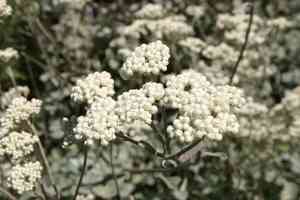
Celebrated for its plush leaves and trailing form, the licorice plant greatly benefits from regular trimming. Essential methods involve shortening elongated stems to encourage denser development and excising withered or compromised portions. The most effective time for pruning is in late winter or early spring to stimulate fresh development. Consistent trimming boosts the plant's vitality and preserves its intended silhouette, simultaneously guaranteeing sufficient air movement to deter ailments. Gentle nipping of the tips can be performed during the entire growing period to refine its contour and fullness.
Advantages of Trimming Licorice Plant
Advantages of Trimming Licorice Plant
Trimming licorice plant promotes robust development and maintains its desired form. Proper trimming fosters healthier, denser foliage and aids in managing its size, ensuring licorice plant remains appealing and manageable in garden areas.
Optimal Time for Trimming Licorice Plant
Optimal Time for Trimming Licorice Plant
Trimming licorice plant in late winter, just prior to the spring growth surge, allows the plant to recover swiftly without jeopardizing new growth. Early spring trimming is also beneficial as it helps shape the plant and control its dimensions before its active growing season commences. This timing also prevents the removal of flower buds, thus not impacting the plant's blooming capacity. It is particularly crucial to trim licorice plant before it starts producing new shoots, as these shoots are vital for the plant's energy production. Careful timing also assists licorice plant in retaining strong, healthy branches capable of supporting the season's growth, diminishes the likelihood of disease since the plant's sap flow is reduced, and minimizes any stress that might impede overall health and vitality.
Essential Tools for Trimming Licorice Plant
Hand pruners
Licorice plant possesses soft, herbaceous stems during its active growth, making hand pruners ideal for clean cuts without harming the plant. Ensure hand pruners are sharp to prevent stem tearing.
Bypass pruners
Bypass pruners are effective for licorice plant as they create a clean cut that heals faster and are less damaging than anvil-type pruners. Their design allows for precise cutting, especially in dense foliage.
Gardening shears
For shaping licorice plant, gardening shears can be used to snip smaller branches and leaves. This tool helps maintain the desired shape and encourages dense growth. Choose shears with a comfortable grip and easy-to-clean blades.
Pruning saw
If licorice plant has older or woody stems, a small pruning saw may be necessary. Use it for stems too thick for hand pruners. A pruning saw allows for removal of thick branches without straining the gardener's hands.
Disinfectant for tools
It's vital to disinfect tools before and after use to prevent disease spread in licorice plant. Disease-free cuts are crucial for the plant's health.
How to Trim Licorice Plant
Sanitize Tools
Before beginning to trim licorice plant, sterilize pruning shears with rubbing alcohol or a bleach solution to prevent disease transmission.
Identify Parts
Carefully examine licorice plant to locate diseased and withered leaves. These are typically discolored, spotted, or visibly damaged compared to healthy foliage.
Cut Diseased
Using the sterilized pruning shears, remove diseased leaves at the base of their stems. Make a clean cut as close to the main stem as possible, without causing damage.
Remove Withered
Trim withered leaves, which may appear dry or brown. Clip these leaves individually at the base of their stem, similar to diseased ones, to promote healthy growth and air circulation.
Clean Up
After trimming, clear all removed foliage from the ground around licorice plant to prevent disease spread or pest attraction to plant debris.
Common Trimming Errors with Licorice Plant
Excessive Trimming
Removing too much foliage from licorice plant at once can stress the plant, potentially leading to reduced vigor or even death.
Uneven Cuts
Making imprecise or jagged cuts while trimming licorice plant can create openings for pathogens and delay the healing process of the cuts.
Only Trimming The Tops
Regularly trimming only the top growth and neglecting the interior and lower parts can result in a plant with a 'leggy' appearance and poor air circulation.
Unclean Tools
Using unsanitized trimming tools can spread diseases to licorice plant from previously trimmed plants.
Ignoring Dead Or Diseased Growth
Failing to regularly remove dead or diseased material from licorice plant can limit healthy growth and facilitate the spread of disease.
Incorrect Cut Placement
Cutting too close or too far from the growth nodes disrupts the natural growth pattern of licorice plant and may result in unwanted growth or dieback.
General Trimming Advice for Licorice Plant
Sharp Tools
Use sharp, clean pruners to make clean cuts on licorice plant, which will heal more quickly and reduce the risk of disease.
Selective Trimming
Trim licorice plant selectively to shape the plant and encourage bushier growth, rather than cutting back uniformly.
Encourage Bushiness
Pinching back the tips of licorice plant, especially in young plants, helps to promote a fuller shape and more vigorous branches.
Rejuvenation Trimming
If licorice plant becomes too woody or sparse, perform rejuvenation trimming by cutting back hard to encourage new growth from the base.
Thinning Out
Thin out crowded stems to improve air circulation and light penetration for the overall health of licorice plant.
Monitoring Plant Health
Regularly inspect licorice plant for signs of poor health or growth, and trim as necessary to remove affected parts and maintain plant vigor.



