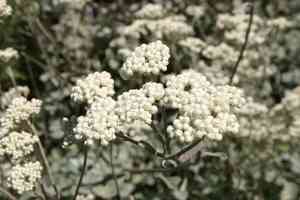
Licorice plant (Helichrysum petiolare)
Also known as: Silver everlasting, Silver-bush everlasting, Silver Licorice
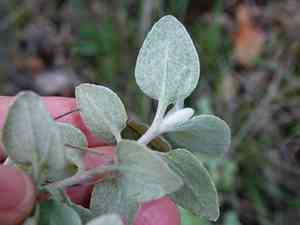
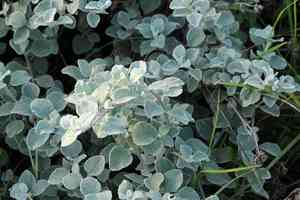
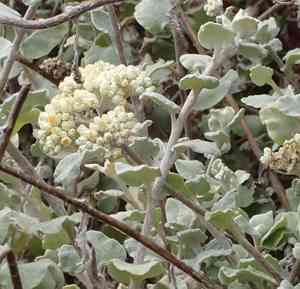
Helichrysum petiolare, also known as the licorice-plant, originates from South Africa, where it is commonly referred to as imphepho. This evergreen subshrub can grow up to 45 cm in height and spread to about 1.5 meters in width. It features gray-green, fuzzy leaves and tiny white blossoms. Additionally, it has been naturalized in regions such as Portugal and the United States. The plant is also known by other names, including silver-bush everlastingflower, trailing dusty miller, and kooigoed, and its foliage emits a mild licorice scent.
Attributes of Licorice plant
Images of Licorice plant
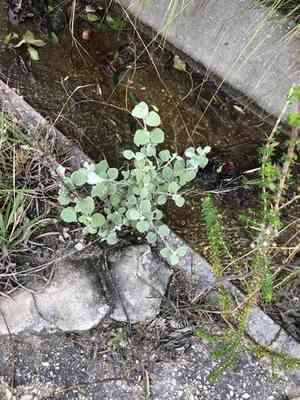
Quickly Identify Licorice plant
Scientific Classification of Licorice plant
Planting and Growing of Licorice plant
 How to Water Licorice plant?
 What Are the Sunlight Requirements for Licorice plant?
 What Is the Ideal Temperature Range for Licorice plant?
 What Soil is Best for Licorice plant?
 How to Fertilize Licorice plant?
 How to Prune Licorice plant?
 How to Propagate Licorice plant plant?
 How to Repot Licorice plant plant?
Toxicity of Licorice plant
Is Licorice plant toxic to humans?
The licorice plant exhibits a moderate degree of toxicity in humans, with all parts of the plant capable of inducing poisoning if ingested. Upon consuming portions of the licorice plant, individuals may encounter various symptoms that signify poisoning. These symptoms can encompass gastrointestinal issues, including nausea, vomiting, and diarrhea, along with possible neurological effects such as dizziness or headaches. The intensity of these symptoms may fluctuate based on the quantity of plant material consumed. It is crucial for individuals to recognize the dangers associated with accidental consumption of the licorice plant, particularly since the entire plant, including sections that might be wrongly considered safe, can result in negative health repercussions.
Is Licorice plant toxic to cat?
The licorice plant presents a moderate level of danger to cats upon ingestion, even if it's unintentional. Since all parts of the licorice plant are toxic, a cat can be exposed to its harmful effects if it chews on or consumes any part of it. Following ingestion, cats may suffer from various physical discomforts or distress, highlighting the importance of pet owners closely supervising their cats and restricting their access to this plant. If there is any suspicion of licorice plant poisoning in a cat, it is crucial to obtain veterinary assistance without delay to avert further health issues.
Is Licorice plant toxic to dog?
The licorice plant is recognized for its moderate toxicity in dogs. Any part of this plant can be harmful to canines, making it essential to consider the whole plant as toxic. Dogs might accidentally eat the licorice plant, particularly if they are in an area where it grows. Once consumed, a dog may show signs such as gastrointestinal distress, vomiting, diarrhea, or potentially more severe reactions based on the quantity ingested. Given the moderate toxicity of the licorice plant, it is vital for dog owners to keep a close watch on their pets and restrict their access to this plant. Should a dog ingest this plant, seeking immediate veterinary assistance is crucial for appropriate treatment and care.



