How to Transplant Rosilla?
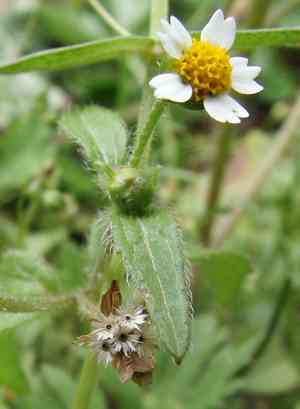
The ideal period for relocating rosilla spans from the gentle warmth of spring into mid-summer, fostering robust development. Select a bright area featuring soil that drains effectively; consistent irrigation after the move aids in its adjustment.
Essential Preparations Before Relocating Rosilla?
Optimal Period for Rosilla Relocation?
For rosilla, the prime window for moving is from the revitalization of late spring through the height of summer's warmth. This timeframe provides rosilla sufficient opportunity to anchor its roots and flourish, benefiting from balanced soil temperatures and extended daylight. Shifting rosilla during this phase promotes vigorous development and strong health prior to the onset of colder seasons.
Required Spacing Between Rosilla Specimens?
When getting ready to move rosilla, visualize each plant having its own ample area to thrive. Aim for a separation of approximately 18-24 inches (45-60 cm) between them. This will allow each rosilla enough room to expand and prosper, without competing for nutrients or sunlight.
Preferred Soil Blend for Rosilla Relocation?
For rosilla, a well-draining soil abundant in organic material will create the perfect foundation. Before moving, enrich your garden spot with compost or a balanced, slow-release fertilizer to give your plants a robust beginning. The pH level should be slightly acidic to neutral, roughly 5.5 to 7.5.
Optimal New Location for Your Rosilla?
Your rosilla thrives in sunlight, much like we enjoy a bright, sunny day! Select a spot where it can absorb at least 6 hours of direct sunlight daily. A south-facing position is ideal, providing your rosilla the warmth and energy it requires for beautiful growth.
Necessary Tools for Rosilla Transplantation?
Gardening Gloves
To safeguard your hands while handling soil and plants.
Shovel or Spade
For excavating the plant from its current spot and preparing the new hole.
Garden Fork
To loosen and lift the earth surrounding the root mass.
Watering Can or Hose
To hydrate the rosilla before and after its relocation.
Pruning Shears
For trimming any damaged roots or stems.
Wheelbarrow or Plant Dolly
To move the rosilla to its new site, if needed.
Method for Extracting Rosilla from the Ground?
Method for Extracting Rosilla from the Ground?
From Ground: First, moisten the rosilla plant to dampen the soil. Next, use a shovel or garden fork to dig a wide trench around the plant, taking care not to harm the root ball. Gently work the tool beneath the root ball and lift the plant from its original position.From Pot: Begin by watering the rosilla plant to facilitate removal. Turn the pot sideways and gently tap the sides and bottom to loosen the soil and roots. Grasp the plant's base and carefully ease it out of the pot, supporting the root ball.From Seedling Tray: Water the seedlings thoroughly before moving them. Use a dibber or small stick to carefully lift the seedling from the tray, ensuring not to damage the roots. Hold the seedling by its leaves rather than the stem to prevent injury.
Step-by-Step Guide for Relocating Rosilla
Preparation
Water the rosilla thoroughly several hours before moving to ensure the soil is damp and roots are hydrated.
Root Ball
Use a shovel or spade to carefully dig around the rosilla, creating a wide perimeter to encompass the entire root mass. Gently insert the tool beneath the root ball and lift it from the soil.
Root Care
Examine the root ball and use pruning shears to snip off any damaged or excessively long roots. Be gentle to minimize stress on the plant.
Plant Transport
If moving the rosilla a considerable distance, place it on a wheelbarrow or plant dolly to transport it to the new location with minimal disruption.
Planting Hole
At the new site, dig a hole twice as wide as the root ball and of the same depth. Gently place the rosilla into the hole, positioning it at the same level it was in its previous spot.
Settling In
Backfill the hole with soil, patting down lightly to eliminate air pockets. Water the area thoroughly to help the soil settle around the roots.
Support
If necessary, stake the rosilla for additional stability to maintain its upright position while new roots are forming.
Post-Transplant Care for Rosilla?
Watering
Maintain consistent moisture in the soil around the rosilla for the initial weeks after relocation to encourage root development.
Monitoring
Observe the rosilla daily for indications of transplant shock, such as wilting or discolored leaves, and address these signs promptly with appropriate care.
Adjustments
If the rosilla appears unstable or leans significantly, adjust the stakes or add more support until it can stand independently.
Pruning
Remove any dead or damaged foliage to direct the rosilla's energy towards root establishment and new growth.
Resolving Common Rosilla Transplantation Issues.
Optimal timing for successful rosilla transplant?
Transplanting rosilla thrives when performed between late spring and midsummer for prime root establishment.
Recommended spacing for rosilla during transplant?
Aim for 18-24 inches (45-60 cm) of space to allow each rosilla ample room to flourish.
Why is my rosilla wilting after transplanting?
Post-transplant wilting can indicate shock. Ensure gentle handling, adequate watering, and avoid direct sun for a few days.
Is it advisable to transplant rosilla on a hot day?
Moving rosilla on a hot day can stress the plant. Opt for a cooler or overcast day for best outcomes.
What soil type is best for rosilla transplanting?
Well-draining soil rich in organic matter is ideal for rosilla transplanting; it promotes healthy root growth and nutrient uptake.
How much water should rosilla receive after transplanting?
Water rosilla thoroughly after transplanting to settle the soil around the roots, then follow regular watering as the plant establishes.
Should I prune rosilla when transplanting?
Pruning is generally not needed when transplanting rosilla; prioritize root establishment over initial top growth.
What depth should rosilla be planted at during transplant?
Plant rosilla at the same depth it was previously growing; planting too deep or shallow can impede growth.
How can transplant shock in rosilla be minimized?
Reduce transplant shock by keeping roots moist, transplanting swiftly, and providing shade if needed after moving rosilla.
Can I fertilize rosilla immediately after transplanting?
Wait a few weeks before fertilizing newly transplanted rosilla to prevent burning tender roots; allow them to establish first.



