How Much Sunlight Do Rosilla Need?
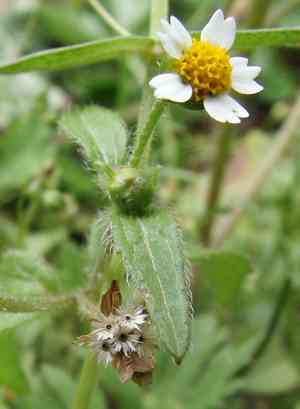
1
Rosilla flourishes optimally in direct sunlight, though it can endure some dappled light.
2
Confirm Rosilla receives a minimum of six hours of sun each day to encourage robust development.
3
Be vigilant for indications of excessive light, like burned foliage, and modify its position as needed.
What Are the Sunlight Requirements for Rosilla?
Preferred Sunlight Exposure
Regarding sun exposure, Rosilla thrives in full sun. This vibrant plant flourishes with abundant natural light. Ideally, Rosilla should receive direct sunlight for most of the day. However, it possesses some adaptability and can reasonably endure partial shade.
Ideal Daily Light Duration
For optimal development, Rosilla needs at least 6 hours of sunlight daily. This duration is crucial for its photosynthesis, supporting its overall health and blooming potential. If your garden spot lacks full six hours, ensure Rosilla gets the brightest available light.
Effects of Different Sunlight Levels on Rosilla
Full Sun: Pros and Cons
Full sun exposure offers many benefits for Rosilla. It promotes vigorous growth, vibrant blooms, and general plant vitality. However, continuous intense sunlight can sometimes cause leaf scorching or dehydration. Adequate watering and occasional afternoon shade can mitigate these risks.
Partial Shade: Pros and Cons
Rosilla can adapt to partial shade, though it might not flower as profusely as in full sun. The benefit of partial shade is a reduced risk of sunburn and less need for frequent watering. Conversely, excessive shade can lead to leggy growth and fewer blossoms.
Low Light Conditions: What to Expect
In low light, Rosilla struggles to flourish. It may show signs of stress like stunted growth, pale foliage, and minimal flowering. If grown indoors or in an area with limited natural light, consider using artificial grow lights to ensure sufficient illumination.
Best Practices for Optimizing Sunlight for Rosilla
Choosing the Right Spot in Your Garden
Selecting the ideal location for your Rosilla involves ensuring it receives maximum sunlight. This means planting it in an open area where it can bask in the sun for at least 6 hours daily. Avoid spots with dense shade or overshadowing by taller plants.
Seasonal Sunlight Adjustments
The amount of sunlight your Rosilla receives can change with the seasons. In summer, the sun is stronger and lasts longer, which is perfect for sun-loving plants. During shorter winter days, consider moving your Rosilla to a sunnier location or indoors near a bright window.
Using Artificial Light Sources
Artificial grow lights can be an excellent solution for maintaining healthy Rosilla growth in low light or during winter. Use full-spectrum LED grow lights, positioning them 12-18 inches (30-45 cm) above the plant. Aim to mimic natural sunlight by providing light for 12-16 hours daily.
Common Sunlight-Related Issues in Rosilla and How to Address Them
Symptoms of Overexposure to Sunlight
Excessive sunlight can cause leaf scorch, where leaves turn yellow or brown and dry out. To counter this, ensure Rosilla is well-watered and consider providing partial shade during the day's hottest hours using a garden umbrella or shade cloth.
Identifying and Remedying Sun Deprivation
If Rosilla isn't getting enough light, it might become leggy, with elongated stems and sparse leaves. The plant will also produce fewer flowers. Address this by moving the plant to a brighter area or introducing supplemental lighting.



