Enhancing Your Garden Design with the Rosilla Plant: A Landscaping Guide
1
Rosilla offers vivid hues and distinct textures, elevating the aesthetic charm of any garden.
2
Incorporating Rosilla into your garden aids local fauna, fostering environmental equilibrium.
3
Rosilla is adaptable and easy to care for, making it a superb option for both beginner and seasoned gardeners.
Exploring Rosilla's Visual Charm
Appearance: Hues and Textures
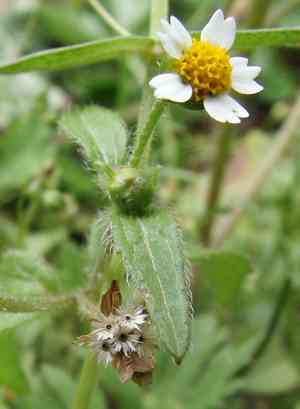
A key attribute of Rosilla is its vivid colors and distinct textures. Its blossoms offer a burst of color that captures attention and enlivens any outdoor space. Furthermore, the feel of Rosilla's leaves adds depth and intrigue, enhancing its overall look. Whether positioned in the foreground or background, Rosilla establishes an engaging visual dynamic that attracts the eye and complements other garden flora.
Seasonal Adaptations: Environmental Responsiveness
Rosilla adjusts remarkably to changing seasons, making it a dependable option for maintaining an attractive garden throughout the year. In spring and summer, Rosilla flowers brightly, adding a splash of color to your landscape. As seasons shift, the plant's foliage may adopt different shades, offering a continuous display of seasonal beauty. This adaptability ensures your garden remains captivating regardless of the time of year.
Plant Pairings: Achieving a Unified Look
Crafting a harmonious garden aesthetic involves selecting plants that complement each other, and Rosilla excels here. Its colors and textures blend well with various other plants, making it an excellent addition to diverse garden settings. Whether combined with flowering plants for a vibrant display or with more subdued greenery for a balanced look, Rosilla elevates the overall aesthetic and helps create a cohesive garden appearance.
Integrating Rosilla into Various Garden Styles
Formal Gardens: Symmetrical Layouts
Formal gardens frequently rely on symmetry and structured design. Rosilla fits perfectly into these arrangements with its capacity for organized planting. By positioning Rosilla uniformly along paths or in symmetrical beds, you can maintain the neatness and order characteristic of formal gardens. The plant's consistent blooms and structured form contribute to an elegant and refined garden style.
Cottage Gardens: Highlighting Charm and Diversity
For those who favor a cottage garden style, which emphasizes charm, variety, and a somewhat wild appearance, Rosilla provides an ideal solution. Its colorful flowers and varied textures blend well with the eclectic mix of plants typical in cottage gardens. Planting Rosilla among other vibrant blooms and lush foliage adds to the garden's whimsical and relaxed charm, creating a beautiful, lively space.
Contemporary Gardens: Rosilla in Minimalist Designs
Contemporary gardens often feature minimalist designs focusing on simplicity and clean lines. Rosilla can be a striking element in these gardens by providing a focal point without overwhelming the space. Its vibrant flowers contrast nicely against the minimalist backdrop, and its manageable size and clean texture fit well within a modern, streamlined aesthetic.
Advantages of Selecting Rosilla for Landscaping
Low Maintenance: Effortless Care and Resilience
A primary benefit of Rosilla is its low-maintenance nature. This plant requires minimal attention, making it perfect for busy gardeners or novices. Rosilla is robust and adaptable to various soil conditions, thriving with regular, moderate watering. Its resistance to pests and diseases further enhances its ease of care, allowing for a beautiful garden feature with little effort.
Attracts Wildlife: Supporting Local Ecosystems
Rosilla isn't just beneficial for your garden; it's excellent for local ecosystems too. This plant draws in various helpful insects, such as bees and butterflies, which are vital for pollination. By incorporating Rosilla into your garden, you're supporting these important wildlife populations, which in turn helps maintain ecological balance and promotes a healthy garden environment.
Landscaping Versatility: Ground Cover vs. Centerpiece
Rosilla is incredibly adaptable in landscaping applications. It can be utilized as a ground cover to create a lush, colorful carpet that reduces weed growth and conserves soil moisture. Alternatively, Rosilla can serve as a focal point in garden beds or containers, drawing attention and adding visual interest. This versatility makes Rosilla a valuable plant for various garden designs and purposes.
Key Advice for Planting and Arranging Rosilla
Choosing the Ideal Spot: Sunlight and Soil
For optimal growth, Rosilla needs to be planted in the right location. Select a spot in your garden that receives ample sunlight, as Rosilla prefers full sun to partial shade. The soil should drain well to prevent waterlogging, which can harm the plant. Amending the soil with organic matter can also encourage healthier growth.
Spacing and Grouping: Maximizing Visual Impact
Proper spacing and grouping are crucial for maximizing Rosilla's visual impact. Space the plants adequately to allow for air circulation and room to growâtypically about 12 to 18 inches apart. Grouping the plants in clusters can create a bold and dynamic display, enhancing their visual appeal and making a stronger statement in your garden.
Color Combinations: Enhancing Visual Appeal
When arranging Rosilla in your garden, consider combining its colors with other plants to enhance visual appeal. Pairing Rosilla with contrasting colors can create stunning visual effects, while complementary colors can provide a harmonious and cohesive look. Playing with different color combinations helps you create a garden that is both beautiful and uniquely yours.



