How to Prune Rosilla?
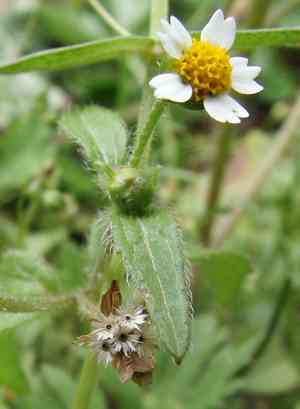
This enduring wild bloom, distinguished by its daisy-like blossoms, flourishes with consistent trimming. For rosilla, snip off faded flowers to foster uninterrupted flowering. Spring pruning revitalizes development, whereas summer shaping preserves its form and dimensions. Autumn tidying readies rosilla for its winter rest, eliminating deceased or ailing leaves. Trimming not only stimulates fresh growth and floral production but also enhances air movement and the plant's well-being. The most effective pruning times span from spring to autumn, aligning with periods of vigorous development.
What Are the Benefits of Pruning Rosilla?
What Are the Benefits of Pruning Rosilla?
Trimming rosilla encourages robust development by fostering the emergence of new, healthy stems. Consistent shaping maintains its desired form, ensuring rosilla remains visually appealing in the garden.
What Is the Best Time for Pruning Rosilla?
What Is the Best Time for Pruning Rosilla?
Pruning rosilla is best done in Spring and Fall, as these periods align with its natural growth cycle and prepare it for flowering or dormancy. In Spring, after the last frost, pruning can stimulate new growth, giving the plant shape and vigor before the blooming season. Removing spent flowers in Summer can encourage more blooms, but heavier pruning should wait until Fall when the plant starts to go dormant, reducing stress and disease risk. Fall pruning also helps maintain the plant's size and removes any dead or diseased foliage, preparing rosilla for winter and ensuring a healthy start next growing season.
What Tools Do I Need to Prune Rosilla?
Hand Pruners
Perfect for making clean cuts on rosilla stems, as they easily handle typical stem thickness and allow for precise trimming.
Pruning Shears
Useful for shaping rosilla and removing faded blooms to promote further flowering and maintain plant vitality.
Garden Gloves
Protect hands from potential irritants on rosilla's leaves during pruning.
Pruning Saw
For larger, more mature rosilla specimens, a pruning saw might be needed to cut through thicker, woodier stems.
Loppers
Use for reaching into the center of rosilla clumps to remove older, woody stems and for cutting back the plant during dormancy with greater leverage and control.
How to Prune Rosilla
Sanitation
Ensure all pruning tools are clean and disinfected before starting to prune rosilla to prevent disease transmission.
Remove Withered Leaves
Carefully inspect rosilla and remove any dried or dead leaves by snipping them at their base where they meet the stem or branch. Use sharp, clean secateurs or scissors for a precise cut.
Thinning
Thin out congested areas where leaves are clustered, to improve air circulation and lessen disease risk. Cut where the leaf stem joins the main plant, being careful not to harm adjacent healthy tissue.
Shaping
Lightly shape the rosilla if needed, by selectively trimming to maintain its natural form. Avoid excessive cutting, as this can stress the plant.
Cleanup
Gather and dispose of all pruned material to maintain good garden hygiene and reduce potential sources of pests or disease around rosilla.
Common Pruning Mistakes with Rosilla
Overpruning
Removing too much foliage from rosilla at once can shock the plant, potentially leading to reduced vigor or even plant death. Aim to remove only what is necessary to control size and shape, and to promote healthy growth.
Improper Cut Locations
Cutting rosilla in the wrong place can result in damage to the plant's natural growth pattern and inhibit the production of flowers. Always make cuts just above a set of leaves or a node.
Using Dull Tools
Pruning rosilla with dull or dirty tools can create jagged cuts that are more susceptible to disease and pests. Always use sharp, clean pruning tools.
Pruning Without A Plan
Approaching pruning of rosilla without a clear plan can result in an uneven appearance and may harm the plant's health. Consider the desired outcome before making any cuts.
Common Pruning Tips for Rosilla
Selective Thinning
Thin out rosilla's crowded stems to improve air circulation and light penetration, which are essential for the health and flowering of the plant. Remove only the necessary stems to avoid over-thinning.
Maintenance Pruning
Regularly remove dead or damaged stems from rosilla to maintain plant health and aesthetics. This encourages new growth and can help to prevent the spread of disease.
Encourage Bushiness
Prune rosilla by cutting back leggy stems to a side shoot or bud. This will encourage the plant to develop a bushier growth habit with more flowers.
Cutting Back After Flowering
Once rosilla has finished blooming, cutting the plant down to the base foliage can stimulate a second bloom in some cases and will help preserve the plant's energy for the coming season.



