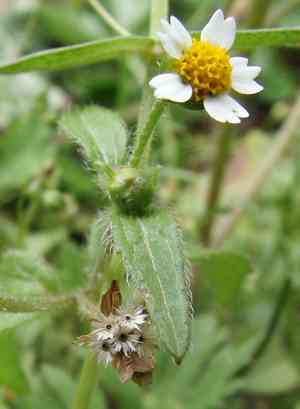
Rosilla (Helenium puberulum)
Also known as: None
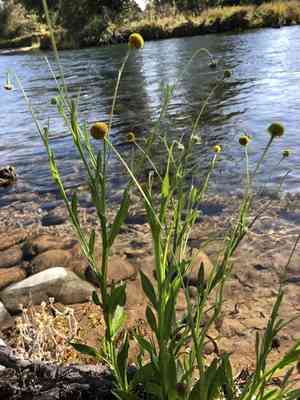
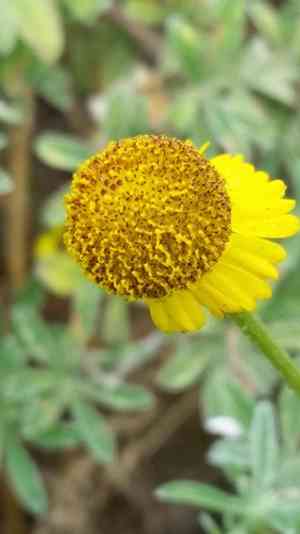
Helenium puberulum, commonly known as rosilla, is most commonly found in wetland areas and along streams in California and Baja California. The flowers initially bloom in a bright yellow color. This plant attracts a variety of pollinators, including butterflies and birds such as goldfinches, making it an important species for local ecosystems.
In This Article
Attributes of Rosilla
Lifespan
Annual, Perennial
Plant Type
Herb
Plant Height
1.6 m
Spread
60 cm
Leaf Color
Green
Flower Size
9 mm to 1.9 cm
Flower Color
Yellow Red Brown
Images of Rosilla
Quickly Identify Rosilla
1
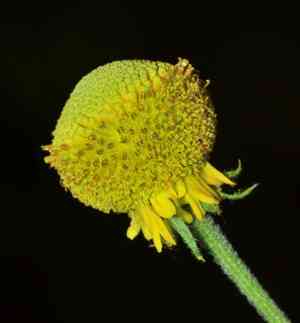
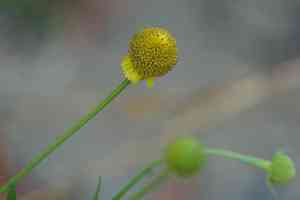
Look for a tall, erect plant with hairy stems and lance-shaped leaves. The flower heads are typically yellow with distinctive, rounded, darker central discs.
Scientific Classification of Rosilla
Phylum
Vascular plants
Class
Dicotyledons
Order
Asterales
Family
Daisy
Genus
Sneezeweeds
Species
Rosilla
Planting and Growing of Rosilla
Care Difficulty
Easy
Watering Schedule
Every 4 days
Sunlight Requirements
Full sun
Sunshine Duration
4-8 hours
Ideal Temperature
65-75℉
Soil Type
Potting Mix, Peat Mix
Soil pH
6.5-7.5
Fertilizer Type
Balanced
Pruning Season
Spring, Summer
Pruning Area
Branches, Leaves
Pruning Frequency
2 times a year
Repotting Season
Spring
Pot Type
Plastic, Ceramic
 How to Water Rosilla?
Helenium puberulum prefers consistent moisture without sitting in water. Watering should ensure the soil remains evenly moist, allowing the top layer to dry slightly between watering sessions to prevent overwatering.
What are the symptoms of an underwatered Rosilla?
›
What should I do if my Rosilla is not getting enough water?
›
What are the symptoms of an overwatered Rosilla?
›
How to save an overwatered Rosilla?
›
 What Are the Sunlight Requirements for Rosilla?
Preferring full to partial sun, Helenium puberulum performs best with ample sunlight. This environment encourages robust flowering, vigorous growth, and resilience, allowing the plant to establish healthily and remain attractive throughout its cycle.
More About Sunlight Requirements Techniques→
How much sunlight does Helenium puberulum require?
›
What if my location doesn't offer enough full sun?
›
How can I maintain ideal sunlight exposure indoors?
›
 What Is the Ideal Temperature Range for Rosilla?
The ideal temperature range for growing Helenium puberulum is between 65°F and 75°F. This temperature range provides the best conditions for the plant to thrive, offering optimal growth and flowering. Keeping the plant within this range ensures that it can photosynthesize effectively, maintain healthy metabolic functions, and utilize nutrients efficiently.
 What Soil is Best for Rosilla?
Helenium puberulum thrives in nutrient-rich soils that can support its vigorous growth. Ensuring the soil is abundant in organic matter, like compost or well-rotted manure, enhances its flowering potential, leading to a more vibrant and lush bloom. The plant prefers well-draining soils to prevent root rot. Amending the planting base with sand or fine gravel can improve drainage, ensuring the roots are not waterlogged, thus promoting healthy root development and longevity. While well-draining, the soil should also retain adequate moisture. Loamy soil strikes a good balance. This ensures the plant has enough water during dry spells without experiencing stress, which is vital for maintaining its upright and bushy appearance.
 How to Fertilize Rosilla?
Helenium puberulum prefers a balanced fertilizer with a ratio like 10-10-10. Apply liquid fertilizer diluted at half the recommended strength. Avoid over-application to prevent root burn and other adverse effects.
 How to Prune Rosilla?
Begin by removing any dead or diseased stems. Cut back any old flower heads to promote new blooms. Trim approximately one-third of the plant to encourage bushier growth and increase airflow, which prevents diseases. Shape your Helenium puberulum by removing selective taller stems to maintain a round and compact form. This will not only improve its appearance but also keep the plant healthy by allowing sunlight to reach all parts. After pruning, keep an eye on your Helenium puberulum for signs of distress or disease. It's essential to adjust watering and fertilization as new growth appears, ensuring the plant remains vigorous.
More About Pruning Techniques→
 How to Propagate Rosilla plant?
1
Start by soaking the seeds in water for 24 hours to soften the seed coat. This improves germination rates by allowing the seeds to absorb moisture more effectively.
2
Select healthy, non-flowering stems for cuttings. Cut 4-6 inches of stem just below a node. Remove the lower leaves to leave only the topmost pair of leaves.
3
When dividing plants in early autumn, ensure you've dug around the root zone carefully. Use a sharp spade to separate the clumps, and replant the divisions promptly.
 How to Repot Rosilla plant?
1
Helenium puberulum should be repotted when you notice the roots starting to grow through the drainage holes or form a dense root ball. This plant thrives when given the space to grow, so look out for slower growth, which indicates it's time to repot. Ideally, repot in spring or early summer when the plant is actively growing.
2
Select a pot that is one size larger than the current one and has adequate drainage holes. This is crucial because it prevents waterlogging, which can lead to root rot. A slightly larger pot will also provide the plant roots with new space to expand, promoting healthier growth over time.
3
Opt for a well-draining loamy mix that retains necessary moisture yet doesn’t stay soggy. This mix supports the plant's roots by allowing excess water to escape while holding enough nutrients and moisture to keep Helenium puberulum growing vigorously. The right soil ensures enhanced root aeration and health.
Toxicity
Ingestion
WARNING
The judgment on toxicity and danger is for reference only. We DO NOT GUARANTEE any accuracy of such judgment. Therefore, you SHALL NOT rely on such judgment. It is IMPORTANT TO SEEK PROFESSIONAL ADVICE in advance when necessary.



