How to Propagate Rosilla?
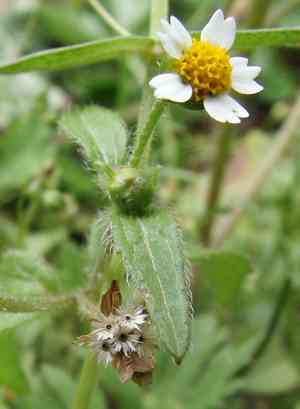
Rosilla is a perennial plant recognized for its vivid blooms and simple maintenance. To successfully propagate, gather seeds while the plant is inactive and plant them once the final frost has passed. Confirm their placement in soil that drains effectively and receives abundant sunlight. The young plants need moderate hydration to develop a strong root structure. Periodically, separate established clusters to sustain vitality and generate additional specimens.
Optimal Time for Rosilla Propagation
Propagation Method
Seeding
Propagation Period
Spring
Essential Tools for Rosilla Propagation
Seed trays
Seed trays are vital for initiating rosilla seeds indoors or in controlled environments. Their compartments aid in even seed distribution and provide ample space for initial development. This is particularly beneficial for rosilla, enabling young seedlings to establish a strong root system in a protected setting before transplanting, thus increasing survival rates.
Fine-grade vermiculite or sterile seed starting mix
Fine-grade vermiculite or a sterile seed starting mix facilitates proper seed germination by ensuring good air circulation and moisture retention around rosilla seeds. These sterile materials minimize the risk of soil-borne diseases that could harm delicate rosilla seedlings. They also allow for easy transplanting of young plants without root disturbance, promoting stronger establishment in their permanent location.
Watering can with a fine rose
A watering can equipped with a fine rose attachment is crucial for gently irrigating rosilla seedlings. This tool helps maintain adequate soil moisture without dislodging or harming small seeds and emerging seedlings with strong water flow. Such gentle watering supports consistent moisture levels, which is essential for rosilla's germination and initial growth phases.
Grow lights (if indoor propagation)
Grow lights are advantageous if rosilla seeds are started indoors. These lights ensure seedlings receive sufficient illumination for photosynthesis, especially important during periods of limited natural sunlight. Grow lights can be adjusted to mimic natural light conditions, thereby fostering healthier growth and development of rosilla, which can lead to improved vitality when plants are moved outdoors.
Transparent dome or plastic wrap
A transparent dome or plastic wrap can be placed over seed trays to create a miniature greenhouse effect. This setup helps maintain high humidity and stable temperatures, providing an ideal environment for rosilla seeds to germinate. By enclosing the environment, it reduces water loss and the need for frequent watering, which can prevent overwatering of young seedlings.
How to Propagate Rosilla?
Propagation Type
Simple
Caring for Your Newly Propagated Rosilla
Caring for Your Newly Propagated Rosilla
Once rosilla seedlings have developed several true leaf sets, they can be carefully moved into individual pots or directly into the garden if outdoor conditions are suitable. Rosilla thrives in full sun to partial shade and prefers moist, well-drained soil. Regular watering and occasional feeding with a balanced fertilizer will support robust growth. Monitor for pests and diseases and treat as needed to ensure vigorous plants.
Common Propagation Errors to Avoid with Rosilla
Overwatering
Propagating rosilla in excessively wet conditions can lead to root rot and fungal infections. Too much moisture hinders proper root development, ultimately weakening or killing rosilla.
Deep planting
Planting rosilla's seeds or root divisions too deeply can impede their emergence or cause new plants to be too weak. This negatively impacts the survival rate and health of emerging plants.
Ignoring root health
When dividing rosilla, neglecting the health of the roots can result in transplanting diseased or damaged specimens. This significantly reduces the chances of successful propagation.
Tips For Propagating Rosilla
Soil preparation
Prepare well-draining soil enriched with organic matter to support rosilla's growth. This encourages healthy root development and prevents waterlogging.
Root division care
When propagating rosilla via root division, ensure sharp, clean tools are used for cuts. This prevents damage and disease, promoting faster recovery and growth.
Proper depth and spacing
Plant rosilla's seeds or divisions at the correct depth and with adequate spacing. This allows sufficient light and air circulation, crucial for strong growth.



