How to Transplant Flowering grass?
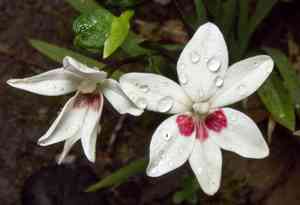
The optimal period for transplanting blooming grasses is in early spring, as the ground becomes warmer and the environment revitalizes. Selecting a location that receives full sun to partial shade and features adequately draining earth guarantees the flourishing of flowering grass after its relocation. Carefully assist its root system in establishing itself in the fresh spot.
What Preparations are Needed Before Transplanting Flowering Grass?
What is the Ideal Time for Transplanting Flowering Grass?
The prime period for relocating flowering grass is during the spring months. This season offers a mild climate, perfect for root establishment without the stress of extreme temperatures. Moving flowering grass at this time aligns with its natural growth cycle, leading to abundant blooms. Embrace this season for a flourishing flowering grass with rich, vibrant flowers, ensuring your transplanting efforts are met with delightful success!
How Much Space Should You Leave Between Flowering Grass Plants?
Start your gardening endeavor by clearing a well-lit area where each flowering grass can be spaced approximately 1-2 feet (30.48-60.96 cm) apart. This ensures they have ample room to grow without overlapping or becoming overcrowded.
What is the Best Soil Mix for Flowering Grass Transplanting?
Next, prepare a well-drained soil, ideally a loam or sandy loam, enriched with a base of organic compost or well-rotted manure. This will provide flowering grass with the essential nutrients they need to flourish.
Where Should You Relocate Your Flowering Grass?
Finally, select a transplanting location where flowering grass can receive full sun to partial shade. An area with morning sun and afternoon shade is typically optimal!
What Equipments Should You Prepare Before Transplantation Flowering Grass?
Gardening Gloves
To safeguard your hands while handling soil and flowering grass.
Shovel or Spade
To excavate an appropriate hole for the flowering grass in its new spot and remove it from its original location.
Garden Trowel
For smaller, precise tasks such as adjusting the plant's position within the hole.
Watering Can
To hydrate the flowering grass both before and after transplantation.
Mulch
To provide a protective layer for the newly planted flowering grass.
How Do You Remove Flowering Grass from the Soil?
How Do You Remove Flowering Grass from the Soil?
From Ground: Begin by watering the flowering grass plant to moisten the soil, making it easier to dig and protect the roots. Use your shovel or spade to create a circular trench around the plant, ensuring it's wide enough to encompass the plant's entire root system. Gently lift the plant by prying beneath the root ball with the spade.From Pot: Water the flowering grass in its container first. Then, turn the pot sideways and gently pull the base of the plant, encouraging it to slide out. If it resists, roll the pot between your hands and try again.From Seedling Tray: Water the seedlings first. Then, using a thin stick or your fingers, gently push the soil from below to loosen the seedling. It's crucial to handle seedlings by their leaves, not their stem. Also, include as much root as possible when removing it.
Step-by-Step Guide for Transplanting Flowering Grass
Digging
Use your shovel or spade to excavate a hole in the new location. The hole should be twice as wide and just as deep as the root ball of the flowering grass. Leave a mound of soil nearby.
Placement
Position the flowering grass in the hole, spreading out its roots. The top of the root ball should be level with the ground surface.
Backfilling
Refill the hole with the soil you dug out. Use your hands or the trowel to firm the soil around the base of the plant.
Watering
Water the flowering grass generously immediately after transplanting.
Mulching
Apply a layer of mulch around the base of the plant, leaving a small gap directly surrounding the stem.
How Do You Care For Flowering Grass After Transplanting?
Periodic Watering
In the initial weeks following transplanting the flowering grass, ensure the soil remains slightly moist. It's crucial that the roots do not dry out before they have a chance to establish.
Observing
Monitor the plant for any indications of transplant shock such as wilting, yellowing, or dropped leaves. If you observe any of these symptoms, try increasing watering and shade coverage.
Pruning
If your flowering grass plant has any dead or dying flowers, consider trimming them back to redirect energy towards root development and overall plant health.
Troubleshooting Common Issues with Flowering Grass Transplantation.
When should I transplant my flowering grass?
You should transplant flowering grass between late winter and early spring. This allows them sufficient time to establish before the growing season.
What distance should I maintain between two flowering grass plants when transplanting?
For optimal growth, leave a space of about 1-2 feet (30-60 cm) between each flowering grass. This provides them with adequate room to spread and grow.
Does flowering grass have any special soil requirements for transplanting?
Flowering grass prefers well-draining soil. So, during transplanting, ensure the soil is light and drains effectively to prevent root rot.
How deep should the hole be when transplanting flowering grass?
The hole should be deep enough to cover the root ball of flowering grass. Generally, 10 inches (25 cm) depth is ideal for young plants.
How do I prepare the flowering grass for transplantation?
Before transplanting flowering grass, water the plant thoroughly. This will help the roots slide out of the existing pot without 'shock', which promotes a smoother transplantation process.
What should I do if my transplanted flowering grass isn't growing well?
Ensure your flowering grass is receiving sufficient sunlight and water, and that the soil is well-draining. If growth issues persist, consider adding some compost to provide additional nutrients.
How much water does flowering grass need after transplanting?
After transplanting, water your flowering grass thoroughly, and then keep the soil moderately moist. However, refrain from overwatering to avoid waterlogging and root rot.
Should I use fertilizer after transplanting flowering grass?
Yes, once transplanted, feed your flowering grass with a slow-release, high potash (potassium) fertilizer. This will promote blooming and ensure healthier plants.
Do I need to prune flowering grass after transplantation?
There's no need for immediate pruning after transplanting flowering grass. However, prune dead or wilting leaves once the plant starts to establish itself to encourage new growth.
Can I transplant flowering grass indoors?
Yes, you can. As long as flowering grass gets plenty of sunlight indoors and the temperature does not drop below freezing, it will thrive. Make sure the pot has adequate drainage, too.



