How Much Sunlight Do Flowering grass Need?
1
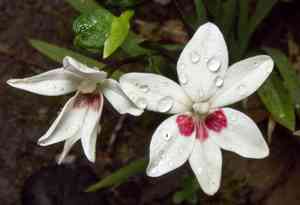
Flowering grass flourishes optimally in bright sunlight, receiving more than 6 hours of direct sun each day.
2
Make sure your Flowering grass receives sufficient sunlight in colder months by optimizing light through clear windows.
3
Employ shade covers during the hottest part of summer to shield Flowering grass from excessive warmth and illumination.
Optimal Light Conditions for Flowering grass
Full Sun vs. Partial Sun
Regarding light needs, Flowering grass thrives in full sun, meaning it should get over 6 hours of direct sunlight daily. However, it can endure partial sun, which offers about 3-6 hours of direct light. While it adapts to less light, full sun guarantees stronger growth and vivid blooms.
Sunlight Duration
The length of sun exposure is vital for maintaining Flowering grass's health and vigor. Aim to provide your plant with at least 6 hours of direct sunlight each day. In areas with extended summer days, consider offering some afternoon shade to prevent leaf burn and water stress.
Recognizing Proper Light Exposure
Signs of Insufficient Sunlight
Identifying signs of inadequate sunlight can help you adjust your Flowering grass's location. Symptoms include stretched or spindly growth, pale or yellowing foliage, and reduced blooming. If these appear, it signals your plant isn't getting enough light.
Signs of Excess Sunlight
Conversely, too much sunlight can also harm Flowering grass. Look for indicators like scorched or bleached leaves, crispy leaf edges, and wilting during the day's hottest period. If these symptoms are present, it might be time to shield it from intense afternoon sun.
Modifying Sunlight Exposure for Flowering grass
Utilizing Shade Cloth or Netting
To regulate the amount of sunlight Flowering grass receives, especially in summer, consider using shade cloth or netting. This material can lessen sun exposure and reduce heat stress, ensuring your plant remains healthy without overexposure.
Relocating Your Plant
Another effective method to alter sunlight exposure is to move your Flowering grass to a more suitable spot. If it's struggling with too much sun, reposition it to get morning light and afternoon shade. Conversely, if it lacks light, place it where it receives consistent, direct sunlight.
Employing Reflective Surfaces
If relocating your plant is not an option, use reflective materials like white walls or aluminum foil around your Flowering grass. These surfaces can help direct more light onto the plant, boosting its exposure without needing to move it.
Seasonal Light Considerations
Winter Sunlight Needs
During winter, sunlight is typically weaker and available for shorter periods. Ensure your Flowering grass gets maximum light by placing it near south-facing windows and keeping panes clean to optimize light penetration.
Summer Sunlight Adjustments
In summer's heat, intense sunlight can stress your Flowering grass. Consider providing midday shade with shade cloths or by moving the plant to a spot with partial sun during peak hours to prevent overheating and dehydration.
Spring and Fall Sunlight Variations
In spring and fall, changing sun angles and daylight hours also impact your plant. During these seasons, ensure your Flowering grass continues to receive sufficient light by adjusting its position as needed or using reflective surfaces to enhance light.
Sunlight and Flowering grass Growth Stages
Sunlight for Seedlings
Flowering grass seedlings require ample light to develop strong roots and robust growth. Ensure they receive plenty of sunlight, ideally in a south-facing window or under grow lights for about 12-14 hours daily to mimic optimal growing conditions.
Sunlight for Mature Plants
As Flowering grass matures, it still needs significant light but can tolerate slightly less direct sun. Aim for at least 6 hours of sunlight to maintain strong, vibrant growth. Adjust its position throughout the year to match its needs.
Sunlight During Flowering Phase
During its blooming period, Flowering grass needs abundant light to produce numerous, high-quality flowers. Ensure it continues to receive full to partial sun, making adjustments as necessary to encourage the best flowering outcomes.



