How to Prune Flowering grass?
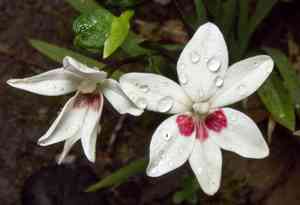
A perennial herbaceous bulb, flowering grass exhibits fragile, vibrant blossoms. Effective trimming entails eliminating faded flowers and discolored foliage to stimulate fresh development. The ideal period for trimming is post-flowering, generally in spring or summer, followed by foliage reduction in autumn as it naturally recedes. Trimming this plant guarantees a neat look and can revitalize the subsequent blooming phase, fostering vigorous well-being. Trimming precautions involve sanitizing instruments to avert pathogen spread, and making cuts near the base without harming the bulbs.
What Are the Benefits of Pruning Flowering Grass?
What Are the Benefits of Pruning Flowering Grass?
Trimming flowering grass promotes a more robust and vibrant display of blooms, stimulates vigorous growth ensuring a healthy life cycle, and maintains an aesthetically pleasing shape for both visual appeal and garden symmetry.
What Is the Best Time for Pruning Flowering Grass?
What Is the Best Time for Pruning Flowering Grass?
Trimming flowering grass during late spring to early summer is ideal, coinciding with the post-blooming period. Pruning in late spring allows removal of spent flowers, which encourages a healthy growth cycle and may promote a second bloom in climates where flowering grass remains actively growing. It also helps maintain the plant's shape and size. Avoiding pruning in fall is essential to prevent stimulating new growth that might be susceptible to upcoming winter cold. Pruning during the active growth phase in spring and summer ensures that flowering grass has enough time to recover and strengthen before entering dormancy in the colder months.
What Tools Do I Need to Prune Flowering Grass?
Sharp Hand Pruners
Ideal for precise trimming of delicate flowering grass flowers and stems.
Pruning Snips
Best for deadheading flowering grass and maintaining plant shape without damaging nearby stems.
Gardening Gloves
Protects hands from thorns and sharp edges while handling flowering grass.
Cleaning Cloth and Alcohol
For sterilizing tools between cuts to prevent disease spread in flowering grass.
How to Prune Flowering Grass
Cleaning Tools
Before starting the pruning process for flowering grass, sterilize your pruning shears or scissors to prevent the spread of disease. A solution of 1-part bleach to 9-parts water can be used to disinfect the tools.
Remove Diseased Leaves
Carefully examine flowering grass for any signs of disease. Use the sanitized shears to trim away diseased leaves, making cuts at the base of the affected areas without harming healthy tissue.
Trim Withered Leaves
Identify withered leaves on flowering grass that have completed their life cycle. Gently prune these leaves at the point where they meet the stem, taking care not to damage new growth or buds.
Deadhead Flowers
Once the blossoms of flowering grass have faded and withered, itâs essential to deadhead the flowers. Snip the flower stem just above the nearest set of healthy leaves to encourage further blooming and vitality.
Disposal Cleanup
Dispose of all removed material from flowering grass immediately to minimize the risk of diseases or pests. Clean and sterilize your pruning tools once again, and clear the area around the plant to maintain a tidy garden space.
Common Pruning Mistakes with Flowering Grass
Overpruning
Reducing too much of flowering grass's foliage or flower stems can stress the plant, hindering its growth and flowering potential.
Improper Tool Usage
Using dull or unclean cutting tools can damage flowering grass's stems, leaving them susceptible to disease and pests.
Ignoring Dead Or Diseased Material
Failing to remove dead or diseased leaves and stems can impede flowering grass's growth and spread disease.
Cutting Too Close Or Too Far From The Base
Incorrect cutting distance when pruning can either harm the plant's base or leave unsightly stubs that do not heal properly.
Pruning During Active Growth
Removing live stems while flowering grass is growing can disrupt its natural growth cycle and reduce flowering.
Common Pruning Tips for Flowering Grass
Sharp Tools
Use sharp, sterilized pruning shears to make clean cuts that promote quicker healing and minimize disease risk.
Selective Thinning
Thin out overcrowded areas to increase air circulation and light penetration, which is vital for flowering grass's health and blooming.
Removal Of Spent Blooms
Deadheading, or removing spent flowers, encourages flowering grass to produce more blooms and redirects energy to healthy growth.
Shape Maintenance
Trim flowering grass gently to maintain a desired shape and size, which helps in creating an attractive display without sacrificing the plant's health.
Disposing Of Debris
Always remove and dispose of any pruned material, especially if it contains diseased or dead tissue, to reduce the risk of disease spreading.



