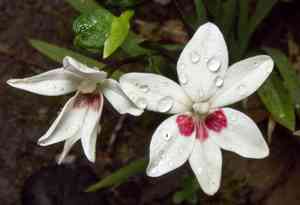
Flowering grass (Freesia laxa)
Also known as: Woodland painted petals
Red Fountain Grass (Pennisetum setaceum 'Rubrum') is a decorative grass native to eastern and southern Africa. It is commonly cultivated in gardens for its ornamental value.
In This Article
Attributes of Flowering grass
Lifespan
Perennial
Plant Type
Herb
Plant Height
15 cm to 35 cm
Spread
20 cm
Leaf Color
Green
Flower Size
2 cm
Flower Color
Red White Orange Pink
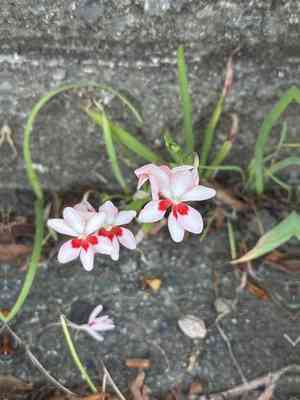
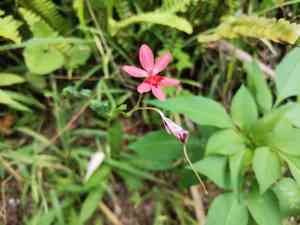
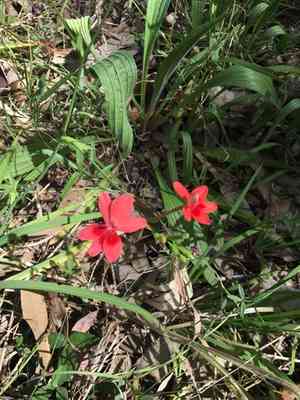
Images of Flowering grass
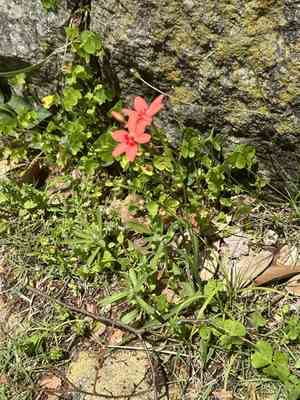
Quickly Identify Flowering grass
1
Freesia laxa can be identified by its small, lanceolate leaves and star-shaped flowers with six tepals. The flowers come in various colors including red, pink, and white, often with contrasting markings.
Scientific Classification of Flowering grass
Phylum
Vascular plants
Class
Monocotyledons
Order
Asparagales
Family
Iris
Genus
Freesia
Species
Flowering grass
Planting and Growing of Flowering grass
Care Difficulty
Easy
Watering Schedule
Every 3 days
Sunlight Requirements
Partial sun
Sunshine Duration
4-8 hours
Ideal Temperature
65-75℉
Soil Type
Potting Mix, Peat Mix
Soil pH
6-7.5
Fertilizer Type
Balanced
Pruning Season
Spring, Summer
Pruning Area
Branches, Leaves
Pruning Frequency
2 times a year
Repotting Season
Spring
Pot Type
Plastic, Ceramic
 How to Water Flowering grass?
Freesia laxa thrives with a moderate watering approach. Water until the soil is evenly moist but not waterlogged. Stick to approximately 200ml per watering to ensure the soil is consistently damp without causing any standing water.
What are the symptoms of an underwatered Flowering grass?
›
What should I do if my Flowering grass is not getting enough water?
›
What are the symptoms of an overwatered Flowering grass?
›
How to save an overwatered Flowering grass?
›
 What Are the Sunlight Requirements for Flowering grass?
Freesia laxa thrives in partial sun to full sun. Ideal lighting promotes vibrant flowering, healthy growth, and enhances its natural beauty and resilience.
More About Sunlight Requirements Techniques→
What is the best location for Freesia laxa?
›
How can I ensure Freesia laxa gets the right amount of light?
›
What are the benefits of ideal light conditions for Freesia laxa?
›
 What Is the Ideal Temperature Range for Flowering grass?
For optimal growth, Freesia laxa thrives in temperatures ranging from 65 to 75°F. These conditions allow the plant to carry out photosynthesis effectively while maintaining healthy respiration rates. This temperature range also supports robust flower production, which is key for both aesthetic appeal and botanical purposes.
 What Soil is Best for Flowering grass?
Freesia laxa requires well-drained soil to prevent waterlogging, which can lead to root rot. Ensuring good drainage helps maintain healthy root systems and promotes vibrant blooms. The plant thrives in moderately fertile soil, which provides essential nutrients without overwhelming the root system. This balance is crucial for steady growth and prolific flowering. Freesia laxa prefers soil with a pH between 6.0 and 7.5, allowing optimal nutrient uptake. Maintaining this pH range enhances the plant's overall health and flowering potential.
 How to Fertilize Flowering grass?
Freesia laxa requires a balanced nutrient supply to thrive, ensuring vibrant bloomer and healthy foliage. Use a balanced 10-10-10 liquid fertilizer, diluted to half strength, applied every two weeks during the growing season. For slow-release pellets, use sparingly and follow the manufacturer’s instructions, typically needing 1 tablespoon per square foot every four months.
 How to Prune Flowering grass?
Begin by examining the plant for any wilting or discolored parts. Gently remove these with your shears, cutting at a 45-degree angle close to the stem base. Focus on areas where leaves are overcrowded to enhance light penetration and air circulation. After pruning, water the plant lightly to support recovery. Once a bloom finishes, you should deadhead by cutting back the flower stalks, which prevents seed formation and encourages the plant to direct its energy towards producing new blooms. Be gentle to avoid crushing the delicate stems.
More About Pruning Techniques→
 How to Propagate Flowering grass plant?
1
Begin by collecting mature seeds from the plant. Clean the seeds by removing any attached plant material and debris. Soak them in lukewarm water for 24 hours to enhance germination rates.
2
Fill the seed trays with the potting mix and evenly distribute the seeds on the surface. Lightly cover the seeds with a thin layer of potting mix and water gently to settle them in place.
3
Once seedlings have developed a couple of true leaves, they are ready for transplanting. Carefully extract them from the seed tray and plant them in individual pots or the garden bed during early spring.
 How to Repot Flowering grass plant?
1
It's time to repot Freesia laxa when you notice the roots start peeking out of the drainage holes or when the growth seems stunted. Another good indicator is when the potting mix starts degrading and appears compacted, as it can impede proper drainage and air circulation. Repotting during these periods helps ensure that your plant continues to thrive with fresh nutrients and space.
2
Choose a pot that's one size up from the current one, ideally only a couple of inches wider in diameter. It should have ample drainage holes to prevent waterlogging, as Freesia laxa requires good airflow around the roots. A slightly larger pot will comfortably accommodate root growth without excess soil that could lead to moisture retention issues, making it a practical and healthy choice for your Freesia.
3
Use a well-draining potting mix, ideally one that's sandy or gritty to ensure excess water can easily escape. This type of soil mimics Freesia laxa's natural environment and helps to prevent root rot, providing the roots with enough air while maintaining the right moisture levels.
Learn More About Flowering grass Diseases
Bacterial Leaf Spot
Bacterial Soft Rot
Bacterial Wilt
Chemical Injury
Crown Gall
Cyst Nematode
Damping-off
Downy Mildew
Drought Stress
Fusarium Wilt
Gray Mold
Leaf Spot
Mosaic
Nutrient Deficiency
Nutrient Toxicity
Powdery Mildew
Root Rot
Root-knot Nematode
Rusts
Sooty Mold
Spider Mites
Temperature Stress
Thrips Damage
White Mold



