Enhancing Your Garden Design with the Flowering grass Plant: A Landscaping Guide
1
Blooming grass offers a lively burst of hue and serves to accentuate particular garden zones.
2
Perfect for both classic and contemporary garden designs, Blooming grass is adaptable and simple to integrate.
3
Strategic placement and complementary planting can optimize Blooming grass's visual appeal and functional advantages.
Appreciating the Visual Charm of Flowering Grass
The Distinctive Visual Qualities of Flowering Grass
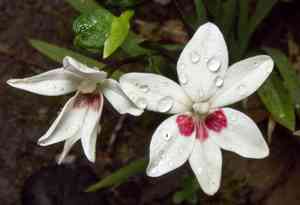
A key characteristic of Flowering Grass is its striking and captivating visual appeal. This plant features slender, grass-like leaves that impart a soft, flowing texture to garden beds. During its bloom period, it produces delicate, star-shaped blossoms, adding a charming and somewhat whimsical look. Its consistent growth habit makes it ideal for establishing symmetry and balance in any landscape.
Color Spectrum and Bloom Period
The color range of Flowering Grass significantly enhances its allure. It typically displays hues from red to blue, introducing a varied visual interest to garden areas. This wide array makes it a suitable partner for numerous other plants. Furthermore, its flowering season spans from late spring to early summer, ensuring an extended period of lush beauty in the garden.
Landscape Themes Enhanced by Flowering Grass
Many landscape themes can be elevated by incorporating Flowering Grass. For instance, it integrates perfectly into a cottage garden, where its informal growth complements other classic flowering species. In minimalist or Zen gardens, its simplicity and grace provide a subtle counterpoint to more structured elements. It's also an excellent addition to wildflower gardens, owing to its natural, unrefined appearance.
Integrating Flowering Grass into Various Landscape Designs
Traditional Garden Environments
In traditional garden settings, Flowering Grass can form structured, formal borders. Its neat appearance functions well as an edging plant, delineating paths or separating garden zones. It pairs beautifully with classic perennials and annuals, contributing a unified look to the overall design.
Contemporary Landscapes
Modern landscapes greatly benefit from the clean lines and subtle colors of Flowering Grass. Its understated nature allows it to complement rather than dominate sleek, contemporary designs. Consider using it in minimalist garden beds or around architectural features like sculptures or water elements to create a contrast that enhances modern aesthetics.
Rustic Country Styles
In rustic country styles, Flowering Grass blends seamlessly with the natural, uncultivated beauty characteristic of these landscapes. It's an excellent choice for creating a meadow-like ambiance when planted in large groupings. Combined with other wildflowers and native grasses, it helps achieve a charming, pastoral aesthetic.
Practical Advice for Planting and Positioning Flowering Grass
Optimal Soil Types for Flowering Grass
Ensuring ideal growing conditions for Flowering Grass starts with selecting the correct soil. It thrives in well-draining soil enriched with organic matter. Sandy loam or loamy soil types are preferred. If needed, amend your garden soil with compost to improve drainage and supply the nutrients Flowering Grass requires for robust growth.
Sunlight and Shade Requirements
Flowering Grass prefers full sun to partial shade, offering considerable flexibility in placement. It needs at least six hours of sunlight daily for optimal growth and blooming. However, it can also tolerate some light afternoon shade, especially in warmer climates, to prevent leaf scorch.
Spacing Considerations for Development
Proper spacing is crucial for the healthy development of Flowering Grass. Plant them approximately 6-8 inches apart to ensure ample room for spreading without competing for nutrients. This spacing also promotes good air circulation, reducing the risk of fungal diseases. When planting in groups, consider their mature size to prevent overcrowding and maintain garden aesthetics.
Complementary Plants and Flowering Grass
Selecting Companion Plants for Flowering Grass
Choosing appropriate companion plants for Flowering Grass is essential for maximizing its beauty and impact in the landscape. Consider pairing it with plants that offer contrasting foliage or bloom colors, such as lavender or salvia. These combinations can produce striking visual effects and add variety to your garden beds.
Advantages of Companion Planting
Companion planting with Flowering Grass provides several benefits, including pest management and improved pollination. The presence of diverse plants can attract beneficial insects while deterring pests, fostering a healthier garden ecosystem. Additionally, mixed planting can enhance soil health by ensuring a variety of root systems that contribute to better soil structure and nutrient availability.
Visual Harmony and Contrast Concepts
For a cohesive and visually appealing garden, consider the color palette and growth habits of both Flowering Grass and its companions. Pairing it with plants that have larger or bolder foliage can create an attractive contrast with the fine texture of Flowering Grass. Furthermore, arranging plants in alternating color patterns can add rhythm and flow to your garden design, making it more engaging and dynamic.



