How to Propagate Flowering grass?
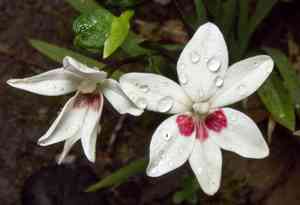
Blooming grass, a species within the Iridaceae family, proficiently reproduces via its corms. Individuals aiming to cultivate new plants ought to meticulously detach and embed these corms, making certain they are positioned at the appropriate level in soil that drains effectively. Sufficient light exposure and consistent hydration will foster robust development, thereby establishing the subtle allure of blooming grass's vibrant blossoms within their cultivated areas. Through careful management of the corms and consideration of environmental elements, even inexperienced gardeners can achieve success in multiplying this variety.
Optimal Period for Propagating Flowering Grass
Method of Propagation
Utilize The Tubers
Propagation Period
Spring
Tools Required for Flowering Grass Propagation
Potting Medium
A potting mix that drains well and is rich in nutrients is vital for successful flowering grass propagation. This medium offers the necessary support and environment for tubers to develop robust roots. The mix should ideally contain a balanced blend of peat, perlite, and vermiculite to ensure good aeration and moisture retention.
Containers or Trays
Small containers or trays are essential for initiating tuber propagation. These vessels hold the potting mix and provide a controlled setting for tubers to sprout. Select pots with drainage holes to prevent waterlogging, which is harmful to tuber growth.
Hand Trowel
A trowel is used for digging small depressions in the potting mix to position the tubers. It aids in setting the tuber at the correct depth, typically about 1 to 2 inches below the surface, ensuring they are properly placed for optimal growth.
Watering Can with Fine Spray
This implement is used to gently irrigate the tubers after planting, supplying the necessary moisture without disturbing their placement. A watering can with a fine rose attachment helps distribute water evenly, mimicking light rainfall.
Labels and Marker Pen
Labels marked with a permanent marker are important for tracking different planting dates and varieties of flowering grass. This practice assists in monitoring growth progress and maintenance requirements.
Rooting Hormone (optional)
To enhance the success rate of rooting, a growth hormone can be applied to the tubers before planting. This promotes stronger and faster root development, aiding in the establishment of flowering grass in the potting mix.
Post-Propagation Care for Your Flowering Grass
Post-Propagation Care for Your Flowering Grass
Following propagation, continue to water flowering grass regularly to maintain consistently moist soil, especially during active growth in spring and summer. Fertilize with a balanced, slow-release product at the start of the growing season to support healthy development. Protect flowering grass from extreme cold by applying a thicker layer of mulch or moving potted plants indoors in regions with harsh winters. Remove spent flowers to encourage more blooms and prevent flowering grass from expending energy on seed production.
Common Errors to Avoid When Propagating Flowering Grass
Excessive Watering
Watering flowering grass too much can lead to root rot, as it prefers well-drained soil that is consistently moist but not soggy. Overwatering can cause the bulbs to decay.
Using inferior soil
Failing to use a well-draining soil mix can be detrimental to flowering grass's roots, limiting the plant's growth and potentially causing disease.
Planting bulbs too deep
Burying flowering grass's bulbs too deep can prevent proper growth and reduce the chance of blooming. It's crucial to plant them at the right depth.
Ignoring temperature needs
Neglecting flowering grass's preference for cooler temperatures can interfere with bulb dormancy and flowering cycles, potentially leading to a lack of blooms.
Insufficient light exposure
Providing inadequate light to flowering grass can result in weak, leggy growth and may hinder flowering, as the plant requires adequate sunlight to thrive.
Advice for Propagating Flowering Grass
Bulb separation
Dividing flowering grass's bulbs during dormancy allows for healthier growth and proliferation by giving each new plant ample space to develop.
Correct planting depth
Ensuring flowering grass's bulbs are planted at the appropriate depth according to their size is essential for successful growth and blooming.
Soil quality and drainage
Utilizing a high-quality, well-draining soil mix for flowering grass supports healthy root development and prevents waterlogging.
Environmental control
Maintaining a cool and well-lit environment for flowering grass encourages robust growth and helps to induce flowering.
Avoiding overcrowding
Ensuring an adequate amount of space between flowering grass's bulbs during planting promotes good air circulation and reduces the risk of disease.



