How to Transplant Ocotillo?
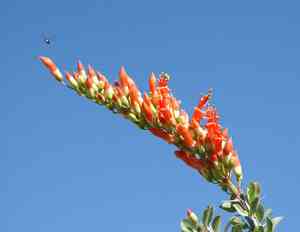
Relocate ocotillo during the vibrant period of early to mid-spring, when conditions are ideal for development. Select a location that receives ample sunlight and possesses soil with excellent drainage. Should it be required, facilitate root integration by providing moderate irrigation.
What Preparations are Needed Before Transplanting Ocotillo?
What is the Ideal Time for Transplanting Ocotillo?
The best time to move ocotillo is from late winter to early spring, just as vigorous growth begins. This period allows the root system to adjust smoothly, benefiting from spring's mild weather and increased moisture, which supports strong growth and establishment. Transplanting ocotillo then ensures it has ample time to adapt and strengthen its roots before summer's intense heat.
How Much Space Should You Leave Between Ocotillo Plants?
Ensure ocotillo has ample room to develop. Ideally, maintain a minimum separation of 10-15 feet (3-4.5 meters) between each plant. This spacing will allow your cherished ocotillo to expand and flourish.
What is the Best Soil Mix for Ocotillo Transplanting?
Promote ocotillo's growth with soil that drains well, preferably sandy or gravelly. Incorporate a small amount of slow-release fertilizer at the base to initiate development. Remember, a strong start leads to a successful outcome!
Where Should You Relocate Your Ocotillo?
For ocotillo, a plant that loves the sun, select a garden spot that receives abundant sunlight. This will provide ocotillo with the necessary light. Happy cultivation!
What Equipments Should You Prepare Before Transplantation Ocotillo?
Gardening Gloves
Crucial for safeguarding your hands from ocotillo's thorns or sharp parts.
Shovel or Spade
For excavating ocotillo from its current spot.
Tarp or Burlap
To shield the root ball during relocation.
Pruning Shears
To trim any damaged or excessively long roots.
Watering Can or Garden Hose
For hydrating the hole before and after transplanting, and for keeping ocotillo moisturized.
Wheelbarrow
To move ocotillo from its original position to the new planting site.
Gardening Fork
To loosen the soil at the new planting location.
How Do You Remove Ocotillo from the Soil?
How Do You Remove Ocotillo from the Soil?
From Ground: Begin by moistening the soil around ocotillo to facilitate removal. Carefully dig around the plant's base with a shovel or spade, maintaining a good distance to avoid harming the root ball. Work the tool beneath ocotillo and lift it from the ground, striving to keep the root ball as intact as possible.From Pot: Hydrate the potting soil prior to starting. Lay the pot on its side and gently slide ocotillo out. If the plant is stuck, tap the pot's sides to loosen it. Be careful not to pull on the plant, as this could cause root damage.From Seedling Tray: Water the tray and carefully extract ocotillo by pushing it up from the bottom. Lift it by the root ball or a leaf, avoiding handling the stem.
Step-by-Step Guide for Transplanting Ocotillo
Preparation
Prepare the transplant hole before moving ocotillo. The hole should be twice as wide but just as deep as the root ball. Use the gardening fork to loosen the bottom soil of the hole.
Transport
Place ocotillo on a tarp or piece of burlap to protect the root ball during transport. Carry or wheel the plant to its new location.
Placement
Position ocotillo in the center of the hole so that the top of the root ball is level with the surrounding ground. Adjust the hole if necessary.
Backfill
Backfill the hole, gently firming the soil as you go to eliminate air pockets without compacting the soil too much.
Watering
Once planted, water ocotillo generously to settle the soil around the roots, and to help it settle into its new home.
How Do You Care For Ocotillo After Transplanting?
Watering
Keep ocotillo well-watered during the first few weeks until it is established in its new location. Ocotillo is drought-tolerant once established, but it will require more water immediately after transplant.
Pruning
Trim back any dead, damaged, or diseased branches after transplant to conserve the plant's energy, using the pruning shears.
Monitoring
Check ocotillo regularly for signs of transplant shock, such as wilting or yellowing leaves.
Troubleshooting Common Issues with Ocotillo Transplantation.
When is the best time to transplant ocotillo?
The ideal time to move ocotillo is during S1-S2, when it's in a dormant state and less likely to get shocked.
What is the appropriate spacing for ocotillo during transplantation?
It's recommended to leave 10-15 feet (3-4.5 meters) between each ocotillo to give them enough room to grow.
What type of soil should ocotillo be transplanted into?
Ocotillo prefers well-draining soil with plenty of organic matter. Avoid heavy clay or overly sandy soils for the best results.
Should I water ocotillo immediately after transplantation?
Yes, after transplanting, give ocotillo a deep watering. It helps to settle the soil around the plant's roots and reduce shock.
What is the proper depth to plant ocotillo during transplantation?
Ocotillo should be planted so that its root ball is level with or slightly above the soil line, never below.
How much sunlight does ocotillo need after transplantation?
Ocotillo thrives in full sun exposure. After transplant, place it in a location where it will receive at least 6 hours of direct sunlight daily.
Do I need to prune ocotillo after transplanting?
Pruning isn’t necessary right after transplanting. However, you may want to prune it lightly to shape it during its first growing season after transplant.
What if the leaves of ocotillo turn yellow after transplantation?
Leaf yellowing could indicate overwatering or poor drainage. Adjust watering schedule and ensure that ocotillo is planted in well-draining soil.
How should I prepare the transplantation site for ocotillo?
Before transplanting, dig a hole that's twice the size of ocotillo's root ball. Amend the soil in the hole with organic matter to enhance its fertility.
Can I add fertilizer after transplanting ocotillo?
Avoid applying fertilizer immediately after transplanting ocotillo as this can stress the plant. Wait until new growth appears, indicating it has settled into its new location.



