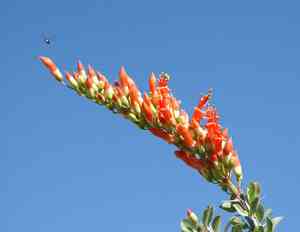
Ocotillo (Fouquieria splendens)
Also known as: Coachwhip, Vine cactus, Desert coral, Jacob cactus
Ocotillo (Fouquieria splendens) is a plant native to the southwestern United States, thriving mainly in the Sonoran and Chihuahuan Deserts. Although it shares its environment with cacti, it is not classified as a cactus. Ocotillo produces long, spiny branches suitable for making walking sticks, and its flowers can be used to brew herbal tea. In gardening, it serves well as a living fence and can be planted year-round in dry areas.
Attributes of Ocotillo
Images of Ocotillo
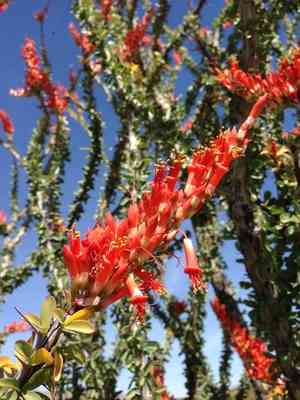
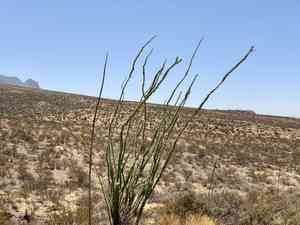
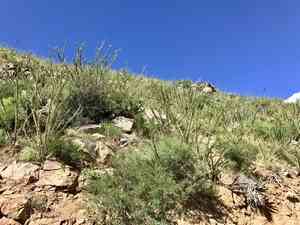
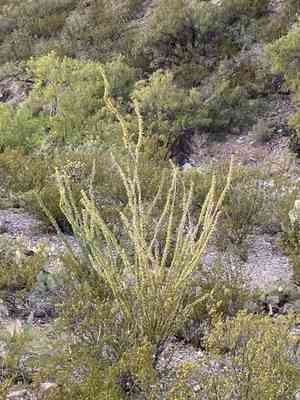
Quickly Identify Ocotillo
Scientific Classification of Ocotillo
Planting and Growing of Ocotillo
 How to Water Ocotillo?
 What Are the Sunlight Requirements for Ocotillo?
 What Is the Ideal Temperature Range for Ocotillo?
 What Soil is Best for Ocotillo?
 How to Fertilize Ocotillo?
 How to Prune Ocotillo?
 How to Propagate Ocotillo plant?
 How to Repot Ocotillo plant?
Toxicity of Ocotillo
Is Ocotillo toxic to cat?
Ocotillo exhibits a low level of toxicity in cats. Ingesting large amounts of any part of the ocotillo plant can lead to negative health effects. Symptoms could include general malaise or sickness, necessitating prompt veterinary care. It's essential to take your cat to a veterinary clinic for treatment if it shows any signs of discomfort after consuming the plant. Vigilant observation and proactive measures are recommended to reduce the hazards posed by ocotillo's toxic characteristics.
Is Ocotillo toxic to dog?
The ocotillo plant species is recognized for its mild toxicity in dogs. When consumed in significant quantities, it can lead to poisoning in dogs. All portions of the ocotillo plant are deemed toxic and can present a danger if ingested by pets. Poisoning symptoms may differ but could manifest as gastrointestinal distress, vomiting, or diarrhea. Given the potential hazards associated with ocotillo, it is vital for dog owners to vigilantly supervise their pets and deter them from eating any part of this plant. Should a dog consume ocotillo, prompt veterinary assistance is critical to guarantee appropriate treatment and recovery.



