Enhancing Your Garden Design with the Ocotillo Plant: A Landscaping Guide
1
Ocotillo flourishes in dry and moderately dry areas, making it an ideal selection for water-wise landscaping.
2
Incorporating Ocotillo into your outdoor space not only enhances its aesthetic but also aids in water preservation.
3
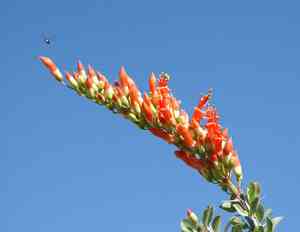
Ocotillo serves as an impressive centerpiece, particularly when it produces brilliant blossoms.
Introducing Ocotillo to Your Garden Space
Understanding the Aesthetic Appeal of Ocotillo
Ocotillo is a unique and captivating plant, notable for its distinct, spiny form and vivid orange-red blooms. Its tall, slender stems offer vertical interest, breaking visual monotony and drawing the eye upward. The seasonal shifts in its lookâfrom lush green foliage in spring to bare branches in dry periodsâensure Ocotillo remains engaging throughout the year.
Visual Impact: Where Does Ocotillo Fit Best?
When deciding on Ocotillo's placement in your landscape, consider its height and spread. It serves well as a background plant, offering a dramatic setting for shorter, more colorful flora. Alternatively, use Ocotillo as a focal point in a rock garden, where its textured stalks can contrast sharply with smooth stones. It's also perfect for creating natural barriers or as part of a desert-themed garden.
Comparing Ocotillo with Other Popular Landscaping Plants
Comparing Ocotillo to other desert plants like cacti or agaves highlights its distinct benefits. Unlike cacti, Ocotillo exhibits a more tree-like growth habit, providing greater vertical structure. Compared to agaves, which have a more static, rosette shape, Ocotillo offers dynamic seasonal changes. Thus, while cacti and agaves also thrive in arid conditions, Ocotillo adds movement and seasonal variation to your garden.
Planning Your Landscape with Ocotillo
Choosing the Right Location for Ocotillo
Location is crucial for successfully integrating Ocotillo into your garden. It prefers full sun and well-draining soil, so select a spot with ample direct sunlight. Avoid areas that stay waterlogged after rain, as Ocotillo does not tolerate soggy soil well. Consider planting Ocotillo on a slope or in a raised bed to enhance drainage if your garden has heavy soil.
Design Ideas: Creating Focal Points with Ocotillo
To maximize Ocotillo's visual impact, utilize it as a focal point in your landscape design. Plant it centrally in a circular bed or at the end of a garden path to attract attention. You can also group multiple Ocotillo plants to form a striking cluster that can become the centerpiece of a larger garden area. The key is to position it where its tall, flowering stems can be fully appreciated.
Combining Ocotillo with Other Elements for Harmony
For a harmonious garden design, pair Ocotillo with other desert-adapted plants such as yuccas, sages, and penstemons. Complement Ocotillo's vertical lines with lower-growing groundcovers or clumping grasses to achieve a layered effect. The varied textures and colors of these plants will enhance your garden's overall aesthetic while being ecologically compatible with Ocotillo.
Maintaining Ocotillo in Your Landscape
Seasonal Considerations for Ocotillo
Ocotillo exhibits distinct seasonal cycles that require consideration in your care routine. In spring, new leaves and flowers necessitate increased watering, while during dormancy, reduced irrigation prevents root rot. Consider mulching around the base to retain soil moisture in hotter months and prune any dead or damaged stems in winter to encourage fresh growth.
Simple Tips for Healthy Growth of Ocotillo
To maintain Ocotillo's health, ensure it's planted in an open area with ample air circulation. This helps prevent fungal diseases. Watering should be deep but infrequent, mimicking natural rainfall patterns. Fertilize sparingly, as Ocotillo thrives in low-nutrient soils, and avoid over-watering, which can lead to root problems. Regularly check for pests like aphids and address them promptly.
Managing Common Challenges with Ocotillo
A common challenge with Ocotillo is ensuring proper drainage. If you observe yellowing leaves or stunted growth, it may indicate poor drainage. Amend the soil composition with sand or gravel to improve it. Additionally, Ocotillo can sometimes suffer frost damage in colder regions. Protect young plants with a frost cloth during unexpected cold snaps and ensure they are planted in sheltered locations if you're in a frost-prone area.



