How to Propagate Ocotillo?
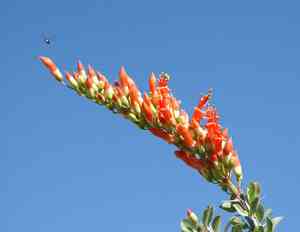
Ocotillo can be multiplied through soft stem sections or by planting seeds during the prime period of spring and summer. The level of difficulty for propagation is average. Indicators of successful multiplication involve fresh development and vibrant foliage. Essential advice includes maintaining damp soil, ensuring sufficient solar exposure, and applying a rooting stimulant when preparing cuttings.
Optimal Time for Ocotillo Propagation?
Propagation Method
Cutting
Propagation Period
Spring,Summer
Tools for Ocotillo Propagation?
Pruning Shears
Designed to make clean cuts without harming the parent plant or the cutting. For ocotillo, sharp shears are vital for taking cuttings from mature stems effectively, a common propagation method.
Rooting Hormone
Applied to the stem's cut end to promote root growth. It contains synthetic auxins that mimic natural plant hormones, stimulating root development, which is especially helpful for ocotillo to ensure a robust root system.
Sterilizing Agent (e.g., Isopropyl Alcohol)
Used to sanitize pruning shears and other tools, preventing disease spread between plants. Clean tools are crucial for the health of ocotillo cuttings and establishing disease-free new plants.
Well-Draining Potting Mix
Offers an ideal environment for root development without waterlogging, essential for ocotillo, which thrives in arid conditions. A mix mimicking its natural gritty soil is vital for its growth.
Propagation Tray or Pots
Holds the potting mix and cutting during root development. For ocotillo, sufficient space for root growth is important, and a tray or pot facilitates an organized propagation setup.
Plastic Wrap or Dome
Helps maintain humidity around the ocotillo cutting, preventing it from drying out before rooting. As ocotillo is native to desert environments, maintaining moisture during propagation can aid success.
Heating Mat (Optional)
Provides consistent bottom heat, which can encourage root development. While ocotillo is accustomed to warm environments, extra heat can stimulate faster rooting in a controlled propagation setting.
Caring for Your Newly Propagated Ocotillo?
Caring for Your Newly Propagated Ocotillo?
Once rooted, ocotillo needs very little water, thriving in dry conditions. Protect from cold and frost. Provide full sun and well-drained soil, avoiding overwatering to promote healthy growth. Prune dead stems as needed to maintain shape and encourage new growth.
Common Errors to Avoid When Propagating Ocotillo
Overwatering
Excessive watering can cause root rot in ocotillo. Since ocotillo is adapted to arid environments, too much moisture can impair its root function and health.
Using poor draining soil
As ocotillo requires excellent drainage, using soil that retains too much water can be harmful, potentially leading to fungal diseases and poor root development.
Incorrect pruning
Improperly cutting ocotillo when taking cuttings can harm the parent plant and reduce propagation success rates.
Neglecting hygiene
Using unsanitized tools for cuttings can introduce pathogens to ocotillo, hindering growth and potentially causing disease.
Immediate repotting
Repotting ocotillo cuttings too soon can disrupt root development and acclimatization to the new growing environment.
Advice for Propagating Ocotillo
Use well-draining mix
Utilize a cactus potting mix or add sand and gravel to the soil to ensure quick drainage, which is vital for ocotillo's root health.
Hardwood cuttings
Take hardwood cuttings from ocotillo to increase the likelihood of successful rooting, as they are generally more robust than softwood cuttings.
Sterilize tools
Always use clean, sterilized tools when taking ocotillo cuttings to minimize the risk of disease transmission.
Allow cuttings to callus
Let ocotillo cuttings dry and form a callus over the wound before planting. This reduces rot risk and encourages proper root development.
Provide support
Ocotillo cuttings may need support until their root system is established. Use a stake or similar structure to provide stability.



