How Much Sunlight Do Ocotillo Need?
1
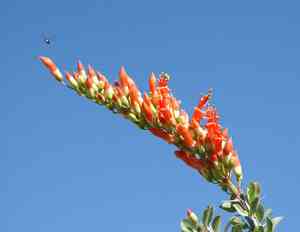
Ocotillo plants flourish optimally with ample sunlight, requiring a minimum of 6 hours each day.
2
Inadequate illumination may result in elongated stems and reduced flowering for Ocotillo.
3
Throughout the winter, Ocotillo enters a dormant state and needs less powerful light.
Ideal Solar Exposure for Ocotillo
Advantages of Abundant Sunlight
For the Ocotillo, ample sunlight is crucial. The plant flourishes in bright locations, receiving up to 6-8 hours of direct solar radiation daily. This light intensity mirrors its native habitat, fostering vigorous development, vibrant blossoms, and healthy foliage. Full sun exposure allows the Ocotillo to photosynthesize effectively, boosting its overall vitality.
Impacts of Inadequate Illumination
While the Ocotillo shows some adaptability, insufficient sunlight can present considerable difficulties. When deprived of proper light, the plant might display etiolated growth, where stems lengthen as it seeks more sun. Furthermore, flower production decreases, and leaves may become sparse and pale. Ensuring your Ocotillo receives enough light is vital for its well-being.
Seasonal Light Requirements
Spring and Summer Illumination
During the spring and summer, Ocotillo plants thrive with extended daylight hours. They necessitate a minimum of 6 hours of direct sunlight each day. Positioning your Ocotillo in a south-facing window or placing it outdoors in a sunny spot will help it meet its optimal light demands. The increased sunlight during these seasons supports robust growth and plentiful blooms.
Autumn and Winter Illumination
In the fall and winter, the Ocotillo enters a dormant phase, requiring less intense sunlight. While it still needs light to sustain its health, the demands are reduced. Aim for approximately 4-6 hours of direct sun. A west-facing window or a well-lit indoor area can suffice during these months. Managing this seasonal light shift helps keep the Ocotillo resilient for the next growth cycle.
Establishing Optimal Lighting Conditions
Natural Light Solutions
Providing natural lighting for your Ocotillo involves placing it in the sunniest areas of your home or garden. South-facing windows are perfect indoors, ensuring the plant gets sufficient direct light throughout the day. Outdoors, choose a location that receives constant sunlight. Keeping the plant in such spots emulates its desert environment, promoting healthy development.
Artificial Lighting Alternatives
When natural light is insufficient, artificial lights can benefit your Ocotillo. Utilize full-spectrum grow lights, which mimic natural sunlight, ensuring the plant remains healthy year-round. Position the light source about 30-45 cm (12-18 inches) above the plant. Aim to supplement natural light with 8-12 hours of artificial illumination to maintain its health during periods of low light.
Common Sunlight-Related Issues for Ocotillo
Indicators of Excessive Sun
Although the Ocotillo loves sunlight, too much intense sun can lead to sunburn. Signs include scorched or bleached areas on the foliage. To prevent sunburn, ensure the plant gradually acclimates to increased light intensity, especially when moving from indoors to outdoors. Providing a temporary shade cloth can aid this transition.
Symptoms of Light Deprivation
Light deficiency in Ocotillo plants manifests as pale, yellowing leaves and stunted development. The plant may also produce fewer flowers and become leggy. Addressing these symptoms involves relocating the plant to a sunnier spot or enhancing available light with grow lights. Regular monitoring of light levels helps prevent these issues.
Frequently Asked Questions Regarding Ocotillo Sunlight Needs
How many hours of sunlight does an Ocotillo require daily?
An Ocotillo requires a minimum of 6 hours of direct sunlight daily. During peak growth periods in spring and summer, 6-8 hours are adequate for maintaining its health and encouraging blooming.
Can Ocotillo flourish in partial shade?
While the Ocotillo can endure partial shade, it thrives best in full sun. Extended periods in partial shade can result in less vigorous growth and fewer flowers, as the plant needs abundant light to prosper.



