How to Transplant Cliff fendlerbush?
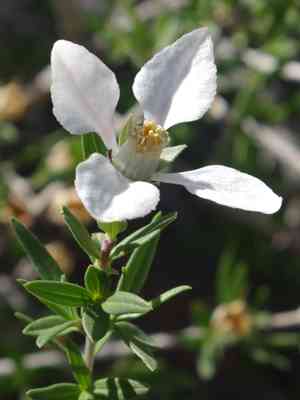
The spring period presents ideal conditions for relocating cliff fendlerbush, allowing its root system to settle prior to the intense summer warmth. Choose a bright area featuring soil that drains effectively. Carefully introduce cliff fendlerbush to its new environment to prevent transplant stress.
What Preparations are Needed Before Transplanting Cliff Fendlerbush?
What is the Ideal Time for Transplanting Cliff Fendlerbush?
The optimal period for relocating cliff fendlerbush is the spring season, as this guarantees strong root development prior to summer. Enhancing your garden during this time encourages vigorous growth, utilizing the mild temperatures and increased moisture availability. Embrace this transplanting phase to provide cliff fendlerbush the best start in its new spot. The season's gentle climate conditions are perfect for root growth, minimizing transplant shock and speeding up recovery, thus maximizing the success of your gardening effort.
How Much Space Should You Leave Between Cliff Fendlerbush Plants?
To allow cliff fendlerbush ample room to develop, aim to space each transplant approximately 3-4 feet (0.91-1.22 meters) apart. This ensures they have sufficient space to spread and thrive without competing for resources.
What is the Best Soil Mix for Cliff Fendlerbush Transplanting?
This helpful advice focuses on soil! Cliff fendlerbush thrives in well-drained soil. Before transplanting, amend the soil by incorporating organic matter and a foundational fertilizer. This will boost the soil's nutrient content, fostering healthy growth for cliff fendlerbush.
Where Should You Relocate Your Cliff Fendlerbush?
Regarding where to transplant? Cliff fendlerbush loves sunshine! Select a garden location that receives abundant sunlight daily. This sun-loving plant flourishes in bright, sunny areas, so choosing the correct spot is crucial.
What Equipments Should You Prepare Before Transplantation Cliff Fendlerbush?
Gardening Gloves
To safeguard your hands while handling the plant and working in the soil.
Shovel or Trowel
To properly dig out the cliff fendlerbush from its original spot and create the hole for replanting.
Watering Can
To hydrate the soil and the plant both prior to and following the transplanting procedure.
Plant Marker
To indicate the precise location in the ground where you intend to transplant the cliff fendlerbush.
Compost or Organic Matter
To enrich the transplanted cliff fendlerbush with essential nutrients.
How Do You Remove Cliff Fendlerbush from the Soil?
How Do You Remove Cliff Fendlerbush from the Soil?
From Ground: Start by watering the cliff fendlerbush to moisten the soil surrounding its roots. Carefully dig a circle around the plant using a shovel or spade, ensuring to capture as much of the root ball as possible. Be gentle and avoid damaging the plant's roots. Gently work the spade beneath the root ball to lift the plant from its current position.From Pot: Begin by watering the cliff fendlerbush and allowing it time to absorb the moisture. Turn the pot on its side, support the plant gently with your hands, and tap the pot's rim on a firm surface to loosen the plant. Then carefully pull the plant free by holding its base.From Seedling Tray: Water the tray first to dampen the soil. Once the soil is moist, you can carefully remove the cliff fendlerbush by holding it gently by the leaves and lifting it upwards. Never pull on the stem as it can easily harm the plant.
Step-by-Step Guide for Transplanting Cliff Fendlerbush
Prepping
Before beginning, thoroughly water the cliff fendlerbush and let it sit while you prepare the new planting site.
Digging
Excavate a hole in your chosen spot, which should be twice as wide and equally as deep as the root ball of your cliff fendlerbush.
Transplanting
Position the cliff fendlerbush into the hole you've dug. Ensure itâs centered and planted at the same depth it was growing at previously.
Backfilling
Refill the hole with the soil you've removed, gently pressing it around the base of the cliff fendlerbush.
Watering
Water the plant immediately after planting, thoroughly saturating the soil.
How Do You Care For Cliff Fendlerbush After Transplanting?
Monitoring
Keep a close watch on the cliff fendlerbush after relocation. If it displays signs of stress such as wilting or browning leaves, it might require additional attention.
Watering
Water the transplanted cliff fendlerbush thoroughly but avoid over-saturating it. The soil should be damp, not waterlogged.
Pruning
Approximately one week after transplanting, lightly prune the cliff fendlerbush to encourage new growth.
Fertilizing
About a month after transplanting, it's acceptable to begin a regular fertilizing regimen for your cliff fendlerbush. However, remember that moderation is key when it comes to fertilization.
Protection
During the initial few weeks, it may be beneficial to offer some shelter from wind and intense sun to the cliff fendlerbush as it becomes established.
Troubleshooting Common Issues with Cliff Fendlerbush Transplantation.
What is the best time to transplant cliff fendlerbush?
The optimal period to move your cliff fendlerbush plant is during the S1-S3 season, ensuring prime growth and survival prospects.
How much spacing should I ensure when transplanting cliff fendlerbush?
Aim to space your cliff fendlerbush approximately 3-4 feet (91.44-121.92 cm) apart. This will provide them ample room for development.
What kind of soil does cliff fendlerbush need for successful transplantation?
Cliff fendlerbush prefers well-drained soil with a slightly acidic to neutral pH. Ensure your transplant location has adequate soil drainage.
Should I water cliff fendlerbush immediately after transplanting?
Yes, watering immediately after transplanting can help your cliff fendlerbush establish more quickly. However, avoid excessive watering as this can lead to root rot.
Should I prune cliff fendlerbush before transplanting it?
Pruning before transplanting may not be necessary for cliff fendlerbush. If you need to reduce its size, you can selectively remove some branches.
How deep should I dig to transplant cliff fendlerbush?
Dig a hole that's twice the width of the root ball and the same depth. This ensures that roots of cliff fendlerbush have plenty of room to grow.
Can I use fertilizer immediately after transplanting cliff fendlerbush?
Refrain from fertilizing right after transplanting. Allow cliff fendlerbush a few weeks to acclimate to its new surroundings before introducing any additional nutrients.
What should I do if the leaves of cliff fendlerbush wilt after transplanting?
Temporary wilting after transplant can be normal. If wilting persists for an extended period, it may indicate too much water. Adjust watering as needed.
How to care for cliff fendlerbush immediately after transplantation?
Keep the soil around cliff fendlerbush consistently moist but not waterlogged, apply mulch to conserve moisture, and protect from extreme weather conditions!
Why is my transplanted cliff fendlerbush not growing?
Check if cliff fendlerbush is receiving sufficient water, sunlight, and nutrients. It could also be too hot or cold, or the plant may still be adjusting to transplant shock.



