How to Propagate Cliff fendlerbush?
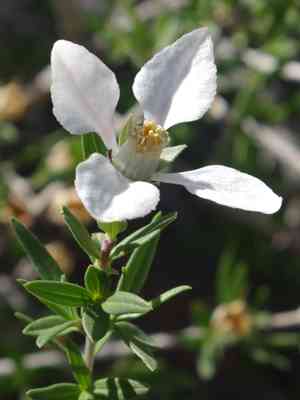
Cliff fendlerbush is well-suited to stony habitats, flourishing in difficult circumstances. For reproduction, employing cuttings proves successful. Verify that cuttings originate from robust stems and apply a rooting stimulant to improve integration. Place in a substrate that drains efficiently to replicate its inherent rocky ground, guaranteeing sufficient hydration without saturation.
Optimal Period for Propagating Cliff Fendlerbush
Propagation Method
Cutting
Propagation Season
Autumn,Winter
Tools Required for Cliff Fendlerbush Propagation
Sharp Pruning Shears
These are vital for making precise cuts from cliff fendlerbush, which is necessary to prevent damage to the delicate stems during the cutting process. A clean cut improves the chances of successful rooting by minimizing disease entry points.
Rooting Hormone Powder
This encourages quicker and more dependable root development in cliff fendlerbush cuttings. Applying rooting hormone to the cut end before planting boosts the probability of success by stimulating root growth, crucial for cliff fendlerbush's establishment.
Sterile Potting Mix
A well-draining, sterile potting mix prevents fungal infections and supports healthy root growth in cliff fendlerbush cuttings. The sterility ensures that the vulnerable new roots of cliff fendlerbush are not exposed to pathogens during the early stages of propagation.
Misting Bottle
Used to maintain high humidity around cliff fendlerbush cuttings, which helps prevent the leaves from drying out before new roots have formed. Regular misting can significantly increase the success rate of propagation by maintaining an optimal microclimate.
Heating Mat
Especially useful if propagating cliff fendlerbush in cooler environments, a heating mat helps maintain an optimal soil temperature, enhancing root growth and overall propagation success.
Plastic Domes or Covers
These are placed over the cuttings to maintain high humidity and temperature, which are crucial for the recovery and growth of cliff fendlerbush. Ensuring a stable environment helps the cuttings in establishing a robust root system.
How to Propagate Cliff Fendlerbush?
Propagation Difficulty
Moderately Difficult
Caring for Your Newly Propagated Cliff Fendlerbush
Caring for Your Newly Propagated Cliff Fendlerbush
Once propagated, cliff fendlerbush requires similar care to mature plants. It thrives in well-drained soils and prefers locations that mimic its natural rocky habitat with full sun to partial shade. Water the plant regularly during the first growing season to establish an extensive root system, reducing frequency as the plant matures. Protect from extreme cold and prune annually to promote bushier growth and better air circulation within the plant.
Common Mistakes to Avoid When Propagating Cliff Fendlerbush
Overwatering
Watering cliff fendlerbush too frequently can lead to root rot because the plant's natural habitat is rocky and well-drained. Excessive moisture in the soil can inhibit root development and decrease the overall health of the plant.
Excessive feeding
Applying too much fertilizer can harm cliff fendlerbush. This plant species is adapted to thrive in nutrient-poor conditions; over-fertilization can lead to weak growth and may even burn the roots, reducing propagation success.
Incorrect soil mixture
Using a soil mix that retains too much water or lacks sufficient drainage can be detrimental for cliff fendlerbush. An inappropriate soil mix can hinder root aeration and cause moisture-related diseases.
Improper cutting techniques
Taking cuttings that are either too large or too small, or cutting in inappropriate places on the plant can lead to poor rooting and growth rates. It's crucial to understand the optimal size and site for cuttings to ensure successful propagation.
Tips For Propagating Cliff Fendlerbush
Use well-draining soil
Employ a gritty, sandy soil mix similar to cliff fendlerbush's natural rocky habitat to promote adequate drainage and mimic the natural environment, enhancing the chances of successful rooting and growth.
Moderate watering
Maintain a balance in soil moisture levels by allowing the soil to dry out slightly between watering sessions. This mimics the natural watering cycle cliff fendlerbush would experience and helps prevent root rot.
Proper cutting selection and handling
Choose healthy semi-woody cuttings from cliff fendlerbush and ensure they are about 4-6 inches in length. Make cuts just below a node to increase the likelihood of successful rooting.
Provide indirect light
Though cliff fendlerbush is accustomed to bright environments, during the initial stages of propagation, providing indirect light can help avoid scorching young plants and roots, facilitating stable growth.



