How to Prune Cliff fendlerbush?
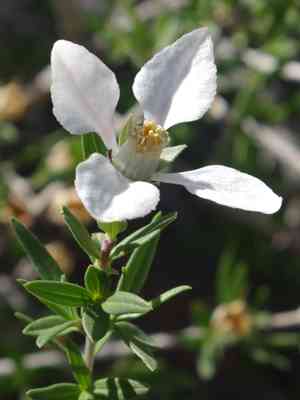
A leaf-shedding bush recognized for its abundant growth in stony landscapes, cliff fendlerbush thrives with trimming to preserve its form and foster vitality. The optimal time for pruning is from late spring to early summer, following its blooming period, to prevent the removal of the subsequent year's flowers. Reducing the density of older limbs and eliminating any lifeless or ailing wood improves air movement and light exposure. This opportune trimming also encourages fresh development, guaranteeing a sturdy framework and profuse blossoms for the upcoming season.
What Are the Benefits of Pruning Cliff Fendlerbush?
What Are the Benefits of Pruning Cliff Fendlerbush?
Trimming cliff fendlerbush encourages more robust, abundant blooms, and lessens the chance of pest infestations and illnesses. Through precise cuts, gardeners can foster a strong framework and sustain plant vitality.
What Is the Best Time for Pruning Cliff Fendlerbush?
What Is the Best Time for Pruning Cliff Fendlerbush?
Trimming cliff fendlerbush in late spring or early summer is optimal as it allows gardeners to assess and remove winter damage without affecting the current year's development. Additionally, cliff fendlerbush typically finishes blooming in spring, so post-bloom pruning ensures its flowering potential is not compromised. Pruning during this period also provides cliff fendlerbush ample time to recover and produce new growth before its dormant phase in colder months. This practice aligns with the plant's natural growth cycle, promotes healthy revitalization, and prepares cliff fendlerbush to endure winter conditions.
What Tools Do I Need to Prune Cliff Fendlerbush?
Bypass Pruners
These are perfect for making neat cuts on the smaller branches of cliff fendlerbush without crushing plant tissues, encouraging healthy regrowth.
Pruning Loppers
When cliff fendlerbush has thicker branches exceeding half an inch in diameter, loppers provide the necessary leverage for clean cuts through the wood with minimal effort.
Gardening Gloves
Protective gloves are crucial for safety from sharp branches and potential skin irritants while trimming cliff fendlerbush.
Pruning Saw
For mature cliff fendlerbush specimens with branches too thick for loppers, a pruning saw is essential for clean and efficient larger cuts.
How to Prune Cliff Fendlerbush
Clean tools
Before beginning the trimming process, ensure all tools are clean and sharp to prevent disease spread to cliff fendlerbush.
Remove diseased parts
Carefully remove any diseased leaves or branches from cliff fendlerbush, making clean cuts that do not harm the main stems or adjacent healthy tissue.
Dead material removal
Trim away dead branches and withered leaves from cliff fendlerbush. Make cuts at a 45-degree angle just above a healthy bud to encourage new growth.
Deadhead flowers
Remove spent flowers on cliff fendlerbush to stimulate more blooms in the next flowering cycle. Cut back to the nearest set of leaves.
Control growth
Cut back excessive growth branches on cliff fendlerbush to maintain its natural shape and size. Avoid over-pruning, which can stress the plant.
Common Pruning Mistakes with Cliff Fendlerbush
Over-pruning
Removing too much foliage from cliff fendlerbush at once can stress the plant, leading to a weaker structure and reduced flowering.
Improper cut location
Making cuts either too close to the main stem or too far from the bud can result in stubs prone to disease or encourage incorrect growth patterns.
Using dull tools
Trimming with dull blades can damage cliff fendlerbush branches, causing tears and ragged cuts that make the plant more susceptible to pests and diseases.
Neglecting to prune
Failing to remove dead or diseased wood can hinder airflow and light penetration, negatively impacting the overall health of cliff fendlerbush.
Poor sanitation
Not cleaning trimming tools before and after use can spread diseases from infected plants to healthy parts of cliff fendlerbush or to other plants.
Common Pruning Tips for Cliff Fendlerbush
Selective pruning
Focus on thinning out crowded branches to improve air circulation and light penetration for cliff fendlerbush, which promotes healthy growth and flowering.
Angular cuts
Make clean, diagonal cuts just above outward-facing buds to direct new growth away from the center of cliff fendlerbush.
Sterilize tools
Always use sanitized trimming tools to prevent introducing pathogens to cliff fendlerbush, ensuring plant health and longevity.
Gradual pruning
Approach trimming gradually, removing no more than one-third of the overall growth at a time. This keeps cliff fendlerbush resilient and allows recovery.
Maintenance pruning
Regularly inspect cliff fendlerbush for any broken or diseased branches and remove them promptly to maintain plant vigor.



