How Much Sunlight Do Cliff fendlerbush Need?
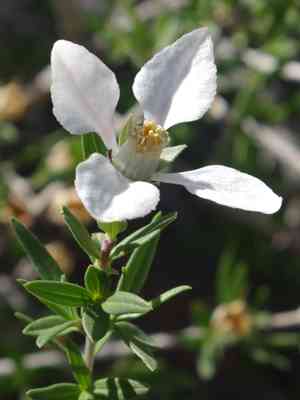
1
Cliff fendlerbush flourishes in direct sunlight, needing more than 6 hours of sun exposure.
2
It's vital to observe for indications of sun damage, such as scorched foliage, to maintain the plant's well-being.
3
Varying sunlight exposure with the seasons can enhance development year-round.
Ideal Light Conditions for Cliff fendlerbush
Full Sun Necessities
The Cliff fendlerbush is a heliophilic plant that flourishes in environments receiving over 6 hours of direct solar exposure daily. Ample sun exposure ensures efficient photosynthesis, fostering vigorous development and vibrant blossoms. When cultivating this plant outdoors, select a site unshaded by structures or taller flora. For indoor cultivation, position your Cliff fendlerbush near a south-facing window for maximum light.
Partial Shade Adaptability
While the Cliff fendlerbush prefers full sunlight, it can endure partial shade, meaning it gets between 3 to 6 hours of daily sun. This is especially beneficial in areas where intense full sun might cause leaf scorching. In such conditions, morning sun and afternoon shade can help sustain the plant's vitality. However, prolonged insufficient light may impede flowering and diminish the plant's overall vigor.
Recognizing Sun Stress in Cliff fendlerbush
Indicators of Excessive Sunlight
Too much sunlight can induce stress in your Cliff fendlerbush. Symptoms of overexposure include yellowing or browning foliage, crisp leaf margins, and sunburnt spots. If these signs appear, it's crucial to provide some shade or move the plant to a location with less direct sun. A light shade cloth can also be used to filter the harshest rays.
Symptoms of Insufficient Sunlight
Inadequate sunlight can lead to issues such as etiolated growth, pale leaves, and a lack of blooms. The plant may appear stretched as it attempts to reach for light. If your Cliff fendlerbush displays these indicators, consider relocating it to a brighter spot where it can receive more direct sunlight. Reflective surfaces can also aid by directing additional light onto the plant.
Seasonal Light Requirements for Cliff fendlerbush
Spring and Summer
During spring and summer, the Cliff fendlerbush benefits from increased solar exposure. These seasons offer extended daylight hours, which are perfect for its growth and flowering stages. Ensure the plant receives consistent full sun during these months. Regularly check for any signs of sun stress, particularly on extremely hot days, and adjust its placement if needed to maintain health.
Fall and Winter
In fall and winter, daylight hours shorten, and sunlight intensity diminishes. While the Cliff fendlerbush is quite resilient, it's vital to ensure it still gets as much light as possible. If growing indoors, consider using a grow light to supplement natural sunlight. Outdoor plants may naturally receive less light, but they typically require fewer hours of intense sunlight during these periods.
Optimally Positioning Your Cliff fendlerbush for Sunlight
Selecting the Correct Spot
Proper placement of your Cliff fendlerbush is crucial for its development. For outdoor planting, choose a site that receives uninterrupted sunlight for most of the day. South-facing garden beds will offer the most sun. Indoors, position the plant near a window that gets ample light, ideally south-facing. Periodically check the plant's location throughout the year, adjusting as necessary to accommodate seasonal changes in light patterns.
Adapting for Indoor and Outdoor Cultivation
Whether grown indoors or outdoors, Cliff fendlerbush requires adjustments to meet its light needs. For indoor plants, rotate the pot weekly to ensure even light distribution, preventing lopsided growth. Outdoor plants might need temporary shade during peak summer to prevent sunburn. Utilizing adjustable setups like pots on wheeled stands can simplify moving the plant to optimal light conditions throughout the year.



