The Cliff fendlerbush Plant Advantage: Maximizing Home and Office Appeal and Wellness
1
Cliff fendlerbush tolerates dry spells very well, making it perfect for water-wise landscaping.
2
This shrub offers shelter and sustenance to native animals, such as beneficial insects.
3
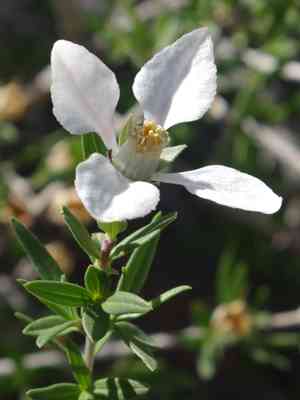
Cliff fendlerbush flowers for a long period, displaying attractive white to pink blossoms.
Why Select Cliff Fendlerbush for Your Outdoor Space?
What Makes Cliff Fendlerbush Able to Withstand Dry Spells?
A key characteristic of Cliff fendlerbush is its remarkable capacity to endure extended periods without water. Hailing from rocky, arid environments, this plant has evolved to need minimal irrigation. This trait makes it an excellent choice for xeriscapingâa landscaping method that minimizes water usage. Its deep root system allows it to access moisture from deeper soil layers, ensuring its survival and robust growth even during dry conditions.
How Does Cliff Fendlerbush Benefit Local Wildlife?
Cliff fendlerbush not only enhances your garden's beauty but also plays a vital role in supporting local ecosystems. Its blossoms attract various pollinators, such as bees and butterflies, which are crucial for maintaining biodiversity. The dense foliage and branching structure offer refuge and nesting spots for small creatures and birds. By incorporating Cliff fendlerbush into your landscape, you contribute to the habitat and food sources that sustain native animal populations.
The Visual Appeal of Cliff Fendlerbush
What Are the Aesthetic Features of Cliff Fendlerbush?
Cliff fendlerbush is recognized for its visually striking flowers, which range from white to soft pink. These blooms appear in clusters, creating a magnificent floral display that can beautify any garden or landscape. The plant typically flowers from late spring to early summer, offering an extended period of visual interest. Additionally, its vibrant green foliage provides a lush backdrop for its delicate blossoms.
Can Cliff Fendlerbush Be Used in Various Landscape Designs?
Yes, Cliff fendlerbush is highly adaptable and can be integrated into diverse landscaping styles. Whether you aim to create a natural, wildflower garden or a more structured, formal setting, Cliff fendlerbush can seamlessly fit into your design. Its ability to flourish in rocky soils makes it perfect for rock gardens, and its drought tolerance makes it ideal for Mediterranean or desert-themed landscapes. The plant's compact size and rounded form also make it an excellent option for borders and hedges.
The Environmental Advantages of Cliff Fendlerbush
What Role Does Cliff Fendlerbush Play in Soil Preservation?
Beyond its visual and ecological appeal, Cliff fendlerbush also provides significant environmental benefits, particularly in soil conservation. Its deep root system helps to stabilize soil and prevent erosion, especially on inclines and in areas with loose or rocky earth. By planting Cliff fendlerbush, you can improve the structural integrity of the soil, reducing runoff and promoting better water absorption.
How Does Cliff Fendlerbush Improve Air Quality?
Like many other plants, Cliff fendlerbush contributes to enhancing air quality. Through photosynthesis, it absorbs carbon dioxide and releases oxygen, leading to a cleaner atmosphere. Furthermore, its foliage can help to trap dust and particulate matter, thereby improving the air quality in your immediate surroundings. This makes Cliff fendlerbush a valuable addition to any sustainable garden or landscape design.
Caring for Cliff Fendlerbush in Your Garden
What Are the Optimal Growing Conditions for Cliff Fendlerbush?
Cliff fendlerbush is a resilient plant that requires minimal upkeep. However, to ensure its optimal growth, it's important to plant it in well-drained soil and provide full to partial sunlight. While it is drought-tolerant, consistent watering during its initial growing season will help the plant establish a robust root system. After this period, you can reduce watering frequency, relying more on natural rainfall.
Are There Any Common Pests or Diseases to Watch For?
Cliff fendlerbush is generally resistant to most pests and diseases, making it a low-maintenance choice for your garden. Nevertheless, it's always wise to monitor for any signs of stress or unusual changes in the plant's appearance. Ensuring adequate spacing and airflow can help prevent potential fungal issues. Regular pruning to remove dead or damaged branches will also support the plant's overall health.
Multiplying and Enhancing Cliff Fendlerbush in Your Landscape
How Can You Propagate Cliff Fendlerbush?
Propagating Cliff fendlerbush is relatively simple, with several methods available. A common approach involves taking cuttings from a mature plant. Simply cut a healthy branch approximately 4-6 inches long, remove the lower leaves, and plant it in a pot with well-draining soil. Keep the soil moist and place the pot in indirect sunlight until roots form. You can then transplant the new plant into your garden.
Can Cliff Fendlerbush Be Cultivated in Pots?
Yes, Cliff fendlerbush can be successfully grown in containers, making it a flexible option for those with limited space. Select a large pot with good drainage and use a well-draining soil mix. Consistent watering is crucial, especially during the initial growth period. Container-grown plants may require more frequent irrigation compared to those planted directly in the ground. Position the container in a sunny spot to ensure the plant thrives.



