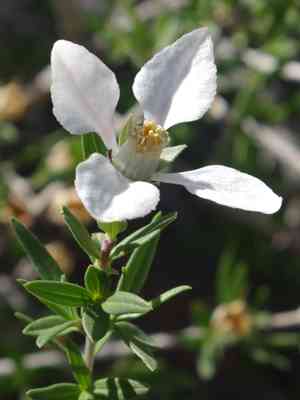
Cliff fendlerbush (Fendlera rupicola)
Also known as: Cliff Fendlerbush
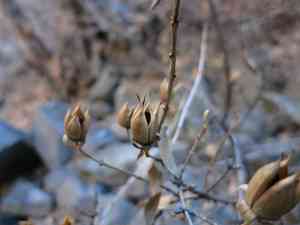
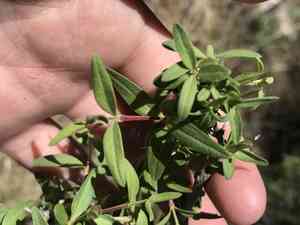
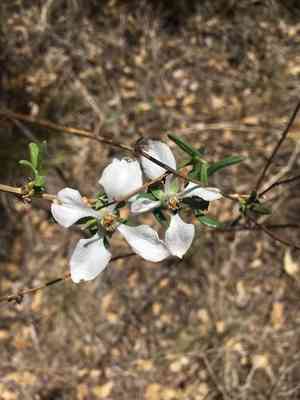
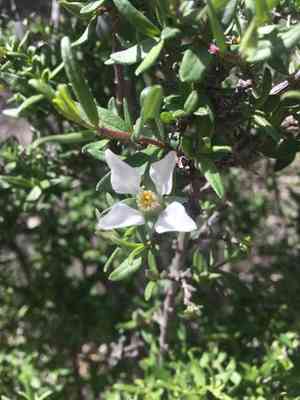
Certainly! The fendlerbush is a deciduous shrub that typically reaches heights of 1 to 3 meters. Its branches are sturdy and wiry, with grey, furrowed bark. The leaves are arranged in opposite pairs, are oblong, thick, and have a twisted form with three distinct veins. The flowers, which are creamy-white, bloom at the ends of short branches, either singly or in clusters of up to three. Each flower features four narrow petals that taper to a claw-like base, four purplish sepals, a central cluster of four styles, and eight stamens. The plant produces capsule-like fruits that persist on the shrub for an extended period.
In This Article
Attributes of Cliff fendlerbush
Lifespan
Perennial
Plant Type
Shrub
Plant Height
1-2 meters
Spread
Approximately 1 meter
Leaf Color
Green
Flower Size
1-2 centimeters
Flower Color
White Pink
Images of Cliff fendlerbush
Quickly Identify Cliff fendlerbush
1
The plant can be identified by its distinctive white flowers with four petals, opposite leaves that are somewhat narrow and elongated, and its preference for growing on rocky outcrops.
Scientific Classification of Cliff fendlerbush
Phylum
Vascular plants
Class
Dicotyledons
Order
Cornales
Family
Hydrangea
Genus
Fendlera
Species
Cliff fendlerbush
Planting and Growing of Cliff fendlerbush
Care Difficulty
Moderate
Watering Schedule
Every 2 days
Sunlight Requirements
Full sun
Sunshine Duration
4-8 hours
Ideal Temperature
55-75℉
Soil Type
Potting Mix, Peat Mix
Soil pH
6.5-7.5
Fertilizer Type
Balanced
Pruning Season
Spring, Summer
Pruning Area
Branches, Leaves
Pruning Frequency
2 times a year
Repotting Season
Spring
Pot Type
Plastic, Ceramic
 How to Water Cliff fendlerbush?
Fendlera rupicola prefers infrequent but deep watering. Typically, allow the soil to dry out completely between waterings. When watering, saturate the soil until water drains from the bottom of the pot, ensuring the roots receive adequate moisture.
What are the symptoms of an underwatered Cliff fendlerbush?
›
What should I do if my Cliff fendlerbush is not getting enough water?
›
What are the symptoms of an overwatered Cliff fendlerbush?
›
How to save an overwatered Cliff fendlerbush?
›
 What Are the Sunlight Requirements for Cliff fendlerbush?
Fendlera rupicola benefits from partial to full sun exposure, ideally between 6-8 hours daily. Such light conditions favor robust blooms and strong structural growth, maximizing its ornamental appeal.
More About Sunlight Requirements Techniques→
How to Ensure Ideal Lighting for Fendlera rupicola?
›
What Solutions Can Help Achieve These Conditions?
›
What Are the Benefits of Receiving Ideal Lighting?
›
 What Is the Ideal Temperature Range for Cliff fendlerbush?
Fendlera rupicola thrives best in temperatures ranging from 55 to 75 degrees Fahrenheit. This range mirrors its native habitat conditions, providing ample warmth for growth while avoiding heat stress. Maintaining this temperature range ensures the plant's metabolic processes function optimally, promoting healthy blooms and robust foliage.
 What Soil is Best for Cliff fendlerbush?
Fendlera rupicola thrives best in well-drained soil conditions, which prevent root rot and other moisture-related issues. Good drainage allows air to reach the roots, promoting healthier growth and bloom. This plant benefits from soil enriched with organic matter, which provides essential nutrients and improves soil structure, leading to robust growth and vibrant foliage. While well-drained, the soil should retain some moisture to sustain plant needs during dry spells. This balance ensures the plant stays hydrated without waterlogging.
 How to Fertilize Cliff fendlerbush?
When fertilizing Fendlera rupicola, use a balanced all-purpose fertilizer. For liquid feedings, mix it at half strength to avoid nutrient burn, as these plants prefer light feeding.
 How to Prune Cliff fendlerbush?
Begin by identifying dead, diseased, or overgrown branches. Focus on areas that are densely packed to improve air circulation and sunlight penetration. Use sharp pruning shears to make clean cuts at a 45-degree angle. This promotes quick healing and reduces the risk of infection while aiding in healthy regrowth. Prune strategically to maintain the natural shape of Fendlera rupicola. Avoid heavy pruning, which can stress the plant. Instead, remove only what’s necessary to retain its graceful form.
More About Pruning Techniques→
 How to Propagate Cliff fendlerbush plant?
1
Gather mature seeds from Fendlera rupicola plants in autumn. Clean the seeds and let them dry before storing them for spring sowing.
2
Select healthy stems for cuttings, preferably non-flowering shoots. Cut a section about 4-6 inches long, remove the lower leaves, and dip the end in rooting hormone.
3
Insert the prepared cuttings into well-draining soil mixtures, ensuring the nodes are buried to promote root growth, and maintain high humidity levels around the cuttings.
 How to Repot Cliff fendlerbush plant?
1
Repotting signs include roots visible through drainage holes or when the plant becomes root-bound. Optimal repotting is during active growth in spring or autumn, ensuring the plant has time to adjust before the next season.
2
Select a pot slightly larger than the current one to allow growth, with ample drainage holes. This prevents waterlogging and promotes healthy root development, crucial for fragile plants like Fendlera rupicola.
3
Opt for a well-draining potting mix with sand and loam to mimic natural rocky conditions. This prevents root rot and ensures the plant thrives in an environment similar to its native habitat.



