How to Transplant Large-leaved aster?
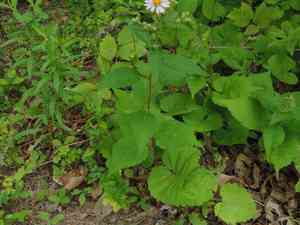
The optimal period for relocating large-leaved aster is the flourishing core of spring, capitalizing on pliable earth and temperate conditions. Select a shaded location featuring damp, adequately draining ground. Provide ample hydration after transplantation to foster establishment.
What Preparations are Needed Before Transplanting Large-leaved Aster?
What is the Ideal Time for Transplanting Large-leaved Aster?
The perfect time for moving large-leaved aster is in mid-spring, when moderate temperatures aid root establishment without harsh weather stress. Introducing large-leaved aster to your garden then maximizes its potential for strong growth, aligning with its natural thriving cycle. Placing large-leaved aster in its new spot as spring awakens provides a gentle environment, ideal for new growth and a smooth transition.
How Much Space Should You Leave Between Large-leaved Aster Plants?
Ensure large-leaved aster has ample room to develop. Aim for about 2-3 feet (60-91 cm) between each plant when relocating. This spacing allows their large leaves to flourish and promotes a healthier garden layout.
What is the Best Soil Mix for Large-leaved Aster Transplanting?
For large-leaved aster to flourish, they prefer well-drained soil enriched with a foundational fertilizer, such as compost or decomposed leaves. A pH range of 6-7.5 is optimal. Remember to thoroughly mix the fertilizer before planting. Healthy soil leads to a happy plant!
Where Should You Relocate Your Large-leaved Aster?
Sunlight is nature's essential touch, and large-leaved aster enjoys it in moderation! Seek a location with partial shade where the plant receives indirect sunlight, such as beneath tall trees or near north-facing walls. This will keep your foliage vibrant without scorching.
What Equipments Should You Prepare Before Transplantation Large-leaved Aster?
Gardening Gloves
These are crucial for safeguarding your hands while handling soil and plants.
Shovel or Spade
This tool is necessary to excavate the plant from its original spot without harming the roots.
Pruning Shears
This implement is needed to trim any dead or excess roots prior to transplanting the large-leaved aster.
Watering Can
This will be required to hydrate the large-leaved aster plant both before and after the relocation process.
Wheelbarrow or Bucket
This can be utilized to move the plant from its initial position to the new site.
Mulch
This will be needed to cover the plant after transplanting to retain moisture and inhibit weed growth.
How Do You Remove Large-leaved Aster from the Soil?
How Do You Remove Large-leaved Aster from the Soil?
From Ground: Begin by watering the large-leaved aster plant to moisten the soil, making it easier to extract without damage. Next, use a shovel or spade to dig a wide circle around the plant, ensuring the root ball remains intact. Gradually work the spade beneath the root ball, lifting the plant from its original spot.From a Pot: Start by watering the plant sufficiently to make the soil and rootball damp and manageable. Invert the pot while gently supporting the large-leaved aster at its base, allowing gravity to assist in sliding the plant out. If it resists, tap the pot's sides or bottom to loosen it. Handle the plant and its rootball with care to prevent stress or injury.From a Seedling Tray: Water the tray to dampen the soil before carefully pulling the large-leaved aster seedling out, ensuring the root structure is preserved. If the plant doesn't come out easily, it may be helpful to turn the tray upside down and press the bottom of each cell to release the seedling.
Step-by-Step Guide for Transplanting Large-leaved Aster
Preparation
Begin by thoroughly watering the large-leaved aster plant before removal. This action will help prevent unnecessary stress to the plant and keep its roots hydrated.
Digging the Hole
In the chosen location, excavate a hole that is twice the size of the root ball. This space allows the roots to spread and establish themselves in their new home.
Placing the Plant
Position your large-leaved aster plant into the hole, ensuring the top of the root ball is level with the ground surface. Backfill the hole halfway with the original soil, then water thoroughly before filling the remainder of the hole.
Mulching
Once the transplant is finished, spread a layer of mulch around the plant's base. This will help retain moisture and prevent weed growth.
How Do You Care For Large-leaved Aster After Transplanting?
Watering
Keep the soil around the large-leaved aster consistently moist, but not waterlogged, for the initial weeks post-transplant to aid in strong root establishment.
Pruning
Trim any foliage or branches that sustained damage during transplantation to encourage new growth.
Checking for Diseases and Pests
Regularly inspect your large-leaved aster plant for indications of diseases or pests. If observed, treat them promptly to prevent their spread.
Let the plant adapt
Avoid fertilizing immediately after transplanting. Allow the large-leaved aster some time to recover and adjust to its new environment before introducing additional fertilizers or growth stimulants.
Troubleshooting Common Issues with Large-leaved Aster Transplantation.
What's the best time of the year to transplant the large-leaved aster?
The optimal period to transplant large-leaved aster is during season S2. This provides the plant ample time to establish before colder months.
What should be the space between individual large-leaved aster plants when transplanting?
Relocate large-leaved aster plants approximately 2-3 feet (60-90 centimeters) apart. This distance allows each plant sufficient room to grow and thrive.
How deep should the hole be for transplanting the large-leaved aster?
When transplanting large-leaved aster, the hole should be twice the width and equal to the height of the pot the plant currently occupies.
What's the proper way to remove large-leaved aster from its current pot for transplanting?
Gently hold the plant by its base, then invert the pot. Apply pressure to the pot's sides to loosen the soil and detach the plant without causing harm.
Should I water large-leaved aster immediately after transplanting?
Yes, water large-leaved aster right after relocating it. This helps settle the soil around the roots and aids its establishment in its new home.
How to ensure large-leaved aster survival in the new location after transplanting?
Ensure the relocated large-leaved aster receives adequate water, sunlight, and nutrients. Regularly check for pests and diseases to help the plant flourish.
Are there any signs I should look for that indicate large-leaved aster is not faring well after transplant?
Wilting, discolored, or dropping leaves may suggest the large-leaved aster is under stress. Examine the soil, moisture levels, and sun exposure to identify and resolve the issue.
Is it necessary to add fertilizer when transplanting large-leaved aster?
While large-leaved aster doesn't demand heavy fertilization, incorporating a slow-release fertilizer during transplanting can stimulate healthy growth.
Can extreme weather disturb large-leaved aster after transplanting?
Yes. Harsh weather conditions like intense heat or frost can stress large-leaved aster. Protect the plant by providing shade or moving it to a sheltered spot if feasible.
Why should I avoid transplanting large-leaved aster during flowering?
Transplanting during flowering can stress large-leaved aster as it is expending energy to produce blooms. It's advisable to transplant when the plant is not actively budding or flowering.



