How to Prune Large-leaved aster?
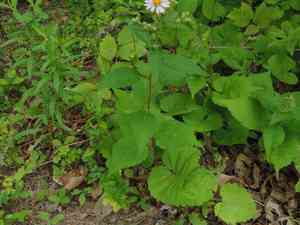
This enduring plant, featuring expansive heart-shaped foliage, flourishes in dappled light and needs only slight trimming to sustain its vitality and visual charm. The ideal times for pruning large-leaved aster are during spring and summer, following its blooming period, to foster a denser form, or to eliminate faded blossoms and damaged leaves. Pruning should entail judiciously shortening elongated stems and removing spent flowers to stimulate fresh development. Consistent trimming improves air movement and lowers the likelihood of disease, thereby extending the plant's lifespan and enhancing its flower yield.
Benefits of Trimming Large-leaved Aster
Benefits of Trimming Large-leaved Aster
Trimming large-leaved aster promotes robust development and maintains its form. Eliminating old or overgrown stalks enhances air circulation, lowering disease risk and stimulating fresh, healthy growth.
Optimal Time for Trimming Large-leaved Aster
Optimal Time for Trimming Large-leaved Aster
Trimming large-leaved aster from late spring to early summer aligns with its post-flowering period, allowing removal of spent blooms and preserving plant vitality. This timing avoids disrupting large-leaved aster's early spring flowering and ensures energy is directed to new growth and root development. Avoiding fall or winter trimming minimizes frost and disease damage.
Tools Required for Trimming Large-leaved Aster
Hand Pruners
Perfect for cutting stems up to 3/4 inch thick, large-leaved aster's individual stems or small branches can be neatly severed with these. Ensure they are of bypass type for a clean cut that promotes good healing.
Pruning Shears
For comfortable use on large-leaved aster's stems when trimming spent flowers or shaping the plant. The shears offer precision for making selective cuts without harming nearby stems.
Gardening Gloves
Protects hands from thorns and potential skin irritants during large-leaved aster trimming.
Loppers
If large-leaved aster has thicker stems or branches exceeding 3/4 inch in diameter, loppers provide the extra leverage needed to make clean cuts without hand strain.
Pruning Saw
Should large-leaved aster develop woody stems too thick for hand pruners or loppers, a pruning saw can be utilized for these infrequent, tougher cuts.
How to Trim Large-leaved Aster
Remove yellow leaves
Identify and remove any yellow leaves found on large-leaved aster to maintain plant health and appearance. Pinch these leaves off at the base of their stems, or use clean, sharp scissors to cut them where they join a main stem.
Deadhead wilted flowers
Deadhead the wilted flowers to encourage further blooming and prevent large-leaved aster from expending energy on seed production. Snip the stem just below the wilted flower head using secateurs.
Trim overgrown stems
To manage overgrown stems and shape large-leaved aster, cut back the stems selectively. Make your cuts just above a healthy leaf node or a set of leaves, encouraging fuller growth and maintaining an aesthetically pleasing shape.
Clean cutting tools
After trimming, clean your cutting tools with a disinfectant to prevent the spread of disease between plants. This step is essential for maintaining the health of large-leaved aster.
Dispose of debris
Properly dispose of all trimmed debris such as yellow leaves, dead flowers, and snipped stems. Compost if possible, ensuring that no disease or pests are present that could harm large-leaved aster or the garden ecosystem.
Common Trimming Errors with Large-leaved Aster
Over-trimming
Attempting to excessively shape large-leaved aster by removing too much foliage can stress the plant and impede its natural growth habit. Itâs crucial not to cut back more than one-third of the plant at a time.
Incorrect cuts
Making cuts that are too blunt or at the wrong angle can harm large-leaved aster, leading to disease entry points and poor regrowth. Cuts should be clean and made at a 45-degree angle just above leaf nodes or buds.
Trimming live and healthy foliage
Removing live, healthy foliage unnecessarily can limit large-leaved aster's ability to photosynthesize and thrive. Focus on dead or diseased material unless thinning for size or shape.
Ignoring diseased material
Failing to remove diseased stems and leaves during trimming can cause the illness to spread in large-leaved aster. Itâs important to spot signs of disease and remove affected parts promptly.
General Trimming Advice for Large-leaved Aster
Clean tools
Ensure that trimming tools are clean and sharp before starting. This will help prevent the transmission of diseases between plants and make cleaner, healthier cuts on large-leaved aster.
Focus on dead/damaged stems
Regularly remove dead, damaged, or diseased stems to encourage healthy growth and flowering in large-leaved aster. This cleanup will also improve air circulation and light penetration.
Consider plant architecture
Trim with the natural shape of large-leaved aster in mind, which will maintain the plantâs aesthetic and promote vigorous growth. Avoid arbitrary cuts which can lead to an unnatural appearance.
Identify buds
Understanding where the new buds are on large-leaved aster is essential when trimming. Cutting immediately above outward-facing buds will guide the new growth outward rather than inward.



