How to Propagate Large-leaved aster?
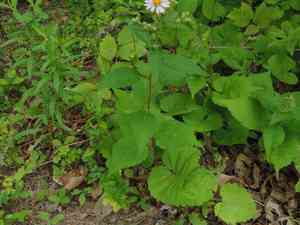
The most efficient method for propagating large-leaved aster is via separation, preferably in the spring or fall. Although propagation is quite straightforward, its success is evident in the emergence of new shoots and robust root formation. No further advice regarding propagation is necessary for this particular plant.
What Is the Best Time To Propagate Large-leaved Aster?
Propagation Type
Separation
Propagation Season
Spring, Fall
What Tools Are Used in Large-leaved Aster Propagation?
Gardening Gloves
Gloves safeguard hands from dirt, moisture, and potential irritants during the splitting process. They ensure safer handling of large-leaved aster's roots and minimize skin damage from sap or rough root textures.
Sharp Spade or Garden Fork
Utilized to excavate the large-leaved aster clump from the ground. A sharp spade or garden fork easily penetrates the soil and aids in lifting the plant with minimal root disturbance, allowing for a cleaner separation.
Hori-Hori Knife or Pruning Shears
These are employed for cutting through the root ball or tough stems of large-leaved aster. The Hori-Hori knife offers precision for clean cuts, while pruning shears can snip through thicker stems without fraying or damaging them.
Watering Can with a Fine Rose
Following division, large-leaved aster requires gentle irrigation to help establish the new sections. The fine rose attachment on a watering can ensures a soft, rain-like flow that doesn't disrupt the soil or newly planted divisions.
Rooting Hormone (optional)
Applying rooting hormone to the cut areas of the large-leaved aster root system can encourage faster root development. This is most beneficial for divisions that appear less vigorous and need extra support to establish a robust root system.
Plant Labels and Pen
Labeling each newly divided large-leaved aster plant assists in tracking its progress. Labels prevent confusion about plant identities and help monitor the success of each division, especially when propagating multiple plants simultaneously.
How to Propagate Large-leaved Aster?
Propagation Type
Division
Difficulty Level
Simple
How to Care for Your Newly Propagated Large-leaved Aster?
How to Care for Your Newly Propagated Large-leaved Aster?
After propagation by division, large-leaved aster will benefit from consistent watering, particularly during their initial growing season to aid establishment. Avoid excessive watering, which can lead to root rot. Provide large-leaved aster with a location that mimics its natural woodland environment, such as partial shade and soil rich in organic matter and well-draining. Fertilization is generally not needed if planted in fertile soil. Finally, each autumn, trim back the dead foliage to help prevent disease and maintain a tidy planting area.
Common Mistakes to Avoid When Propagating Large-leaved Aster
Overwatering
Excessive irrigation can cause root rot in large-leaved aster, as their roots need a balance of moisture and air. Overwatered large-leaved aster often develop soft, discolored stems or leaves, which can hinder growth or even cause death.
Poor cutting selection
Using weak or diseased stems for propagation can lead to inadequate root development and low survival rates. Healthy cuttings are vital for the successful establishment of large-leaved aster.
Overcrowding
Planting large-leaved aster cuttings too close together can restrict their access to sufficient light and air circulation, increasing the risk of fungal diseases and reducing overall plant vigor.
Ignoring soil composition
Using an unsuitable soil mix can negatively impact large-leaved aster's root development. Large-leaved aster requires well-draining soil to thrive, and a poor choice can result in waterlogged conditions detrimental to the plant.
Neglecting humidity levels
While attempting to root large-leaved aster, maintaining appropriate humidity levels is crucial. Too low humidity can cause desiccation, while excessively high humidity may encourage fungal growth.
Tips For Propagating Large-leaved Aster
Use healthy parent plants
Selecting robust, disease-free parent plants for cuttings ensures stronger propagation material, leading to better rooting and growth of large-leaved aster.
Regulate watering
Provide large-leaved aster cuttings with consistent moisture, but allow the soil to dry slightly between watering to encourage healthy root growth and prevent rot.
Provide adequate space
Space large-leaved aster cuttings adequately to ensure they receive ample light and air circulation, essential for minimizing disease risk and promoting strong growth.
Soil composition
Use a well-draining soil mix rich in organic matter for large-leaved aster, as it will support root aeration and moisture retention without waterlogging.
Humidity control
Keep the humidity levels around large-leaved aster cuttings optimal by using a humidity dome or misting them regularly, which will help prevent the cuttings from drying out and support root development.



