The Large-leaved aster Plant Advantage: Maximizing Home and Office Appeal and Wellness
1
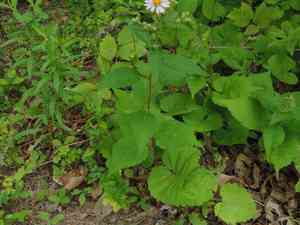
The large-leaved aster is recognized for its abundant, sizable foliage, which brings a verdant charm to any outdoor space.
2
This enduring plant flourishes across various soil types, positioning it as a superb option for those who garden.
3
Large-leaved aster draws in beneficial insects such as bees and butterflies, fostering a thriving natural environment.
What Makes Large-leaved aster Stand Out?
Visual Charm
Large-leaved aster is prized for its abundant, striking foliage that can enhance any garden area. Its expansive, broad leaves form a lush backdrop, boosting the aesthetic appeal of garden beds and borders. Whether used as a central feature or part of a larger plant arrangement, Large-leaved aster adds a distinct allure that is hard to overlook.
Effortless Care
A key attribute of Large-leaved aster is its hardiness and minimal upkeep needs. This plant can thrive in diverse soil types, from sandy to clay-rich, and flourishes in both sunny and shaded spots. Its robust nature means it requires little attention once established, making it perfect for new gardeners or those seeking to lessen garden maintenance.
How Does Large-leaved aster Benefit the Local Environment?
Attracting Pollinators
Pollinators like bees and butterflies are drawn to Large-leaved aster due to its vibrant blooms. These crucial insects support the health of your garden ecosystem by assisting in the pollination of various plants. By incorporating Large-leaved aster into your garden, you not only invite beautiful pollinators but also contribute to ecological balance.
Supporting Wildlife
Beyond pollinators, Large-leaved aster offers refuge and sustenance for diverse wildlife. Its dense foliage provides a protective habitat for insects and small creatures, while its seeds and leaves offer nourishment. This positions Large-leaved aster as a vital component of a garden aiming to foster biodiversity.
Why Is Large-leaved aster Important for Soil Health?
Erosion Prevention
Large-leaved aster possesses a strong root system that aids in stabilizing the soil. This makes it an excellent plant for areas susceptible to erosion. Its roots bind the soil, reducing the likelihood of soil runoff during heavy rainfall and preserving your garden soil's integrity.
Enhancing Soil Quality
As Large-leaved aster grows, it contributes organic matter to the soil through fallen leaves and decaying plant material. This helps enrich the soil with vital nutrients, fostering healthier plant growth overall. Gardeners will find that the presence of Large-leaved aster can significantly improve soil quality over time.
How Can Large-leaved aster Be Utilized in Landscaping?
Creating Focal Points
The size and texture of Large-leaved aster's leaves make it an ideal plant for establishing focal points in garden design. Whether you aim to highlight a specific area or create a striking centerpiece, Large-leaved aster provides both the visual impact and adaptability required for effective landscape design.
Complementing Other Plants
Large-leaved aster pairs well with various other plants, from flowering perennials to shrubs. Its lush foliage offers a beautiful contrast to the more delicate textures and colors of flowers. This makes it a valuable plant for mixed borders and layered garden designs, adding depth and interest to the landscape.



