How to Transplant Swamp mahogany?
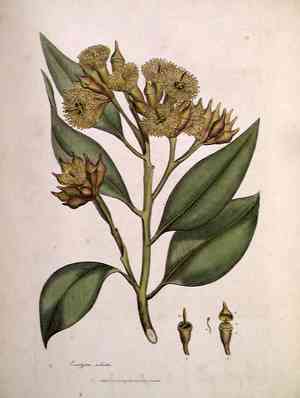
The ideal period for relocating swamp mahogany is amidst the radiant warmth of mid-summer, as it flourishes during the hottest part of the year. Provide a site with good drainage and ample sunlight for peak development. If needed, supply additional attention to aid in the rapid establishment of its root system. Enjoy your transplanting!
What Preparations are Needed Before Transplanting Swamp Mahogany?
What is the Ideal Time for Transplanting Swamp Mahogany?
transplant_time: Moving swamp mahogany from early summer until its conclusion offers the most suitable period. This timeframe promotes root establishment prior to winter, enhancing the plant's resilience. By selecting the warmth of summer months for your swamp mahogany relocation, you encourage faster development and ensure a healthy recovery. Consider it this way â transplanting swamp mahogany in summer is like providing them a well-timed holiday, preparing them for a productive growing season. Remember, a robust and healthy swamp mahogany not only boosts aesthetic appeal but guarantees proper growth following transplantation.\
How Much Space Should You Leave Between Swamp Mahogany Plants?
For transplanting swamp mahogany, it's best to allow approximately 10-20 feet (3-6 meters) of space between each plant. This ensures ample room for growth and proper air circulation.
What is the Best Soil Mix for Swamp Mahogany Transplanting?
Prepare a well-draining soil with a rich organic base for swamp mahogany. Incorporate a slow-release fertilizer to supply essential nutrients and encourage healthy development.
Where Should You Relocate Your Swamp Mahogany?
Select a site that receives full sun to partial shade for swamp mahogany. It requires 6-8 hours of daily sunlight for optimal growth and overall health.
What Equipments Should You Prepare Before Transplantation Swamp Mahogany?
Gardening Gloves
To safeguard your hands while handling soil and swamp mahogany.
Shovel or Spade
Required to excavate the hole where the swamp mahogany will be moved, and to carefully extract it from its original spot while keeping the root ball intact.
Trowel
A smaller implement useful for digging precise holes or trenches, particularly helpful when dealing with younger swamp mahogany taken from seedling trays.
Garden Hose with Sprayer
For irrigating the swamp mahogany after it has been transplanted, and for maintaining soil moisture.
How Do You Remove Swamp Mahogany from the Soil?
How Do You Remove Swamp Mahogany from the Soil?
From Ground: Start by watering the swamp mahogany to moisten the surrounding soil, which will facilitate extraction. Then, using your shovel or spade, carefully dig a wide circle around the plant. Work the spade beneath the root ball slowly, ensuring to preserve as many roots as possible. Once loosened, gently lift the plant from its initial position.From Pot: Pour water into the pot until it drains from the bottom. This will help the swamp mahogany slide out easily. Next, gently tilt the pot on its side and, while supporting the plant, tap the sides of the pot to ease the swamp mahogany out without harming the roots.From Seedling Tray: Water the entire tray thoroughly, then, using your trowel or your hands (wearing gloves), carefully lift the swamp mahogany from its cell, making sure to hold it only by the root ball and avoiding damage to the stem or foliage.
Step-by-Step Guide for Transplanting Swamp Mahogany
Prepare the New Location
Using your shovel or spade, dig a hole that is twice as wide and deep as the root ball of swamp mahogany.
Plant
Position the swamp mahogany in the hole, ensuring the root ball is level with or slightly above the surrounding soil to prevent water from accumulating around the stem.
Backfill
Refill the hole with soil, gently tamping down around the base of swamp mahogany to ensure it is well-anchored and to eliminate air pockets.
Water
Once the swamp mahogany is securely in place, gently water until the surrounding soil is moist, but not saturated.
How Do You Care For Swamp Mahogany After Transplanting?
Regular Check-ups
Monitor the swamp mahogany's growth and overall health daily. Look for indications of stress, such as browning leaves or wilted stems. If you observe any issues, consult with a local nursery or horticultural specialist.
Disease Prevention
Pay close attention to any signs of disease or pests. Applying a horticultural oil or neem oil can deter many potential problems. Always adhere to the product instructions.
Pruning
If any of the swamp mahogany's branches sustain damage during the transplant, prune them back to help direct the plant's energy towards root establishment.
Troubleshooting Common Issues with Swamp Mahogany Transplantation.
What's the optimal season to transplant swamp mahogany?
The ideal period to transplant swamp mahogany is from the beginning of summer until its end. This allows the plant ample time to establish itself before colder weather arrives.
How much space should I leave between swamp mahogany plants?
Space your swamp mahogany plants approximately 10-20 feet (3-6 meters) apart. This permits optimal growth and prevents overcrowding.
Why is my transplanted swamp mahogany wilting?
Wilting can result from insufficient watering after transplant. Ensure you maintain a consistent watering schedule while the plant acclimates to its new location.
Should I prune swamp mahogany before transplanting?
Pruning before transplanting is not essential for swamp mahogany. However, removing any dead or diseased wood can enhance its chances of successful transplantation.
How should I prepare the soil for transplanting swamp mahogany?
Ensure the soil is well-drained and enriched with organic matter. Richer soil promotes faster root development and plant growth.
How deep should I plant swamp mahogany?
Plant swamp mahogany at the same depth it was growing in its previous location. Planting too deep can lead to root disease, while too shallow may cause instability.
What to do if the leaves of my newly transplanted swamp mahogany turn yellow?
Yellowing leaves might indicate a nutrient deficiency or water stress. Review your watering schedule, and consider using a slow-release fertilizer.
How often do I need to water my transplanted swamp mahogany?
Water thoroughly immediately after transplanting, then regularly, about once a week, depending on rainfall. Do not allow the soil to completely dry out.
Why are the leaves on my swamp mahogany browning after transplant?
Browning leaves can signal a problem with water supply, either too much or too little. Check the soil's moisture levels and adjust your watering regimen accordingly.
Is the transplantation spot sunny enough for swamp mahogany?
Swamp mahogany requires a generous amount of sunlight to thrive, ideally full exposure. However, it can also tolerate partially shady spots after transplant.



