Enhancing Your Garden Design with the Swamp mahogany Plant: A Landscaping Guide
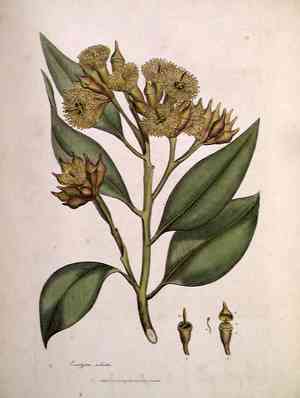
1
Swamp mahogany offers continuous foliage and superb shade for landscape aesthetics.
2
Adding Swamp mahogany to your outdoor space can benefit native fauna and ecological variety.
3
Consistent upkeep and periodic attention are vital for maintaining Swamp mahogany's health and vigor.
Introducing Swamp Mahogany in Outdoor Design
Overview of Swamp mahogany traits and its appeal in landscaping
Swamp mahogany is a adaptable and resilient species recognized for its impressive stature, abundant leaves, and capacity to flourish in diverse ground conditions. Its robust character and resistance to both aridity and waterlogging make it a dependable option for varied environmental settings. The tree is also notable for its dark, coarse bark and broad foliage that offers ample shade, making it perfect for establishing natural seating areas or shielding other plants in gardens. Landscape designers often favor Swamp mahogany due to its minimal upkeep needs and its ability to adapt to various outdoor schemes, enhancing both the beauty and utility of exterior spaces.
The visual impact of Swamp mahogany on contemporary landscape designs
Swamp mahogany creates a striking visual impression in any landscape plan with its towering height and dense crown. Its deep green leaves offer a beautiful contrast against lighter foliage, adding depth and texture to garden color palettes. This tree can also serve as an impressive backdrop for flower beds and other ornamental plants, creating a multi-dimensional look in both structured and free-form garden environments. Furthermore, the vertical lines formed by its trunk and branches draw the eye upward, contributing to a sense of elevation and grandeur in landscape layouts.
Swamp Mahogany's Role in Environmentally Friendly Landscaping
Understanding how Swamp mahogany contributes to sustainable landscaping practices
Swamp mahogany plays a vital role in eco-conscious landscaping by functioning as a natural air purifier and reducing carbon dioxide levels. Its extensive root system helps prevent soil erosion, making it a valuable addition to sustainability-focused gardens. Moreover, Swamp mahogany is known for its resistance to pests and diseases, lessening the need for chemical treatments and promoting a more natural, ecological approach to garden care. By incorporating Swamp mahogany into your landscape, you contribute to a greener environment and sustainable gardening practices.
Benefits of Swamp mahogany in fostering biodiversity and supporting local wildlife
Swamp mahogany supports local biodiversity by providing habitat and sustenance for various bird species, insects, and other wildlife. The tree's blossoms attract nectar-feeding birds and insects, while its bark and leaves offer shelter and nesting sites. This promotes a flourishing ecosystem within your garden, enhancing the overall health and vitality of your outdoor space. Additionally, the presence of Swamp mahogany can help encourage a balanced environment, where natural pest control methods reduce the need for artificial interventions.
Integrating Swamp Mahogany into Various Landscape Styles
Optimal methods for incorporating Swamp mahogany into formal and informal gardens
Integrating Swamp mahogany into your garden involves considering the tree's mature size and growth habits. In formal gardens, it can be used as a focal point or planted in rows to create a natural fence or boundary. Its structural presence brings order and symmetry, which is essential for achieving a formal garden look. In informal gardens, Swamp mahogany can be combined with shrubs and perennials to create a natural, flowing appearance that mimics a wild, untamed forest. Ensuring proper spacing and regular pruning helps maintain its shape and prevent overcrowding in any garden style.
Case studies: Successful landscapes featuring Swamp mahogany
Several successful landscape designs have effectively incorporated Swamp mahogany, showcasing its versatility. For instance, in a coastal garden, Swamp mahogany was used to create windbreaks and provide shade over sitting areas, complementing the beach-style theme. In an urban courtyard, the tree served as a central element around which a minimalist garden was designed, proving its adaptability in various environments. These examples highlight how Swamp mahogany can be tailored to suit different aesthetic preferences and functional requirements.
Seasonal Considerations for Swamp Mahogany
How Swamp mahogany adapts through different seasons
Swamp mahogany demonstrates remarkable seasonal adaptability, making it a resilient choice for fluctuating climates. During the spring and summer months, the tree exhibits vigorous growth and lush foliage, providing ample shade and enhancing the landscape's visual appeal. In autumn, its leaves may develop a slight tonal shift, adding seasonal color variation to your garden. During winter, Swamp mahogany remains evergreen, ensuring year-round greenery and structure in your landscape. Understanding these seasonal patterns can help you plan and maintain your garden effectively throughout the year.
Maintenance tips for Swamp mahogany throughout the year
Regular maintenance is key to keeping Swamp mahogany healthy and thriving. In spring, focus on pruning dead or damaged branches to promote new growth. Summer care includes ensuring adequate watering, especially during dry spells, and mulching to retain soil moisture. Autumn is a good time to check for pests and diseases, as well as to provide additional nutrients through fertilization. Winter maintenance involves protecting the tree from severe frost and inspecting for any potential damage caused by harsh weather. Following these seasonal care tips ensures that Swamp mahogany remains a robust and beautiful component of your landscape.
Designing with Swamp Mahogany: Aesthetic and Practical Insights
How to use Swamp mahogany to enhance landscape aesthetics
Swamp mahogany can be used strategically to elevate the visual appeal of your landscape. Planting it in strategic locations can create focal points, frame views, or provide natural screens for privacy. Its lush canopy and textured bark add depth and dimension to garden designs, complementing a variety of plant combinations. Pairing Swamp mahogany with flowering plants or using it as a backdrop for garden features like benches and pathways can enhance the overall aesthetic and create a cohesive, visually pleasing environment.
Practical considerations when planting Swamp mahogany
When planting Swamp mahogany, it is important to consider the tree's mature size and site requirements. Choose a location with adequate sunlight and enough space for the tree to grow without interfering with structures or utilities. Prepare the planting site by ensuring good soil drainage and amending the soil if necessary. Regular watering during the establishment phase is crucial, and mulching can help retain moisture and suppress weeds. Long-term care involves regular pruning and monitoring for pests and diseases. Taking these practical steps ensures the successful growth and health of Swamp mahogany in your landscape.



