How to Prune Swamp mahogany?
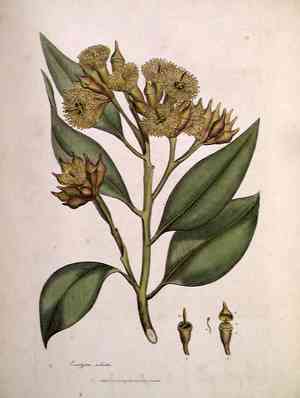
The swamp mahogany, an indigenous Australian evergreen recognized for its towering height and elongated, pointed foliage, flourishes in moist environments. Deliberate trimming encourages robust development and preserves its form. Eliminate any lifeless or infected limbs, thin the canopy to enhance light access and air circulation, and sculpt juvenile trees early to prevent the need for extensive cuts subsequently. Perform pruning during its dormant winter phase, which reduces strain and the likelihood of disease. This practice also amplifies flower yield, crucial for its ecological function as a nectar provider for local fauna.
Advantages of Trimming Swamp Mahogany
Advantages of Trimming Swamp Mahogany
Trimming swamp mahogany promotes robust development, maintaining a compact and attractive form while fostering strong health and preventing excessive growth that could lead to damage or illness.
Optimal Time for Trimming Swamp Mahogany
Optimal Time for Trimming Swamp Mahogany
Winter is considered ideal for trimming swamp mahogany as the plant is typically dormant, which lessens stress and minimizes the risk of disease entering through cuts. Additionally, the absence of leaves during this period allows for a clearer view of the plant's structure, enabling more precise and effective trimming. Furthermore, trimming before the spring growth surge supports vigorous new growth and the plant's overall well-being.
Tools Required for Trimming Swamp Mahogany
Bypass Pruners
Perfect for smaller branches up to 1/2 inch in diameter, bypass pruners deliver clean cuts essential for the health of swamp mahogany.
Loppers
Featuring long handles, loppers are suitable for cutting branches between 1/2 inch and 2 inches in diameter. They provide leverage and reach for swamp mahogany's higher branches.
Pruning Saws
For swamp mahogany's branches exceeding 2 inches in diameter, pruning saws offer the necessary strength and control for thicker growth.
Pole Saws
Extendable pole saws allow access to elevated branches without ladders, enhancing safety and reach when trimming swamp mahogany.
Hedge Shears
For shaping and trimming the foliage of swamp mahogany, hedge shears offer efficiency and uniformity, especially on younger trees.
Chainsaw
Professionals might need chainsaws for significant cuts or removing large branches from mature swamp mahogany, ensuring swift and effective removal.
How to Trim Swamp Mahogany
Step1: Evaluate Plant Health and Trimming Requirements
Assess swamp mahogany's overall condition and identify areas needing trimming, such as dead wood, diseased limbs, and overgrown foliage. Conduct this evaluation in late winter to early spring when the tree's natural dormancy aids recovery.
Step2: Sanitize Trimming Tools
Sanitize your trimming tools with a solution of 1 part bleach to 9 parts water to prevent disease transmission.
Step3: Remove Dead Wood
Begin by removing any dead wood. Make cuts on dead branches just above the branch collar, the swollen area of bark where the branch meets the trunk or a larger branch.
Step4: Cut Away Diseased Limbs
Identify and remove diseased limbs. Cut at least several inches into healthy wood beyond the affected area to prevent disease spread. Avoid cutting into the branch collar to promote proper healing.
Step5: Thin Overgrown Foliage
Trim overgrown foliage to enhance air circulation and light penetration. Thin out the canopy by removing some inner branches. Ensure not to remove more than one-quarter of the foliage in a single season.
Step6: Maintain Natural Plant Shape
When shaping swamp mahogany, preserve its natural form. Avoid topping or stubbing, which can harm swamp mahogany and encourage weak, disorderly growth.
Step7: Use Three-Cut Method for Large Branches
For larger branches, employ the three-cut method to prevent bark tearing: first, make a notch on the underside of the branch a few inches from the trunk. Second, make an overhand cut a few inches further out on the branch, allowing it to fall cleanly. Lastly, make a final cut just above the branch collar to remove any stub.
Step8: Clear Debris Post-Trimming
After trimming, clear all debris from around the base of swamp mahogany to prevent disease and pests.
Step9: Avoid Wound Dressing
Do not apply wound dressing or paint to cuts, as swamp mahogany heals best naturally and such coverings can actually promote disease.
Step10: Water Plant Post-Trimming
Water swamp mahogany thoroughly after trimming to help alleviate stress and facilitate recovery, especially if a significant amount of growth was removed.
Step11: Monitor Plant for Disease and Pests
Monitor swamp mahogany after trimming for signs of disease or pests and take appropriate actions as needed.
After-Trimming Care for Swamp Mahogany
After-Trimming Care for Swamp Mahogany
Immediately after trimming swamp mahogany, clean cuts with a diluted solution to prevent infection. Manage exposure to ensure moderate light; avoid extreme temperatures. Adjust watering to maintain slightly increased humidity for healing. Post-trimming, apply a balanced fertilizer to support growth. Monitor swamp mahogany for wilt, discoloration, or pests as stress indicators. If symptoms arise, consult a professional for potential disease management.
Common Trimming Errors with Swamp Mahogany
Excessive Trimming and Disregarding Plant's Natural Form
Ignoring the natural shape of swamp mahogany, leading to over-trimming and potentially reducing the tree's vitality.
Incorrect Cutting Leading to Reduced New Growth
Cutting into old wood where new growth is less likely to occur, potentially hindering the rejuvenation of swamp mahogany.
Jagged Cuts Exposing Plant to Disease and Pests
Making imprecise or jagged cuts that can expose swamp mahogany to diseases and pests.
Excessive Foliage Removal Stressing Plant
Removing too much foliage at once which can stress swamp mahogany, making it more susceptible to environmental stressors.
Spreading Diseases with Unsanitized Tools
Neglecting to disinfect trimming tools, increasing the risk of spreading diseases to swamp mahogany.
General Trimming Advice for Swamp Mahogany
Use Sharp Tools for Clean Cuts and Quick Healing
Use sharp, clean trimming tools to make accurate cuts that will heal quickly, reducing the chance of disease entry in swamp mahogany.
Preserve Shape with Central Leader Trimming Technique
Trim to maintain a central leader, removing only the lateral branches that are crossing, rubbing, or growing inward to preserve the natural form of swamp mahogany.
Encourage Bushiness by Trimming Young Soft Growth
Target young, soft growth when shaping swamp mahogany, as this will encourage a more bushy habit and prevent the need for severe cuts into old wood later on.
Thin Canopy for Better Airflow and Stronger Growth
Thin out the canopy of swamp mahogany if necessary to allow for increased air circulation and sunlight penetration, which can help to reduce disease and promote stronger growth.
Adhere to 'One-Third' Trimming Rule to Prevent Stress
Follow the 'one-third' rule, avoiding the removal of more than one-third of the canopy in a single trimming session to prevent excessive stress on swamp mahogany.



