The Swamp mahogany Plant Advantage: Maximizing Home and Office Appeal and Wellness
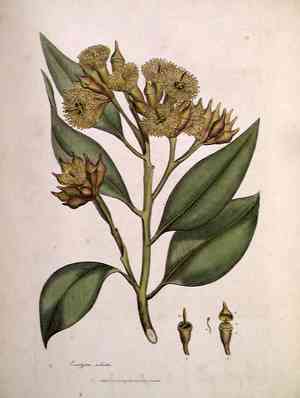
1
Swamp mahogany excels at taking in contaminants and enhancing atmospheric purity.
2
The vital oils derived from Swamp mahogany find application in aromatherapy due to their invigorating and germ-killing qualities.
3
This flora flourishes in marshy areas, aiding in soil stabilization and erosion prevention.
What Makes Swamp mahogany Unique?
Flexible Growth Requirements
Swamp mahogany flourishes in diverse environments, from coastal zones to wetlands, making it a highly adaptable and robust plant. It can endure waterlogged ground, which is particularly beneficial for flood-prone areas. This adaptability allows Swamp mahogany to play a key role in stabilizing soil and preventing erosion in wetlands and coastal regions.
High Pollutant Resistance
Swamp mahogany possesses an impressive capacity to absorb contaminants from its surroundings. This characteristic makes it an excellent choice for enhancing air quality in urban settings. It can take in harmful substances like carbon dioxide and other airborne pollutants, thus acting as a natural purification system.
How Does Swamp mahogany Benefit Human Health?
Aromatherapy and Relaxation
The essential oils derived from Swamp mahogany are widely utilized in aromatherapy for their stimulating and antiseptic qualities. The oil's refreshing aroma can help alleviate tension and stress, fostering a sense of calm and well-being. Additionally, these oils are frequently employed in spas and wellness centers to create a soothing atmosphere.
Natural Anti-inflammatory Properties
Swamp mahogany is also recognized for its inherent anti-inflammatory attributes. Its leaves can be used to prepare decoctions or extracts that may assist in reducing inflammation. While these applications are more traditional, they underscore the intrinsic health advantages of this versatile plant.
What Environmental Benefits Does Swamp mahogany Offer?
Soil Stabilization and Erosion Prevention
One of the significant ecological contributions of Swamp mahogany is its capacity to stabilize soil and prevent erosion. This is especially valuable in wetland areas where soil erosion can be a major concern. By planting Swamp mahogany in such environments, the risk of soil loss is significantly reduced, thereby maintaining ecosystem health.
Habitat for Wildlife
Swamp mahogany provides a vital habitat for various wildlife species. Its dense foliage offers shelter and food sources for birds, insects, and other small creatures. By supporting biodiversity in its growing region, Swamp mahogany contributes to a balanced and healthy ecosystem.
How is Swamp mahogany Used in Landscaping and Urban Planning?
Enhancing Green Spaces
Due to its resilience and ability to thrive in diverse conditions, Swamp mahogany is often used in landscaping and urban planning. It can be planted in parks, along roadways, and in residential areas to improve green cover and enhance aesthetic appeal. Its robust nature ensures minimal maintenance once established.
Improving Air Quality in Urban Areas
Urban planners are increasingly recognizing the role of Swamp mahogany in improving air quality. By incorporating this plant into urban green spaces, cities can benefit from its natural air-purifying capabilities. This makes Swamp mahogany an essential component of sustainable urban development projects.



