How to Transplant Seaside buckwheat?
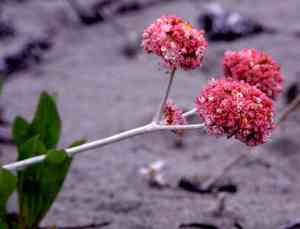
Relocating seaside buckwheat is most successful in mid-spring, a period of strong development. Choose locations that receive ample sunlight and have effective water runoff. To ensure optimal results, gradually introduce seaside buckwheat to its new surroundings, fostering vigorous establishment.
Essential Preparations Before Relocating Seaside Buckwheat?
Optimal Period for Moving Seaside Buckwheat?
The best time for relocating seaside buckwheat is during mid-spring, when the ground has warmed but the weather remains mild. Establishing seaside buckwheat in its new spot during this timeframe promotes robust root development before summer, ensuring its prosperity. Helpful hint: utilizing this window protects seaside buckwheat from summer stress, enhancing its vigor and increasing the likelihood of lush growth.
Required Spacing Between Seaside Buckwheat Plants?
When preparing to move your seaside buckwheat, remember they appreciate ample room to expand. Ideally, position them 1-2 feet (30-60 cm) apart. This provides sufficient area for growth without overcrowding.
Ideal Soil Mixture for Seaside Buckwheat Relocation?
For your seaside buckwheat, it's best to prepare a soil blend of sandy or well-draining earth with added organic material. A foundational fertilizer rich in phosphorus and potassium will aid the plant in quickly establishing its root system.
Where to Replant Your Seaside Buckwheat?
Select a site for your seaside buckwheat where it will receive abundant sunlight. Ideally, it should be exposed to direct sun for at least 6-8 hours daily. Remember, more sunlight is beneficial for this plant's health and development.
Necessary Tools for Seaside Buckwheat Transplantation?
Gardening Gloves
To shield your hands from dirt and prickly plants during transplantation.
Trowel
This tool will assist in digging the appropriate hole size for the seaside buckwheat plant.
Spade
For extracting the plant from its original location, especially if it's growing in the ground.
Pruning Shears
To remove any dead or diseased sections of the seaside buckwheat plant prior to relocation.
Watering Can
To gently hydrate your seaside buckwheat after planting.
Organic Mulch
This will help maintain soil moisture and suppress weed growth post-transplantation.
Pot (Optional)
If you are removing the plant from a container, you might need a new one to accommodate root expansion.
How to Extract Seaside Buckwheat from the Soil?
How to Extract Seaside Buckwheat from the Soil?
From Ground: Begin by watering the seaside buckwheat plant to help loosen the surrounding soil. Then, using a spade, carefully dig a wide circle around the plant to avoid damaging its roots. Gradually work the spade beneath the root ball and gently lift the plant from the soil. Handle the plant with care to prevent root injury.From Pot: If your seaside buckwheat plant is in a pot, watering before removal will help separate the roots from the pot's sides. Carefully invert the pot, gently shaking or tapping to dislodge the plant. If difficult, run a trowel along the inner edge of the pot to encourage the plant to slide out.From Seedling Tray: If the seaside buckwheat plant is in a seedling tray, first water the tray to moisten the soil. Carefully hold the base of the plant and gently ease each seedling out, ensuring minimal root disturbance.
Detailed Steps for Relocating Seaside Buckwheat
Plant Preparation
Examine your seaside buckwheat for any signs of disease or pests. Use pruning shears to remove damaged, diseased, or dead parts of the plant.
Digging the Hole
Use your trowel to dig a hole deep and wide enough to accommodate your seaside buckwheat's root system. The hole should be three times the width of the root ball and the same depth.
Planting
Place the seaside buckwheat into the hole. Ensure its uppermost roots are level with, or slightly below, the ground surface, then backfill the hole around the roots, gently firming the soil as you proceed.
Watering
Thoroughly water your seaside buckwheat. Water slowly, ensuring the water is absorbed rather than running off.
Mulching
Spread a layer of organic mulch around the base of the seaside buckwheat. This helps to reduce water evaporation and deter weeds.
Post-Transplantation Care for Seaside Buckwheat
Monitoring
Inspect the seaside buckwheat daily for indications of transplant shock such as wilting, yellowing, or dropped leaves. Also, watch for pest activity and address it as needed.
Watering
Water the seaside buckwheat regularly, according to its moisture requirements. Water deeply and less frequently to encourage the development of deep root systems. However, be sure to avoid overwatering as it can lead to root rot.
Pruning
Trim the seaside buckwheat as necessary to promote growth and maintain its form. Postpone pruning any major branches until the plant has fully recovered and begun new growth.
Feeding
After approximately four weeks, consider providing your seaside buckwheat with a general-purpose, slow-release fertilizer to ensure it receives essential nutrients.
Addressing Common Issues with Seaside Buckwheat Relocation.
What is the best season to move seaside buckwheat?
The optimal period for relocating seaside buckwheat is from late spring through summer (S2-S3). It is during this season that the plant exhibits the most resilience.
What's the ideal spacing when relocating seaside buckwheat?
For healthy growth, seaside buckwheat plants should be positioned approximately 1-2 feet (30-60 cm) apart. This spacing allows them to spread without becoming overcrowded.
How to prepare the soil for seaside buckwheat's relocation?
The soil should be well-draining and slightly acidic to neutral. Enhance your soil with organic matter to improve its fertility and structure.
Is it necessary to water seaside buckwheat immediately after relocating?
Yes, generously water seaside buckwheat immediately after relocation. This helps to settle the soil around the roots and lessens the shock of transplantation.
How deep should I plant seaside buckwheat during relocation?
The hole should be just deep enough to cover seaside buckwheat's root ball. Too deep can suffocate the plant, while not deep enough can cause the roots to dry out.
Can I relocate seaside buckwheat directly under the sun?
Seaside buckwheat thrives in full sunlight to partial shade. However, immediately after relocation, it's best to avoid intense direct sunlight to reduce the risk of transplant shock.
Should I trim seaside buckwheat when relocating?
Trimming is generally not required when relocating seaside buckwheat. However, removing any dead or weak parts can redirect energy towards stronger growth post-transplant.
Why are the leaves of my relocated seaside buckwheat turning yellow?
Yellow leaves can result from root damage during relocation or improper watering afterward. Check soil moisture and ensure it's neither too wet nor too dry.
Why is my newly relocated seaside buckwheat drooping?
Drooping after relocation could be a sign of transplant shock. Ensure you're not over-watering and that the plant is not exposed to intense direct sunlight.
Are there any special care tips for seaside buckwheat after relocation?
Beyond initial care, seaside buckwheat is relatively low maintenance. Just ensure it gets enough sunlight, water when the topsoil feels dry, and protect it from extreme weather.



